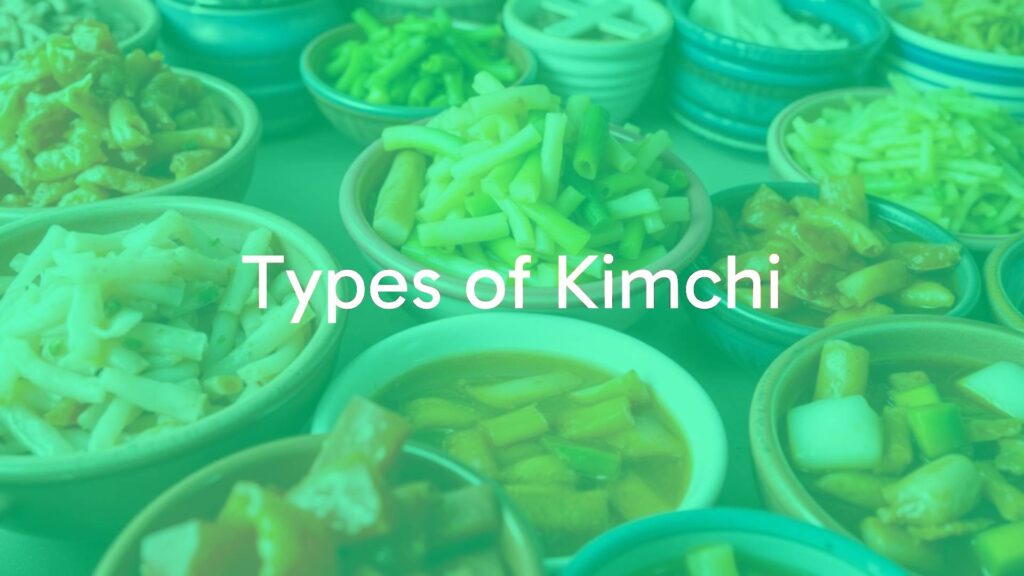
When people think of “kimchi,” they usually imagine the red, spicy, fermented napa cabbage that’s popular at Korean restaurants. And for good reason-this variety, known as baechu kimchi, is perhaps the best-known. But there are actually about 200 different kinds of kimchi, each with its own unique flavor, texture, and way of using it in meals. So, what exactly is kimchi, and why are there so many versions?
Kimchi is a classic Korean side dish, made by salting and fermenting vegetables. It has been part of Korean food culture for more than 4,000 years. Originally, the goal was to keep vegetables edible through winter before refrigerators were invented. Over time, kimchi-making grew into both a practical and cultural tradition. The many kimchi types reflect not just the creativity of Korean cuisine, but also the different crops grown across the country’s regions and seasons.
What Is Kimchi and Why Are There So Many Different Types?
Kimchi is basically a fermented dish. This process turns raw vegetables into something tangy, flavorful, and healthy. While most people associate kimchi with a spicy chili taste, many types are not spicy at all. Some contain no chili, and others are light and soupy, almost like a vegetable punch. What they all have in common is fermentation-this gives them a sour taste and is also the source of healthy probiotics.
The wide range of kimchi types is due to the many vegetables grown in Korea, local traditions, and what produce is available during different seasons. Traditionally, Koreans made special versions of kimchi during certain times of the year to use up fresh crops and prepare for cold weather. Even now, with fridges, Koreans often eat certain kimchis at specific times, keeping old customs alive.

What Makes Each Type of Kimchi Different?
The main things that set kimchi types apart are: the main vegetable, the combination of seasonings, and how the kimchi is fermented. Many recipes use a base of garlic, ginger, and green onion, but swapping out napa cabbage for radish, cucumber, perilla leaf, or other vegetables changes the flavor and feel. Whether cooks use chili powder (gochugaru), fish sauce, or little seafood bits-and how long and at what temperature they ferment everything-also plays a big part.
Some kimchis keep a crunchy texture, while others become soft. Some are meant to be eaten right away for a crisp, fresh taste; others are left to ferment for months, getting more sour and pronounced in flavor. All these options mean there is a type of kimchi for every taste and occasion.
Main Types of Kimchi
Out of the hundreds of kinds, a dozen or so are very popular and show how broad kimchi can be. Here are some well-loved examples:
| Kimchi Name | Main Ingredient | Key Features |
|---|---|---|
| Baechu Kimchi | Napa cabbage | Red, spicy, what most people think of as kimchi. |
| Baek Kimchi | Napa cabbage | White, mild, no chili; often contains fruits for a gentle, sweet flavor. |
| Kkakdugi | Korean radish | Chunky, crunchy cubes; served with soups. |
| Oi Sobagi | Cucumber | Stuffed, crunchy, spicy, eaten fresh. |
| Chonggak Kimchi | Ponytail radish with greens | Spicy, keeps its crunch after fermenting. |
| Nabak Kimchi | Radish & cabbage | Thin slices in a light, mild, slightly pink broth. |
| Dongchimi | Radish | Soupy, fizzy, served in winter, not spicy. |
| Yeolmu Kimchi | Young summer radish greens | Light, slightly bitter, perfect for summer. |
| Pa Kimchi | Green onion | Sharp, spicy, often served with grilled meats. |
| Gat Kimchi | Mustard leaf | Strong, tangy, with a mustard flavor. |
| Buchu Kimchi | Garlic chives | Onion-garlic flavor, easy and quick to make. |
| Kkaennip Kimchi | Perilla leaves | Aromatic, often used to wrap rice. |
| Bossam Kimchi | Cabbage (wrapping) | Filled with mixed ingredients; special occasion food. |
| Geotjeori | Napa cabbage | Fresh, not fermented, like a seasoned salad. |

Regional and Seasonal Varieties
Kimchi styles change based on where and when they’re made. Korea’s geography and weather have a big impact on what vegetables are used and the seasonings added.
Where You Live Matters
- North Korea: Kimchi recipes tend to be less salty, less spicy, and sometimes have a watery base. Seafood seasonings are not as common.
- South Korea: Kimchi is often saltier and hotter, with more use of chili powder and seafood seasonings like salted shrimp or anchovy. Different regions use specific ingredients based on what’s nearby (like raw seafood on the East coast).
Why the Season Counts
- Fall/Winter: Kimchi made in these seasons (such as baechu kimchi) is meant for long-term keeping, using hardy vegetables like cabbage and radish. It’s allowed to ferment slowly so it can last all winter.
- Spring/Summer: These kimchis are lighter, often made with leafy vegetables, and eaten fresh or after a short fermentation. Summer types (like oi sobagi and yeolmu kimchi) are especially cool and crisp for hot days.
What Ingredients Make Each Kimchi Unique?
Main Vegetables
While napa cabbage is the most popular, kimchi can be made with many vegetables:
- Korean radish (mu), ponytail radish, young summer radish
- Cucumber
- Green onion (jjokpa or silpa)
- Mustard leaf (gat)
- Garlic chives (buchu)
- Perilla leaves (kkaennip)
- More unusual choices: sweet potato stems, lotus root, burdock root
How these vegetables are cut (sliced, whole, cubed) changes the texture and feel of the finished kimchi.
Classic Seasonings
- Chili powder (gochugaru)
- Garlic, ginger, green onion
- Salt (for brining and taste)
- Seafood seasonings (jeotgal), like salted shrimp (saeujeot), salted anchovies (myeolchijeot), or fish sauce
- Sweeteners, including pear, apple, or sugar
Some types, like baek kimchi and dongchimi, skip chili powder for a milder taste. The combination of these add-ins defines the end result’s flavor and heat.
How Is Kimchi Made? What Changes by Type?
Making kimchi usually involves four steps: salting/brining, seasoning, fermenting, and storing. Some types need extra time for soaking or fermenting, while others (like quick kimchis) are finished in just a short time, ready to eat the same day.
How Fermentation Works
Kimchi ferments thanks to friendly bacteria that are already on the vegetables. First, the vegetables are soaked in salt water (which keeps bad germs away and allows good bacteria to flourish). The main bacteria make lactic acid-this gives kimchi its tangy flavor and allows it to keep for a long time.
Here’s a summary of the process:
- Brine vegetables in salt water
- Mix with seasoning paste
- Pack tightly in containers
- Let ferment at cool temperature (ideally around 10°C)

Fermentation speed and flavor depend on temperature and saltiness. The longer it sits, the more sour the kimchi will become, and the softer its texture.
Fresh vs. Aged Kimchi
- Fresh Kimchi: (like geotjeori or oi sobagi) is crispy and more like a salad. It’s eaten within a day or two and does not taste sour.
- Aged Kimchi: (like baechu kimchi left to mature) is sour and soft, with a deeper, more complex taste. Older kimchi is often cooked into stews or stir-fries to make the most of its flavor.
Which Kimchi Types Are Most Popular?
- Baechu Kimchi (Napa Cabbage): The most famous and commonly eaten. Its spicy, tangy, and versatile taste makes it a must-have at almost every Korean meal.
- Kkakdugi (Cubed Radish): Loved for its crunch, especially with soups.
- Oi Sobagi (Cucumber): Popular in summer for a cool, spicy crunch that’s great with grilled meats.
- Baek Kimchi (White): Mild, non-spicy, and suitable for people who can’t eat chili.
Kimchi Nutrition: Health Benefits
Probiotics for Digestion
All fermented kimchis contain probiotics, which are healthy bacteria that help your gut work well. These can improve digestion, help with vitamin creation in your body, and may even boost your immune system.
Vitamins and Antioxidants
Kimchi is loaded with nutrients from its vegetables:
- Vitamins A, B1, B2, and C
- Calcium and iron
- Antioxidants from garlic, ginger, chili, and vegetables, which help your body fight off damage from free radicals
Eating different kinds of kimchi gives you a range of nutrients and good bacteria, supporting overall health.
How Kimchi Is Used in Cooking
Dishes Featuring Kimchi
- Kimchi Jjigae (Stew): Uses aged baechu kimchi for its sour flavor.
- Kimchi Bokkeumbap (Fried Rice): Also best with well-fermented kimchi.
- Kkakdugi: Served with soups for its bite and crunch.
- Dongchimi: The brine is used as a soup or for noodles during winter.
- Geotjeori: Enjoyed as a fresh side, especially with barbecue.

Pairing Kimchi with Other Foods
- Baek Kimchi: Good with spicy dishes for a cool contrast.
- Pa Kimchi (Green Onion): Often paired with fatty meats like pork belly for its bold flavor.
- Kkaennip Kimchi (Perilla Leaf): Used to wrap rice for a tasty bite.
Kimchi is now also found in fusion foods like pizza, tacos, and even sandwiches.
Frequently Asked Questions About Kimchi Types
What Is the Difference Between Cabbage and Radish Kimchi?
The main difference is the vegetable used. Cabbage kimchi is softer and gets quite tangy and flexible after fermenting, while radish kimchi (like kkakdugi) stays crisp, juicy, and has a touch of sweetness.
Is There Vegan or Vegetarian Kimchi?
Many traditional kimchis use fish sauce or salted shrimp for flavor, but it’s easy to make vegan versions. Just leave out the animal-based seasonings and use more salt, soy sauce, or kelp powder. Baek kimchi (white kimchi) is naturally meat-free or can be made fully plant-based.
How Do Storage and Fermentation Change Kimchi?
Fermentation time, temperature, and storage have a big impact. Kimchi kept at room temperature ferments quickly and becomes sour and soft. In the fridge or special kimchi fridge, it ferments more slowly, tastes milder for longer, and keeps its crunch. The choice comes down to whether you want your kimchi fresh and crispy, or aged and strong-flavored.
Summary Table: Key Kimchi Types
| Name | Main Vegetable | Chili? | Best Time to Eat | Special Notes |
|---|---|---|---|---|
| Baechu Kimchi | Napa cabbage | Yes | Year-round | Most common, iconic flavor. |
| Baek Kimchi | Napa cabbage | No | Anytime | Good for kids and sensitive stomachs. |
| Kkakdugi | Radish | Yes | Autumn, Winter | Crunchy, pairs well with soup. |
| Oi Sobagi | Cucumber | Yes | Summer | Eaten fresh, not stored. |
| Dongchimi | Radish | No | Winter | Soupy, not spicy. |
Kimchi is much more than spicy cabbage. Thanks to various ingredients, recipes, and traditions, there is a kimchi for every season and taste preference-each with its own story and special touch at the dinner table.
