The Essence of Korean Ramen
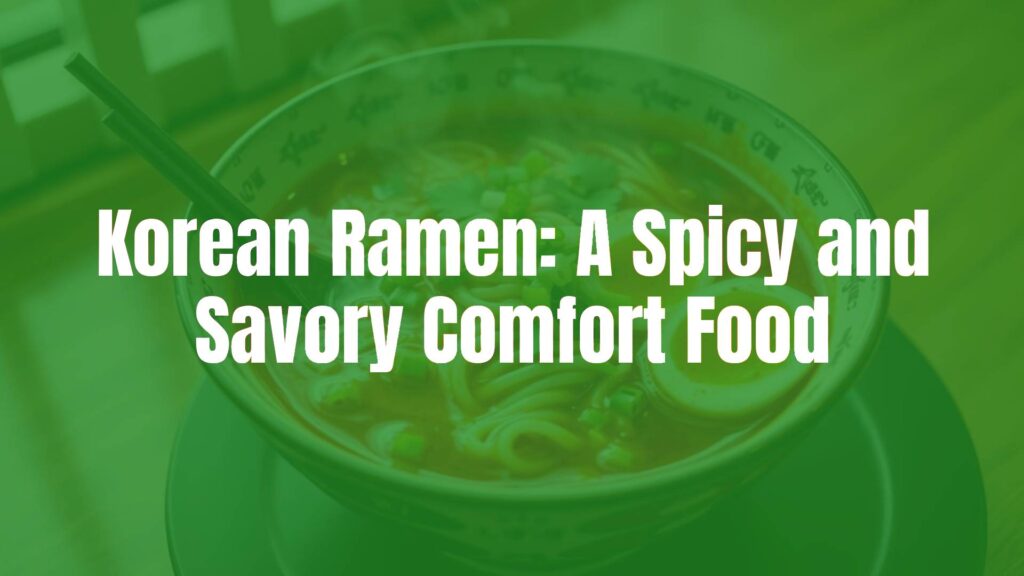
Korean ramen, often referred to as “ramyeon” (라면) in Korea, is a beloved instant noodle dish distinguished by its bold flavors, chewy noodles, and vibrant broth. While originating from Japanese influences, Korean ramen has developed a distinctly Korean character through its spiciness, savory undertones, and creative diversity.
A Brief History of Korean Ramen
Korean-style ramen first gained popularity in the 1960s, as instant noodles became widely available through brands like Samyang and Nongshim. Unlike traditional Japanese ramen, which is typically prepared fresh in specialized shops, Korean ramen is most often enjoyed as an instant noodle snack or meal. Over the decades, ramyeon has become a cultural staple, featured in homes, convenience stores, and even television dramas, often associated with comfort and convenience.
Key Ingredients and Flavor Profile
The classic Korean ramen experience is built around three core components: springy wheat-based noodles, a packet of seasoning (often intensely spicy and umami-rich), and dried vegetables or toppings. The soup base is typically made with chili pepper flakes, garlic, onion, soy sauce, and sometimes beef or chicken extract, resulting in a fiery, savory broth with a touch of sweetness. Unlike some other noodle soups, Korean ramen is prized for its punchy, warming kick and satisfyingly chewy texture.
Preparation and Typical Customization
Most Korean ramen is quick and straightforward to prepare—simply boiled in water and simmered with the included seasonings. What makes it unique is the Korean custom of personalizing each bowl. Some may crack an egg into the simmering soup for added creaminess, or toss in slices of cheese for extra richness. Others enhance their ramen with green onions, kimchi, mushrooms, or even slices of pork and vegetables, turning a simple snack into a hearty meal.
Regional Preferences and Cultural Significance
While instant ramen is enjoyed throughout Korea, certain flavors have regional followings. For instance, seafood-based varieties are popular along the coast, and some southern provinces enjoy particularly spicy blends. Ramen is frequently paired with a side of kimchi, reflecting the Korean love of fermented flavors. The dish often features in popular culture, associating with quick, satisfying dining and friendship.
Popular Variations and Ingredient Swaps
Korean ramen comes in numerous varieties to suit different palates. Spicy ramyeon, like Shin Ramyeon, is perhaps the most iconic, but milder varieties, vegetarian options, and even creamy cheese-infused versions are available. For those seeking alternatives to instant noodles, fresh or semi-dried wheat noodles can be substituted. Some creative cooks add rice cakes (tteok), dumplings (mandu), or seafood to their ramen for added substance.
Enjoying Korean Ramen: Serving Suggestions
Korean ramen is typically enjoyed piping hot, either straight from the pot or in a deep bowl. It pairs wonderfully with banchan (side dishes) like pickled radish, kimchi, or stir-fried vegetables. For beverages, light lagers or soju are popular accompaniments, as their crispness balances the spiciness of the soup. Whether eaten as a quick snack or upgraded to a filling meal, Korean ramen offers a flavorful, accessible taste of Korean food culture.
