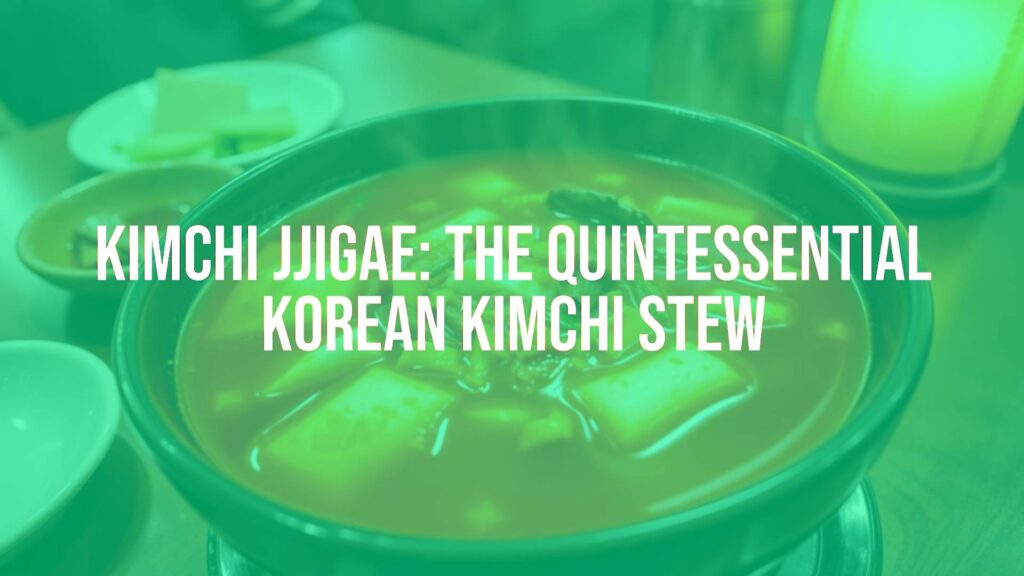
Introduction to Kimchi Jjigae
Kimchi jjigae is a staple in Korean home cooking, celebrated for its robust flavors and deeply comforting qualities. Directly translating to “kimchi stew,” this dish highlights the depth of Korea’s most famous fermented food, kimchi, by simmering it with an array of ingredients. Kimchi jjigae is cherished not only as an everyday meal but also as a symbol of Korean resilience and resourcefulness, making use of mature kimchi and readily available pantry items.
Defining Features and Flavor
This hearty stew is distinguished by its vibrant red color, generated by the fermentation juices of kimchi combined with gochugaru (Korean chili flakes) and other seasonings. The flavor profile is tangy, spicy, and savory, often enlivened by a gentle umami. Texturally, the dish ranges from brothy to thick, with soft, wilted kimchi, tender chunks of meat or tofu, and a medley of vegetables all completing the stew.
Historical Background and Cultural Importance
Kimchi jjigae likely emerged as a practical solution to make use of aged kimchi, whose intensified complexity pairs wonderfully with warming, hearty ingredients. It has become a comfort food found in homes and eateries across South Korea. The stew has evolved over generations, adapting to seasonal availability and reflecting Korea’s penchant for communal meals. Despite its humble origins, it is as popular at family restaurant tables as it is in student cafeterias and convenience stores.
Core Ingredients and Preparation
The soul of kimchi jjigae lies in well-fermented napa cabbage kimchi. To this, cooks commonly add pork belly—although beef, canned tuna, or even seafood can be substituted—as well as onion, garlic, and tofu. Gochugaru and gochujang (chili paste) are often included for depth and heat, while anchovy broth or water serves as the base. Seasonings like soy sauce, fish sauce, and sesame oil round out the flavor. While preparation techniques vary, most versions call for sautéing the kimchi with meat to enhance flavor before adding liquid and simmering until everything melds together.
Variations and Regional Styles
Kimchi jjigae is highly adaptable. Pork is the most traditional protein, yet some regions or households prefer beef, seafood, or even Spam to suit tastes or budgets. Tofu is a near-ubiquitous addition, but some recipes may feature mushrooms or zucchini. Soups in coastal areas might incorporate clams or oysters. Vegetarians can create delicious versions by omitting meat and using kelp or vegetable stock for depth. The stew’s consistency also varies from soupy to thick depending on personal preference or intended use.
Serving and Pairings
Kimchi jjigae is customarily served bubbling hot in a stone or earthenware pot, accompanied by bowls of steamed rice and an assortment of banchan (Korean side dishes). The stew is designed for communal enjoyment, with diners ladling hearty portions into their rice bowls. Popular drink pairings include soju or makgeolli, as their crispness complements the stew’s bold flavors. For a lighter meal, kimchi jjigae can be eaten on its own with a simple vegetable side or a soft-cooked egg added to temper the heat.
Conclusion
With its bold flavors, adaptability, and deep roots in Korean culinary tradition, kimchi jjigae remains an essential dish for those exploring the heart of Korean cuisine. Its warming, soulful character continues to offer both nourishment and comfort, making it a mainstay from everyday tables to special gatherings.
