Understanding Kimchi Bokkeumbap
Kimchi Bokkeumbap, or kimchi fried rice, stands as a beloved comfort food in Korean cuisine. Combining staple ingredients—rice and kimchi—this dish showcases the resourcefulness and bold flavors central to Korean home cooking. Its harmonious mix of tangy, spicy, and slightly smoky notes paired with a hearty texture has made it a staple in homes and eateries across South Korea.
Distinctive Qualities and Appeal
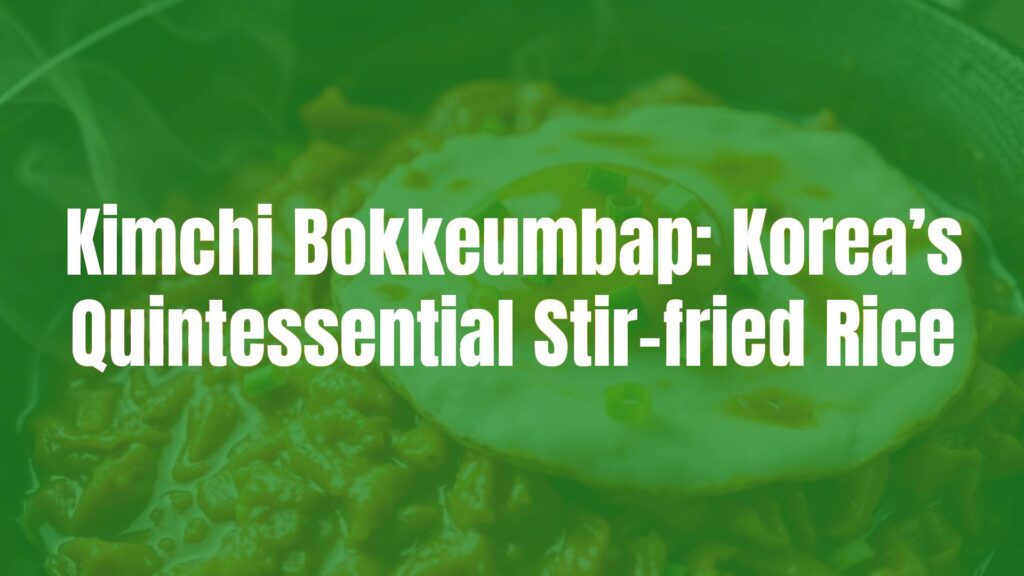
The allure of kimchi bokkeumbap lies in its balance of flavors and robust aroma. The sharp, fermented taste of well-aged kimchi melds with fluffy, separated grains of rice, often accented by savory additions like pork, beef, or canned tuna. Vibrant in color owing to kimchi and gochugaru (Korean chili flakes), the dish is typically garnished with sliced scallions and a sunny-side-up egg, adding richness and visual appeal.
Historical Background and Cultural Role
Kimchi bokkeumbap’s origins are rooted in Korean households aiming to repurpose leftover rice and kimchi. Its popularity surged in the second half of the twentieth century alongside the proliferation of kimchi as a national dish and rice as an affordable staple. Today, it epitomizes Korean bunsik (light meal) culture, enjoyed at home, in casual eateries, and school cafeterias.
Key Ingredients and Preparation Insights
The essential make-up of kimchi bokkeumbap includes steamed rice—preferably day-old for ideal texture—and fermented napa cabbage kimchi. The dish is stir-fried over high heat with aromatic elements such as garlic and onions, often alongside diced meats or tofu. A dash of gochugaru or gochujang (Korean chili paste) intensifies its characteristic spiciness. Sesame oil lends a nutty finish, while seaweed flakes or sesame seeds are popular toppings.
Common Variations and Ingredient Swaps
While the classic version uses pork belly for depth and richness, variations abound. Some opt for beef, luncheon meat, or seafood, while those seeking a lighter meal might include mushrooms or zucchini. Vegetarians can substitute tofu for meat and increase the medley of vegetables. In a pinch, scallion greens or even leeks can supplement or replace standard onions, and various hot sauces can replace gochujang for different heat profiles.
Serving Suggestions and Pairings
Kimchi bokkeumbap is often enjoyed with a runny fried egg on top, which enriches the spicy rice. Sides of danmuji (yellow pickled radish) or simple Korean soups, such as seaweed soup, provide balance and refreshment. For beverages, pairing with cold barley tea or a light lager accentuates the dish’s savory and spicy notes. In a larger meal, it can accompany grilled meats or be served as a satisfying main attraction.
A Culinary Canvas for Innovation
Few Korean dishes are as adaptable and deeply comforting as kimchi bokkeumbap. Celebrated for its simplicity and flexibility, it continues to evolve with new ingredients and techniques, reflecting the dynamism of Korean home cooking. Whatever the version, each bite is a vibrant testament to the enduring partnership of rice and kimchi in Korean food culture.
