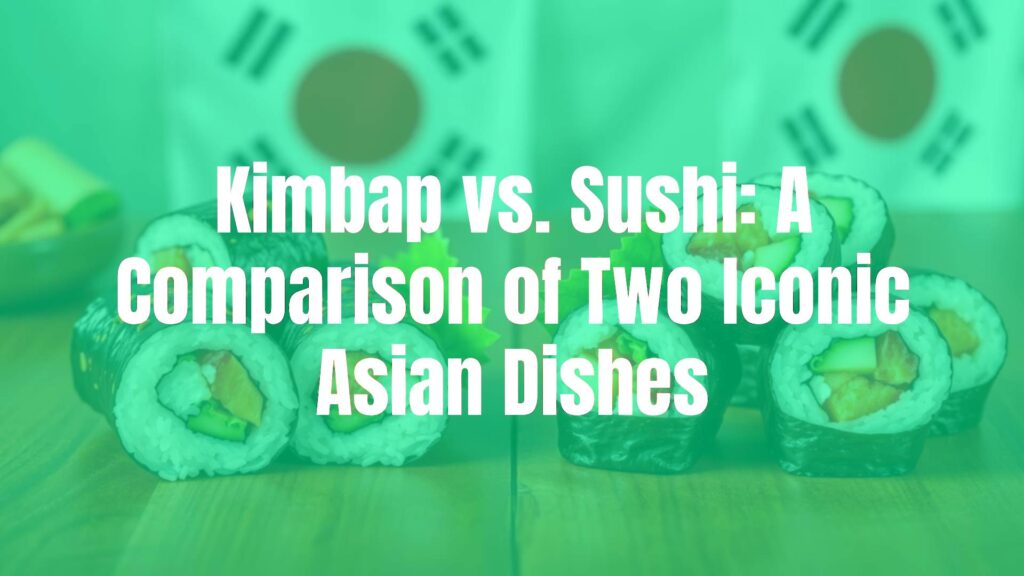
Kimbap and sushi might look a lot alike because they’re both rice and fillings rolled in seaweed, but they’re very different dishes with separate roots, ingredients, and cultural meanings. Kimbap is a key part of Korean food, while sushi comes from Japan and stands as a food tradition there. This article explains how these two popular foods differ, including their background, what goes in them, how they’re made, and the way they’re enjoyed in their home countries.

Kimbap vs Sushi: What Makes Them Different?
Is kimbap the same as sushi?
No, kimbap is not sushi even though they look similar. People often call kimbap “Korean sushi,” especially if they don’t know a lot about Korean food, but this isn’t correct. Kimbap is special in Korea because of its links to happy memories like school trips and family picnics. Calling kimbap “sushi” takes away from its identity and importance in Korean culture.
What do kimbap and sushi have in common?
- Both use dried seaweed sheets (called “gim” in Korean and “nori” in Japanese) to wrap around rice and fillings.
- They’re rolled using a bamboo mat and then sliced into pieces.
- Both use short-grain white rice as a base, though flavored in different ways.
- You can fill both with many different ingredients to suit your taste.
Main differences between kimbap and sushi
- Rice Flavor: Sushi rice is mixed with vinegar and a bit of sugar, so it tastes slightly tangy and sweet. Kimbap rice is mixed with sesame oil and salt, giving it a savory and nutty flavor.
- Fillings: Sushi usually includes raw fish and tries to keep fillings simple. Kimbap is filled with cooked items like beef, eggs, ham, and many types of veggies-it rarely has raw food.
- Sauces and Sides: Sushi is served with soy sauce, wasabi, and pickled ginger. Kimbap doesn’t usually come with dips; instead, it may be served with kimchi or pickled radish.

Kimbap and Sushi: Where Did They Come From?
Does kimbap come from Japanese norimaki?
Some believe kimbap was influenced by Japanese norimaki (rolled sushi) during the time Japan ruled Korea, pointing out that “kimbap” as a word only appeared in Korea in the 1930s, and the early recipes sometimes used vinegared rice. Later on, Koreans switched to using sesame oil and salt instead. Another view says Koreans were already using seaweed to wrap rice long before Japanese influence-records mention this practice back in the Joseon era. No matter the origin, today kimbap is its own thing, deeply woven into daily Korean life and taste.
Why kimbap matters in Korea
Kimbap is more than just food in Korea. It reminds people of their childhood, family trips, and gatherings. Often packed by moms for a day out, it’s easy to carry, share, and eat anytime. For many Koreans, kimbap means comfort, caring, and home-cooked goodness.

Why sushi matters in Japan
Sushi is a key part of Japanese food culture. It stands for skill, simple beauty, and respect for high-quality ingredients. Sushi started as a way to preserve fish but became an art over the years, focusing on freshness, flavor, and how carefully it’s made. Eating sushi in Japan can be a special event, and the craft of the chef is highly valued. Sushi reflects Japanese ideas about food: simple, balanced, and clean flavors.
What Is Kimbap?
Kimbap (also spelled gimbap) is a Korean roll made with cooked rice and fillings all wrapped in seaweed and sliced into bite-sized rounds. The name means exactly that-seaweed (“kim”) and rice (“bap”). Kimbap rice is seasoned with sesame oil and salt, making it taste savory and slightly nutty. The fillings are cooked and varied, and kimbap is usually eaten on its own or with sides like kimchi or pickled radish.
Usual kimbap fillings
- Cooked veggies (spinach, carrots, pickled radish, burdock root)
- Egg omelette strips
- Marinated beef (bulgogi), imitation crab, ham, or canned tuna
- Fish cake
- Each item is cooked or seasoned first, and then lined up on the rice before rolling.

Types of kimbap
| Type | Features |
|---|---|
| Classic Kimbap | Filled with rice, veggies, omelette, meat, seaweed on outside |
| Nude Kimbap | Rice on outside, seaweed inside, often with sesame seeds outside |
| Triangle Kimbap (Samgak Kimbap) | Triangle-shaped; sold in shops with various fillings; meant for easy eating |
| Mini Kimbap (Mayak Kimbap) | Tiny rolls, not sliced, often served with soy sauce and mustard |
| Tuna Kimbap (Chamchi Kimbap) | Filled with seasoned tuna, often with vegetables |
| Chungmu Kimbap | Just rice inside, served with spicy squid and radish on the side |
What Is Sushi?
Sushi is a Japanese dish based around vinegared rice, which can be topped or rolled with different ingredients. The rice is called sumeshi. Sushi doesn’t always have to have raw fish-the key feature is the rice mixed with vinegar. Sushi is known for its clean flavors and careful way of serving, a big part of Japanese food tradition.
Common types of sushi
| Type | Description |
|---|---|
| Maki | Rice and fillings rolled in seaweed, then sliced |
| Futomaki | Thicker maki roll, often with several fillings-looks most like kimbap |
| Nigiri | Hand-shaped mound of rice topped with a slice of fish or other topping |
| Uramaki | Inside-out roll, rice on the outside; fillings and seaweed inside |
| Temaki | Hand-rolled cone shape with rice and fillings |
| Chirashi | Bowl of rice with scattered toppings like fish, vegetables, egg |
| Sashimi | Just raw fish or seafood, no rice (not strictly sushi, but often served side by side) |
Traditional sushi ingredients
- Vinegared short-grain rice
- Raw fish (tuna, salmon, yellowtail), always sushi-grade
- Cooked seafood (eel, shrimp, octopus, squid)
- Fresh vegetables (cucumber, avocado, pickled radish)
- Tamagoyaki (sweet egg omelette)
- Nori seaweed sheets
- Soy sauce, wasabi, and pickled ginger as extras
Kimbap vs Sushi: Comparing Ingredients
How the rice is flavored
- Kimbap: Rice is seasoned with sesame oil and salt, giving it a soft, nutty taste and a shiny look.
- Sushi: Rice is mixed with vinegar, sugar, and salt, making it sour and a bit sweet, perfect for pairing with fish.
Modern kimbap can also use brown or black rice, while sushi almost always sticks with white.
Seaweed Differences
- Kimbap: Uses “gim,” which is thin and crispy, sometimes toasted or lightly brushed with sesame oil for extra flavor.
- Sushi: Uses “nori,” often thicker and used plain, so the flavors inside the roll stand out more.
Fillings: Kimbap vs Sushi
- Kimbap: Mostly cooked fillings-veggies, egg, meats, and pickled items. Makes for a filling, all-in-one meal.
- Sushi: More raw or lightly cooked ingredients, focusing on fish and simple veggies. Puts fresh flavors in the spotlight.
How To Make Kimbap and Sushi at Home
How to roll kimbap
- Cook short-grain rice and season it with sesame oil and salt.
- Prepare fillings: cook veggies, eggs, meat, or other items ahead.
- Lay a gim sheet on a bamboo mat, spread rice about two-thirds up, leaving a gap at the top.
- Add fillings across the center.
- Roll tightly using the mat, pressing gently to keep everything in place.
- Brush the outside with a bit more sesame oil, then slice into pieces with a wet knife.
- Serve as it is or with kimchi or pickled radish.
How to roll sushi
- Cook short-grain rice and mix with vinegar, sugar, salt while warm; cool it down.
- Place nori on a bamboo mat (cover with plastic wrap to keep it clean).
- Spread rice thinly over nori, leaving a border at the top.
- Add chosen fillings, such as slices of raw fish or veggies.
- Roll up tightly, using the mat.
- Seal the end with water, then slice with a wet, sharp knife.
- Serve with soy sauce, wasabi, and pickled ginger.

Nutrition: Which One Is Healthier?
Comparing calories and nutrition
- Kimbap: More calorie-dense because of fillings like beef, ham, or fish cake, plus cooked veggies and egg. Sesame oil adds fat, and processed meats add salt. With lots of veggies and lean meat, it can be quite balanced.
- Sushi: Basic sushi rolls or nigiri are usually lighter, focused on fish (which gives healthy omega-3s) and small portions of rice. Some sushi rolls with fried items or creamy sauces can be much higher in fat and calories. Soy sauce ups the salt.
Health risks and things to watch for
- Sushi: The main risk is eating raw fish, which can sometimes have parasites or bacteria if not stored or handled safely. Large fish, like some tuna, may contain mercury. Soy sauce is very salty. Raw fish should be avoided by pregnant women, young kids, and people with weaker immune systems.
- Kimbap: Uses mostly cooked fillings, so raw fish concerns aren’t common. Risk comes mostly from processed meats or added oils. People watching their salt or fat intake should choose fillings wisely.
How Kimbap and Sushi Are Eaten
Kimbap traditions
Kimbap is a go-to for picnics, trips, or school lunches in Korea. Sliced into easy bites, it can be eaten with your hands anywhere and often gets shared. It’s eaten as is, not dipped in sauces, and commonly paired with kimchi or pickled radish for extra taste.
Sushi traditions
Sushi in Japan can be enjoyed in different ways, from fancy sushi bars to casual dining. Nigiri is usually eaten by hand, while other sushi might use chopsticks. When dipping, only the fish (not the rice) is touched to soy sauce to keep the rice’s texture. Wasabi is used sparingly, and pickled ginger is for cleansing your palate, not as a topping. Sushi is about savoring each piece, appreciating the taste, texture, and how it’s presented.
FAQ: Kimbap vs Sushi
Can you switch kimbap and sushi in recipes or meals?
You can’t really switch one for the other and expect the same taste. If you want raw fish and light flavors, kimbap isn’t a good swap. If you’re after a hearty, savory meal, sushi may seem too mild. They’re best enjoyed for what makes them unique.
Why do people call kimbap “Korean sushi”?
This happens mostly because both are rice and fillings rolled in seaweed, and they look similar. But the dishes are not the same, and many Koreans feel the “Korean sushi” label misses what’s special about kimbap’s taste, history, and place in Korean food culture.
Are there vegetarian or vegan choices?
- Kimbap: Yes-many versions are made only with veggies and use no animal products if egg is left out. Common fillings are spinach, carrots, pickled radish, burdock, or tofu.
- Sushi: Yes. Veggie sushi rolls-like cucumber, avocado, or pickled vegetable maki-are easy to find. Check to make sure no animal products are used in the sauces or extras.
Should You Pick Kimbap or Sushi?
Kimbap and sushi both show the rich food histories of Korea and Japan, but they’re different in taste, how they’re made, and how people enjoy them. Kimbap gives you a filling, savory meal, great for sharing, with ingredients that remind many Koreans of home. Sushi is all about simple, clean flavors and careful presentation, usually focusing on the freshness of fish and the skill of the chef.
There is no right or wrong choice-it depends on what you’re craving. If you want a filling, comforting food with cooked veggies and meats, pick kimbap. If you want something lighter, focusing on simple tastes and raw fish, sushi is the best pick. Each offers a real taste of Korean or Japanese cooking, and both are well worth trying if you want a hands-on, flavorful meal.
