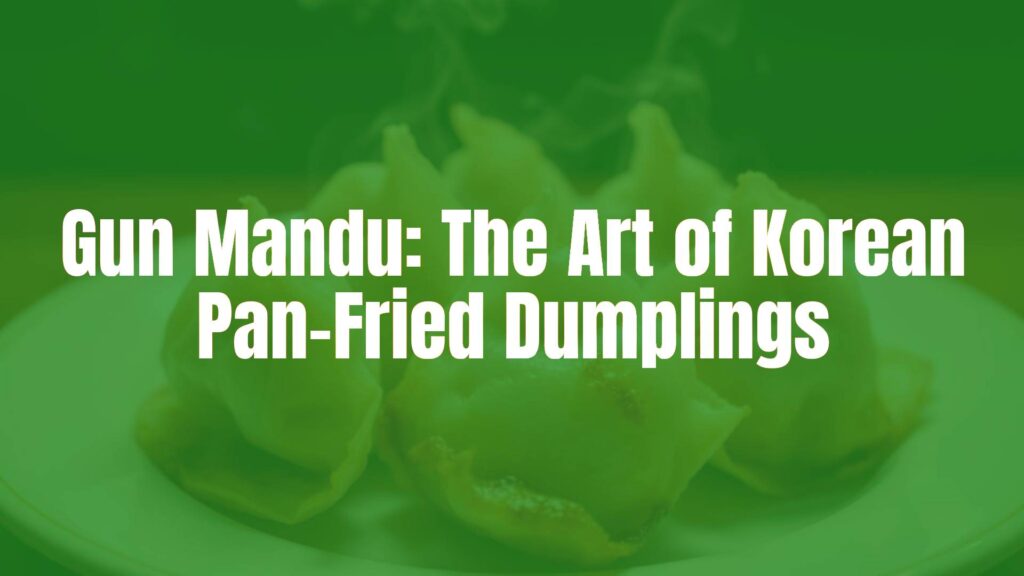
Introduction to Gun Mandu
Gun mandu (군만두) are beloved Korean pan-fried dumplings cherished for their golden, crisp exterior and flavorful fillings. Offering a delicious contrast between crunchy and savory, gun mandu are enjoyed as appetizers, street snacks, or an accompaniment to diverse Korean meals.
Defining Characteristics
Gun mandu distinguish themselves from other types of Korean mandu by their signature pan-frying technique. While steamed or boiled mandu are soft and tender, gun mandu are celebrated for their crunchy bottom and delicate, slightly chewy wrappers. Typically crescent-shaped or round, these dumplings are generously filled and sealed before being browned to perfection in a shallow pan.
Historical Background and Cultural Significance
Mandu, believed to have been introduced to Korea via Central Asia or China centuries ago, have become ingrained in Korean culinary tradition. The practice of pan-frying mandu gained popularity especially in the 20th century, as street vendors offered them as a quick, satisfying snack. While mandu variations exist throughout Korea, gun mandu are particularly prominent in urban centers, often served at pojangmacha (street food carts), casual eateries, and Korean-Chinese restaurants.
Key Ingredients
At the heart of gun mandu are their wrappers, made from wheat flour and water, which encase a variety of savory fillings. The most typical fillings include:
- Pork – Ground pork provides richness and moisture.
- Tofu – For added tenderness and subtle flavor.
- Kimchi – Often included for a spicy, tangy kick.
- Vegetables – Cabbage, garlic chives, onions, and mung bean sprouts are common additions.
- Seasonings – Garlic, ginger, soy sauce, sesame oil, and black pepper deepen the flavor profile.
Regional and Personal Variations
Although the basic template for gun mandu is widely recognized, variations abound. Coastal regions might feature seafood-based fillings, while vegetarian options are popular in Buddhist cuisine. Some recipes use glass noodles (dangmyeon) or adapt the wrapper’s thickness for crispness or bite. Readily available store-bought mandu wrappers are often used, but some home cooks prefer handmade dough for a more rustic touch.
Preparation and Serving Styles
The preparation of gun mandu involves pan-frying the stuffed dumplings in a thin layer of oil until their bottom achieves a golden crispness, then optionally steaming them briefly in the same pan with a splash of water—a hybrid method ensuring both crunch and tenderness. Gun mandu are classically presented with a dipping sauce made from soy sauce, vinegar, and chili flakes. They are enjoyed hot, often as part of larger meals or with accompaniments such as rice, kimchi, or tangy pickled radish.
Accompaniments and Beverage Pairings
Gun mandu pair excellently with tangy, savory dipping sauces. As a snack, they go well with makgeolli (Korean rice wine) or light beer, which balance the richness of the filling and the crisp wrapper. As a side dish, they complement soups like kimchi jjigae or clear beef broths, and are a popular choice in Korean-Chinese dining alongside jjajangmyeon (black bean noodles) or jjamppong (spicy seafood noodle soup).
Ingredient Substitutions and Modern Twists
Modern kitchens see creative substitutions: chicken or beef for pork, mushrooms or sweet potato noodles for vegetarian versions, or gluten-free wrappers for dietary needs. Fusion interpretations might introduce unconventional fillings such as cheese or global spices, showing how gun mandu continue to evolve while maintaining their distinctively Korean spirit.
Conclusion
Gun mandu embody the vibrant, accessible side of Korean cuisine. Whether made at home or enjoyed at a street vendor stall, their irresistible combination of crunch, warmth, and savory flavor secures their place as a perennial favorite among locals and visitors alike.
