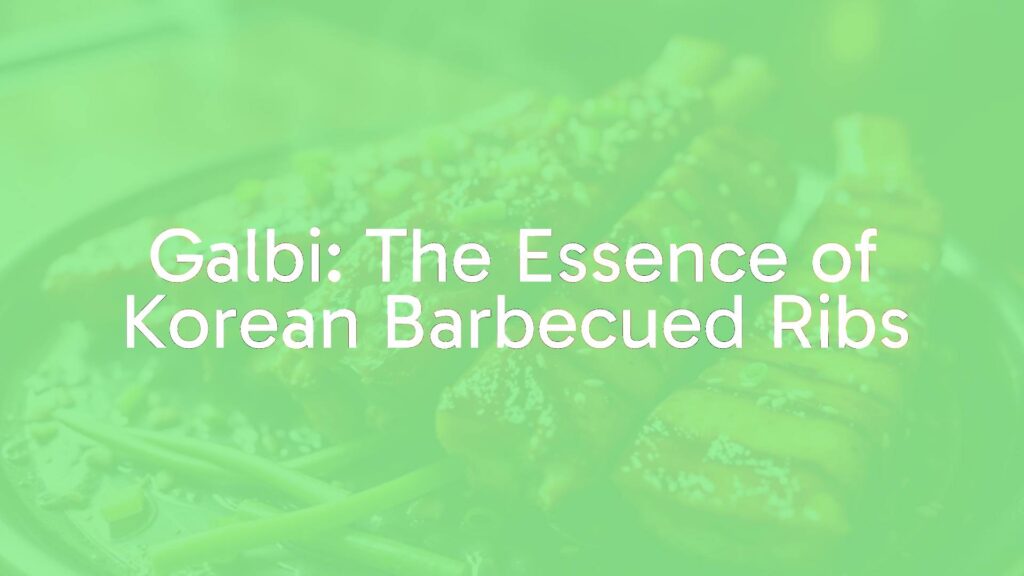
Understanding Galbi: Korea’s Beloved Barbecued Ribs
Galbi, also spelled “kalbi,” stands as one of the most celebrated dishes within Korean cuisine, renowned for its savory marinated ribs and its central role in Korean barbecue culture. Most commonly referring to beef short ribs, but sometimes prepared with pork or other meats, galbi owes its universal appeal to its harmonious blend of sweet, salty, and umami flavors, accompanied by a tender, slightly caramelized texture achieved through grilling.
Origins and Cultural Significance
The roots of galbi can be traced back to Korea’s royal courts and aristocracy, where grilled marinated meats symbolized luxury and hospitality. Over time, the dish became widespread, especially in the 20th century with the rise of restaurants specializing in various preparations of galbi. Today, galbi is a centerpiece at festive gatherings, family celebrations, and casual dining, cherished not just for its rich taste but also for the communal aspect of grilling and enjoying meat together at the table.
Key Components and Preparation
The defining feature of galbi is its marinade, typically a mixture of soy sauce, garlic, sugar, sesame oil, and often grated Asian pear or apple for natural sweetness and tenderizing effects. Traditional galbi uses beef short ribs, either cut across the bone (LA galbi style) or butterflied lengthwise to maximize surface area for marinade absorption. Pork galbi, especially popular in certain regions, will often be marinated with spicier ingredients such as gochujang (Korean chili paste).
Galbi is marinated for several hours or overnight to ensure deep flavor penetration, then grilled over charcoal for an aromatic, smoky finish with appealing caramelization on the exterior.
Flavor and Presentation
When served, galbi features succulent, juicy meat, balanced by both sweetness and a subtle savory depth from the marinade. Its slightly charred edges and glossy appearance make it visually inviting. Traditionally, galbi is accompanied by an array of banchan (side dishes) and enjoyed wrapped in lettuce leaves with rice, sliced garlic, green chili, and a dab of ssamjang (thick soybean-chili paste), allowing diners to create their own flavorful bites.
Variations and Regional Styles
While beef galbi is perhaps the most iconic, variations abound. Pork galbi (dwaeji-galbi) is favored in southern regions and often features a spicy-sweet marinade. In some locales, chicken or duck may be used. The cut of the ribs varies as well—Korean-style flanken cut and LA galbi (cross-cut rib strips) differ in appearance and grilling time, yet both aim for flavorful, tender results.
Ingredient substitutions can make galbi accessible internationally: local rib cuts, apples instead of Asian pear, or honey as a sugar alternative can all be used. For those seeking non-red meat versions, mushrooms or firm tofu marinated and grilled “galbi-style” are growing in popularity.
Pairings and Enjoyment
Galbi pairs exceptionally with steamed white rice and fresh leafy greens. The assortment of banchan—pickled vegetables, kimchi, seasoned sprouts—complements the grilled meat’s richness. For beverages, soju and maekju (Korean beer) are traditional, though non-alcoholic options like sikhye (sweet rice drink) or barley tea are also fitting.
Conclusion
Galbi thrives at the heart of Korean barbecue, offering unmatched flavor, tradition, and the joy of shared dining. Its versatility and depth ensure its enduring popularity both in Korea and across the globe, making it a delicious introduction to Korean culinary culture.
