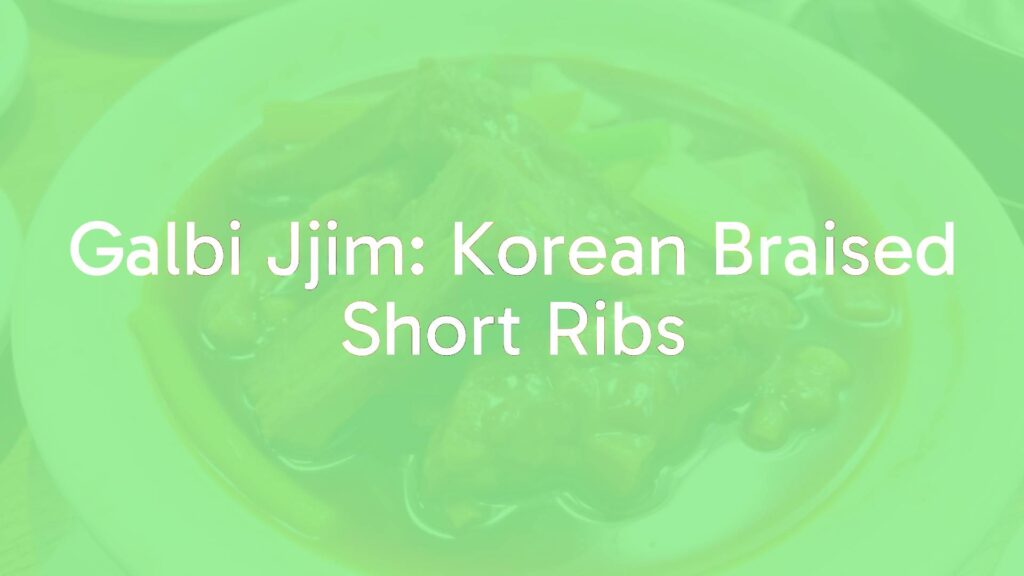
Galbi Jjim: An Iconic Korean Braised Short Rib Dish
Defining Characteristics of Galbi Jjim
Galbi jjim (갈비찜), sometimes romanized as kalbi jjim, is a beloved Korean dish centered on beef short ribs that are marinated and then slowly braised to tender perfection. Renowned for its deep, savory-sweet flavor and meltingly soft texture, galbi jjim holds a special place at celebratory tables, spanning holidays, family gatherings, and festive occasions in Korea. The glossy, aromatic sauce clings to every piece of meat and vegetable, making each bite both comforting and indulgent.
Historic Origins and Regional Influences
The tradition of braising meat in Korea dates back centuries, with beef short ribs—once a delicacy reserved for special events—at the core of galbi jjim’s heritage. Originating in royal court cuisine, the dish evolved as beef became more widely available, spreading from the aristocracy to households throughout Korea. Today, galbi jjim is a centerpiece for holidays like Chuseok and Seollal. While the essential preparation remains largely consistent, some provinces—such as Jeolla and Gyeongsang—add regional touches, like extra spice or unique vegetables, to personalize the flavors.
Key Ingredients and Preparation Approach
At the heart of galbi jjim are bone-in beef short ribs, which are soaked in cold water to remove excess blood and then marinated in a blend of soy sauce, garlic, ginger, sugar, sesame oil, and sometimes fruit like Asian pear or apple for natural sweetness and tenderizing effects. The ribs are then simmered with root vegetables such as carrots, Korean radish (mu), and potatoes. Optional garnishes include chestnuts, jujubes, and pine nuts, contributing subtle layers of flavor and texture.
Texture, Flavor, and Appearance
Galbi jjim is admired for its harmonious balance of umami, sweet, and savory notes. The beef, gently cooked for hours, achieves fork-tender softness while absorbing the complex marinade. Its sauce, slightly thickened through reduction, is glossy and rich, enveloping both the meat and vegetables in a caramelized sheen. Traditional presentations are vibrant, with green scallions and red chili threads for color contrast.
Popular Variations and Ingredient Swaps
While classic galbi jjim uses beef, variations abound. Pork ribs (dwaeji galbi jjim) provide a heartier flavor, while some cooks favor chicken (dak galbi jjim) for a lighter twist. For deeper spice, especially in southern regions, gochujang (fermented chili paste) or fresh chilies may be included. Vegetarian adaptations replace meat with mushrooms and tofu, capturing the dish’s essence in a plant-based way. In modern kitchens, slow cookers and pressure cookers offer convenient alternatives to long stovetop braising.
Serving Suggestions and Pairings
Galbi jjim is typically served hot, presented family-style in a wide, shallow bowl or pot at the center of the table. It is accompanied by a selection of banchan (side dishes) and steamed white rice that helps balance the richly flavored sauce. Popular drink pairings include mild Korean rice wines like makgeolli or soju, while non-alcoholic options such as barley tea are also common. Kimchi and simple vegetable sides offer a bright, crisp counterpoint to the dish’s robust sophistication.
Conclusion
Galbi jjim exemplifies the Korean tradition of slow-cooked comfort foods, uniting families and friends around a communal table. Its deep roots and evolving variations showcase the versatility of Korean culinary heritage, making it a perennial favorite both in Korea and abroad.
