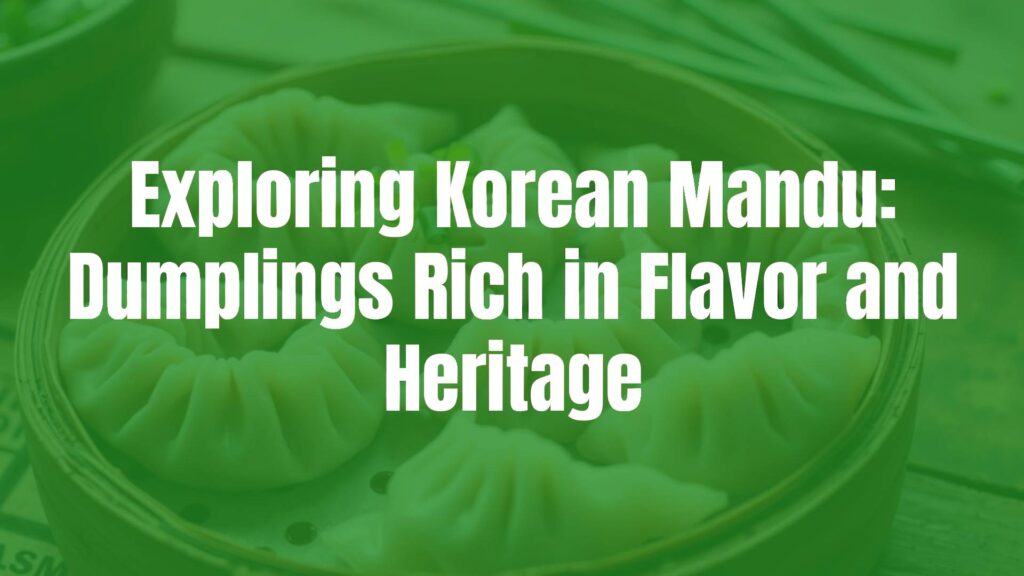
Introduction to Korean Mandu
Korean mandu, an iconic type of dumpling, stands out as a beloved comfort food across the Korean peninsula. These savory parcels are enjoyed steamed, boiled, pan-fried, or deep-fried, and are often a centerpiece during holidays, family gatherings, and through everyday meals. Mandu showcases Korea’s dynamic approach to flavor, texture, and culinary artistry, featuring a variety of shapes, fillings, and presentations.
Distinctive Qualities of Mandu
What distinguishes mandu from other global dumplings is its adaptable filling and the range of cooking techniques. The wrappers are typically thin and soft yet sturdy enough to contain generous fillings, which can range from meat-heavy to entirely vegetarian. The flavor profile of mandu is built on balance—savory from meat or tofu, fresh from vegetables, and a subtle nutty element often contributed by sesame oil. Their appearance varies, with styles ranging from crescent-shaped (half-moon) to round or pleated forms.
Historical Background and Regional Variations
Mandu is believed to have been introduced to Korea from Central Asia via the Silk Road, with its earliest references dating back to the Goryeo Dynasty (918–1392). Since then, mandu has evolved into a cuisine deeply woven into Korea’s food culture, particularly associated with festive occasions like Lunar New Year. Regional differences are also pronounced. In the northern regions, such as Pyongan and Hamgyong provinces, mandu is often larger and may include more tofu and mung bean sprouts, whereas southern versions incorporate kimchi or spicy ingredients for a bolder kick.
Core Ingredients That Define Mandu
The heart of mandu lies in its filling. Common components include:
- Ground pork, beef, or a mixture of both
- Firm tofu, pressed to remove excess moisture
- Napa cabbage, seasoned and lightly salted
- Garlic and ginger, finely minced
- Mung bean sprouts for a lightly crisp texture
- Chopped green onion and sometimes Asian chives
- Seasonings like soy sauce, sesame oil, salt, and black pepper
The outer wrapper is made from a simple wheat-flour dough, rolled thin and cut into circles or squares depending on preferred folding style.
Popular Variations and Ingredient Alternatives
Korean mandu accommodates a wide range of interpretations. Kimchi mandu is popular in the south, filled with spicy fermented cabbage. Gun-mandu refers to pan-fried dumplings, while Jjin-mandu are steamed, and Mul-mandu are boiled. Vegetarian versions might use glass noodles or extra tofu and omit animal proteins. For those with dietary needs, wrappers can occasionally be made with rice flour, and fillings are easily tailored with mushrooms, sweet potato noodles, or finely chopped vegetables.
Serving Suggestions and Pairings
Mandu is highly adaptable at the table. It can be served as a standalone snack with a dipping sauce of soy sauce and vinegar, as a side dish, or even as a main course. One iconic preparation is mandu-guk, a warming soup featuring boiled mandu in a light beef or anchovy broth, traditionally eaten during the Korean New Year. As for drinks, mandu pairs beautifully with makgeolli (a traditional rice wine), light beers, or barley tea for a non-alcoholic option. Typical accompaniments include kimchi, pickled radish, or simple green salads to cut through the richness.
Conclusion
Korean mandu is far more than just a dumpling. It captures the essence of Korean home cooking, offering comfort, variety, and a harmonious blend of ingredients. Whether enjoyed fresh from a street vendor or as a festive homemade treat, mandu remains a universally loved pillar of Korean culinary tradition.
