Introduction to Dukbokki
Dukbokki (also spelled tteokbokki) is one of Korea’s most beloved street foods, instantly recognizable for its vibrant red sauce and chewy rice cakes. A staple at street stalls, school canteens, and home kitchens alike, this dish is renowned for its bold combination of textures and flavors, making it a must-try experience for locals and visitors to Korea.
What Sets Dukbokki Apart?
The defining feature of dukbokki is its main ingredient: tteok, or cylindrical Korean rice cakes, which are soft, chewy, and slightly sweet. These are simmered in a thick, glossy sauce made primarily from gochujang (Korean red chili paste), along with other seasonings. This results in a sweet, spicy, and savory profile that is deeply satisfying and utterly unique.
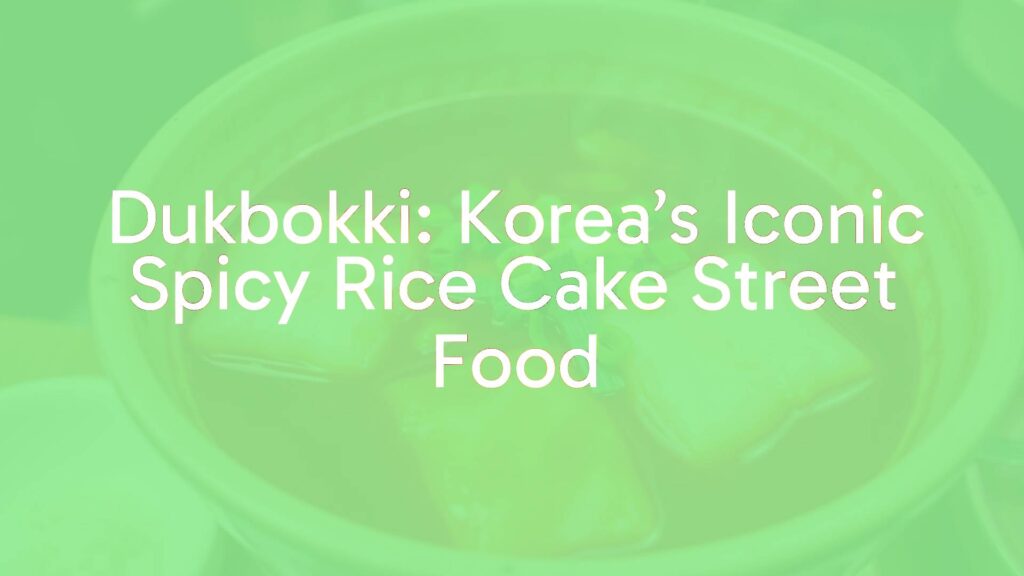
Visually, dukbokki is typically characterized by its bold red color and saucy consistency, with the rice cakes shining amidst the fiery sauce. Its hearty nature and comforting chew appeal to all ages, making it a dish that brings people together at communal tables or crowded sidewalk stands.
Historical and Cultural Background
While the modern spicy version of dukbokki is a 20th-century creation, the dish’s roots go back centuries to the royal courts, where it was originally served as a savory stir-fry with soy sauce, meat, and vegetables (gungjung tteokbokki). The contemporary chili-laden iteration became popular post-Korean War, as gochujang became widely available and affordable, transforming dukbokki into a street food sensation in Seoul and beyond.
Today, dukbokki is closely associated with Korean street food culture and is particularly popular with students and young adults. It remains an integral part of social gatherings and late-night eating scenes.
Signature Ingredients
The essential components of dukbokki include:
- Tteok: Cylindrical rice cakes, typically made from short-grain rice for a springy texture.
- Gochujang: Fermented red chili paste, providing heat, umami, and a touch of sweetness.
- Gochugaru (optional): Korean red chili flakes to add extra spiciness and depth.
- Odeng (fish cakes): Commonly sliced and added for bite and flavor.
- Vegetables: Scallions, onions, and sometimes cabbage or carrots to round out the dish.
- Seasonings: Soy sauce, sugar, garlic, and sometimes corn syrup for balance.
Popular Variations and Ingredient Swaps
While the classic form is spicy, dukbokki comes in numerous variations. Some regions and vendors offer:
- Cheese Dukbokki: Melted cheese is added for a creamy twist on the spicy base.
- Seafood Dukbokki: Includes mussels, squid, or shrimp for a briny seafood edge.
- Cream Dukbokki: A fusion version with a creamy, sometimes non-spicy sauce.
- Gungjung Tteokbokki: The non-spicy soy-based original with beef and vegetables.
For those seeking ingredient substitutions, wheat-based rice cakes or even gluten-free versions can be used. Alternative proteins like tofu or hard-boiled eggs are commonly added for extra nutrition and variety.
Serving Suggestions and Pairings
Dukbokki is best enjoyed piping hot, whether right off a street vendor’s cart or at home. It is typically served as a shared plate, with skewered fish cakes and hard-boiled eggs as common companions. Many like to enjoy it alongside eomuk-tang (fish cake soup) or gimbap (Korean rice rolls) for a more substantial meal. When it comes to drinks, dukbokki’s bold flavors pair nicely with light beers, sweet rice drinks like sikhye, or even soju for a more spirited gathering.
Conclusion
As one of the definitive icons of Korean comfort food, dukbokki delights with its hearty texture, spicy sweetness, and inclusive spirit. Whether as quick street fare or part of a social meal, its rich history and playful adaptability ensure it remains a beloved fixture of Korea’s vibrant culinary landscape.
