Introduction to Doenjang Jjigae
Doenjang jjigae is a quintessential Korean stew that showcases the rich, earthy flavors of fermented soybean paste, known as doenjang. Widely enjoyed across Korea, this comforting dish is cherished for its deep umami taste, nourishing ingredients, and adaptability to personal tastes. More than just a meal, doenjang jjigae is a reflection of Korea’s culinary heritage and the importance of fermentation in its traditional food culture.
Distinctive Features and Flavor Profile
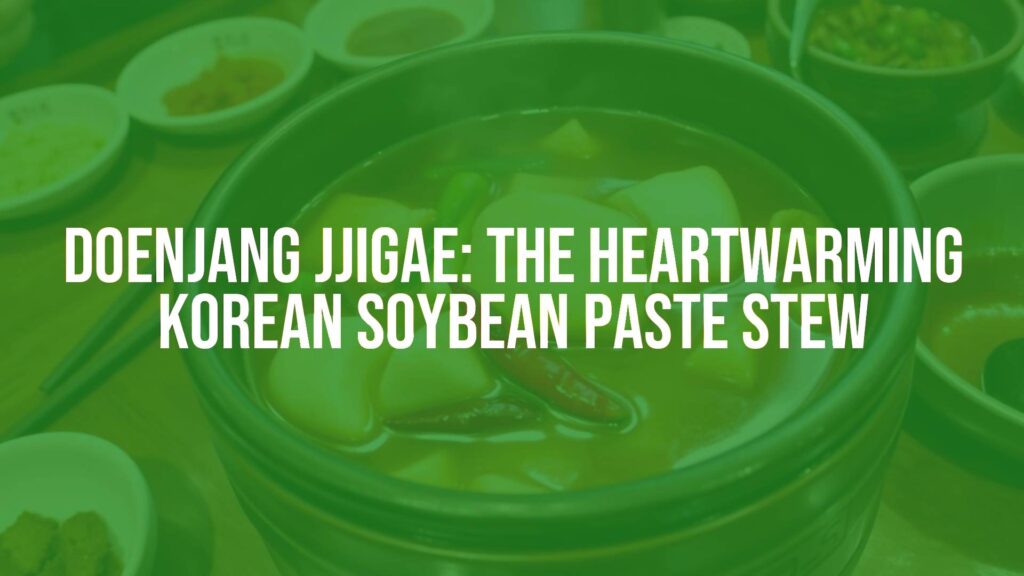
The defining characteristic of doenjang jjigae is its robust broth, brimming with savory and slightly tangy notes from the fermented soybean paste. The stew’s color ranges from light brown to deep ochre, depending on the concentration of doenjang used. Typically, it has a hearty, slightly rustic texture thanks to the abundance of vegetables, soft tofu, and sometimes additions like potatoes or zucchini. The flavor is multilayered: salty, earthy, and often with a gentle heat from chili peppers or gochugaru (Korean chili flakes), complemented by the freshness of green onions and garlic.
Historical Background and Cultural Roots
Rooted in centuries-old culinary practice, doenjang jjigae holds a special place in Korean households. The use of fermented soybean paste dates back to the Three Kingdoms period, and for many generations, families would produce their own doenjang in clay jars. The stew is seen as a staple — once considered a humble, everyday dish, it has gained respect as a healthful comfort food. Beyond simple nourishment, doenjang jjigae plays a part in the communal aspect of Korean dining, often served at the center of shared meals.
Core Ingredients and Preparation Insights
The heart of doenjang jjigae is the doenjang itself, a dense, pungent paste made from fermented soybeans and brine. To build the stew, cooks typically include a combination of:
- Tofu – usually soft or medium-firm, sliced into cubes
- Vegetables – such as zucchini, potatoes, onions, mushrooms (often enoki or shiitake), and green chili peppers
- Aromatics – garlic and green onions provide depth and freshness
- Broth – traditionally made with dried anchovies and kelp, but vegetable stock is common as well
Meat additions are less common but not unusual — thinly sliced beef, pork, or even seafood like clams can enrich the flavor. The key to a successful doenjang jjigae is the balance between the intense soybean paste and the mellowing influence of tofu and vegetables.
Regional and Household Variations
Throughout Korea, recipes for doenjang jjigae vary, often reflecting local produce or family traditions. Some regions favor the addition of wild greens or spicy peppers, while others enhance umami with small shellfish. In vegan or vegetarian versions, anchovy broth is swapped out for mushroom or kelp stock, and more vegetables are included to add complexity. Urban home cooks may opt for store-bought doenjang, while rural homes might still use artisanal, homemade paste for a fuller, more nuanced flavor.
Serving Suggestions and Pairings
Doenjang jjigae is almost always served bubbling hot in a heavy stoneware pot (ttukbaegi), which helps retain its heat throughout the meal. It accompanies a bowl of steamed white rice and is surrounded by various banchan (side dishes) such as kimchi, pickled radish, or seasoned greens. As for beverages, it pairs beautifully with mild barley tea or, for festive occasions, with Korean rice wine (makgeolli). The stew’s robust flavors also complement grilled meats, making it a popular side in Korean barbecue restaurants.
Ingredient Substitutions and Modern Twists
For those adapting doenjang jjigae outside Korea, Japanese miso can be used as a substitute for doenjang, though the taste will be sweeter and less pungent. Soy sauce might be added to boost umami if doenjang is mild. Contemporary variations sometimes feature ingredients like squash, spinach, or seafood, reflecting the versatility of the dish. Gluten-free doenjang is also widely accessible, broadening its appeal for those with dietary restrictions.
Conclusion
Doenjang jjigae stands as an embodiment of Korean comfort food, celebrated for its soul-warming qualities and cultural depth. Whether served in humble homes or modern restaurants, this soybean paste stew offers a taste of Korea’s rich traditions and adaptable culinary spirit.
