Understanding Dak Galbi: Korea’s Spicy Chicken Stir-Fry
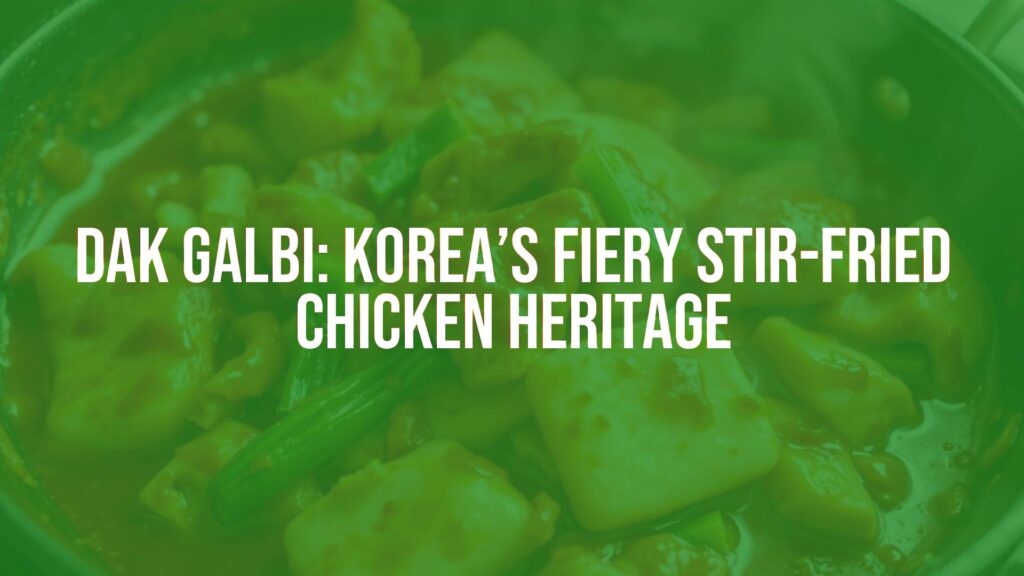
Dak galbi (닭갈비) is a lively and popular dish from Korean cuisine, showcasing marinated chicken stir-fried with gochujang (Korean red chili paste), vegetables, and rice cakes on a hot pan. Renowned for its robust, spicy-sweet flavors and communal style of dining, it offers a unique culinary experience with bold color and aroma.
Defining Features and Preparation Style
Dak galbi distinguishes itself with tender chunks of chicken, coated in a vibrant red sauce made primarily from gochujang, garlic, soy sauce, and sometimes a hint of sugar for balance. The chicken is stir-fried at high heat on a broad, flat pan, often at the center of the table, encouraging diners to cook, eat, and share together.
Hearty accompaniments commonly include sliced sweet potatoes, green cabbage, carrots, perilla leaves, scallions, and chewy tteok (Korean rice cakes), resulting in a medley of lively textures and flavors. The dish is typically finished with a generous garnish of toasted sesame seeds and sliced green onions.
Historical and Regional Roots
Dak galbi’s origins trace back to the 1960s in Chuncheon, the capital of Gangwon Province. It was initially developed as an affordable dish to serve groups, particularly soldiers and students. Over time, Chuncheon became so closely linked with dak galbi that the city is sometimes called its spiritual home, even hosting annual dak galbi festivals and rows of specialty restaurants.
Essential Ingredients that Define Dak Galbi
The backbone of dak galbi is boneless chicken—usually thigh meat for its juiciness and flavor. Gochujang serves as the primary seasoning, delivering heat and a subtle sweetness. Soy sauce, minced garlic, ginger, and sugar or honey balance the flavors. The inclusion of vegetables such as cabbage absorbs the spicy sauce and adds crunch, while sweet potatoes provide sweetness and body. The distinctive addition of tteok gives chewy texture that soaks up the sauce.
Variations and Ingredient Substitutions
Throughout Korea, dak galbi has developed numerous regional and personal twists. Some versions incorporate seafood, like squid or shrimp, for added depth. Cheese dak galbi, a modern favorite, features shredded mozzarella, which melts over the sizzling chicken for a creamy, fusion flair. While chicken is classic, some households swap in pork or even tofu for different dietary needs.
Common substitutions include using gochugaru (Korean red pepper flakes) to adjust heat, or swapping cabbage with napa cabbage or kale. Vegetarians can enjoy a plant-based rendition by replacing chicken with mushrooms and tofu, marinated with similar seasonings.
Serving Suggestions and Pairings
Dak galbi is most celebrated as a shared, interactive experience. It’s typically served at the table on a sizzling pan, where diners help stir, cook, and enjoy together. Once most of the chicken and vegetables are finished, it’s customary to stir in rice (bap) and sometimes seaweed flakes and sesame oil, letting it crisp into a flavorful fried rice known as “bokkeumbap”—an eagerly anticipated finale.
Dak galbi pairs well with fresh lettuce or perilla leaves for wrapping, alongside pickled radish or kimchi to refresh the palate. For drinks, popular choices include light lager beers, chilled soju, or even a citrusy makgeolli (Korean rice wine) to temper the dish’s heat.
Conclusion
Rich in communal spirit and bursting with bold flavor, dak galbi is a testament to Korea’s dynamic food culture. From its humble beginnings in Chuncheon to nationwide popularity and global reinterpretations, this stir-fried chicken dish remains a must-try experience for those seeking Korea’s signature spicy comfort food.
