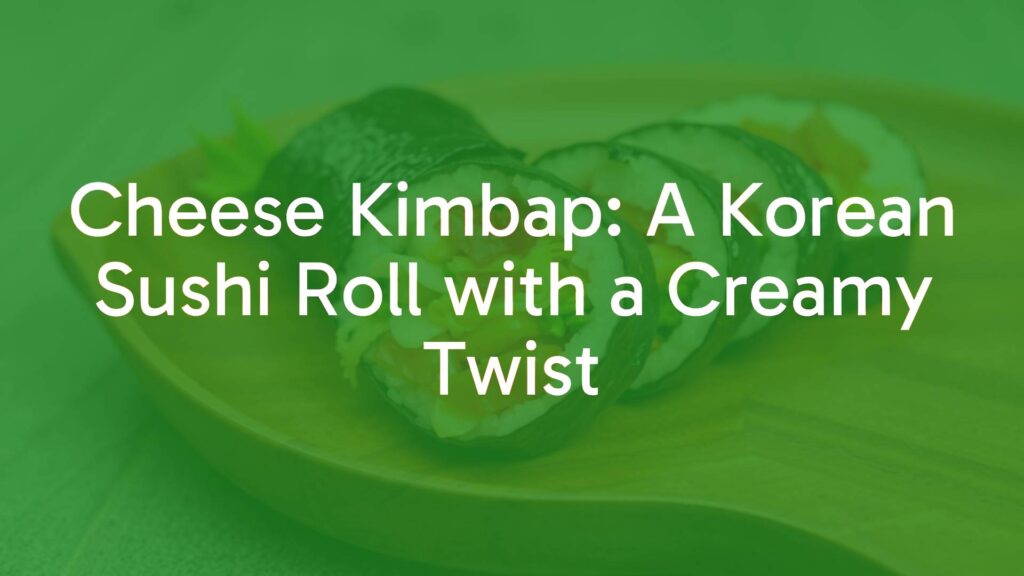
Introduction to Cheese Kimbap
Cheese kimbap is a delightful fusion of traditional Korean kimbap and the rich, creamy appeal of cheese. This popular snack and lunchbox staple has earned a particular following among younger generations and cheese enthusiasts, offering a tasty twist on the classic rice roll found in Korean cuisine. While rooted in the familiar format of seasoned rice and assorted fillings rolled in seaweed, cheese kimbap stands out for its satisfying combination of fresh and savory notes.
Defining Features
Characterized by its vibrant cross-section of colorful ingredients, cheese kimbap typically contains a slender slice or strip of processed cheese nestled among various fillings. Its rice is lightly seasoned with sesame oil and salt, encased in a glossy sheet of roasted gim (laver seaweed). The presence of cheese introduces a creamy, slightly salty flavor that melds well with classic fillings and adds a smooth texture to each bite. When sliced, the melted or soft cheese contrasts appealingly with the crisp vegetables and firm rice.
Origins and Evolution
Kimbap itself traces its evolution to the early 20th century, inspired by Japanese norimaki but developing its own unique Korean identity through local ingredients and flavors. Cheese kimbap is a more recent adaptation, reflecting the growing popularity of cheese in South Korea’s modern culinary landscape. As cheese became a fashionable addition to many comfort foods, creative cooks began incorporating it into kimbap, leading to this now-frequent offering at street stalls, school cafeterias, and kimbap shops nationwide.
Core Ingredients and Preparation
The essential components of cheese kimbap include:
- Cooked short-grain white rice, seasoned lightly
- Sheets of roasted laver (gim)
- Thinly sliced processed cheese or mozzarella sticks (usually individually-wrapped sliced cheese for easy handling)
- Julienned vegetables, such as carrots, cucumber, pickled radish (danmuji), and spinach
- Protein options like imitation crab sticks, seasoned beef, egg strips, or fish cake
The ingredients are placed on a flattened sheet of seaweed layered with rice, then tightly rolled into a cylinder and cut into bite-sized rounds. The cheese typically sits in the center of the roll to ensure an even creamy texture in every slice.
Regional and Culinary Variations
Cheese kimbap boasts a variety of adaptations to suit personal preferences:
- Cheese Type: The most common choice is mild processed cheese, but mozzarella, cheddar, and even cream cheese are occasionally used for different flavors and textures.
- Added Proteins: Some rolls feature spicy tuna, bulgogi, or tofu, complementing the cheese’s creaminess.
- Vegetable Medleys: Variations abound depending on regional specialties or seasonality, with some including perilla leaves or bell peppers.
- Hot Cheese Kimbap: Some vendors offer a melted cheese topping, torching the roll for an extra gooey experience.
Unlike traditional kimbap, which might use only Korean ingredients, cheese kimbap reflects the increasing influence of Western flavors and globalization in Korean food culture.
Serving Suggestions and Pairings
Cheese kimbap is typically enjoyed as a quick meal, picnic food, or party snack. It is commonly served at room temperature, often with pickled radish, kimchi, or a bowl of savory soup. Green tea or cold barley tea are popular beverage pairings, but adventurous eaters sometimes enjoy it with light beer or fruity soft drinks to balance the salted richness of the cheese.
When preparing at home, cheese kimbap can be wrapped in plastic and packed into lunchboxes for school or outings, making it a versatile addition to any meal. Its chewy, savory, and creamy profile delights both children and adults, making it a modern classic within Korean culinary culture.
