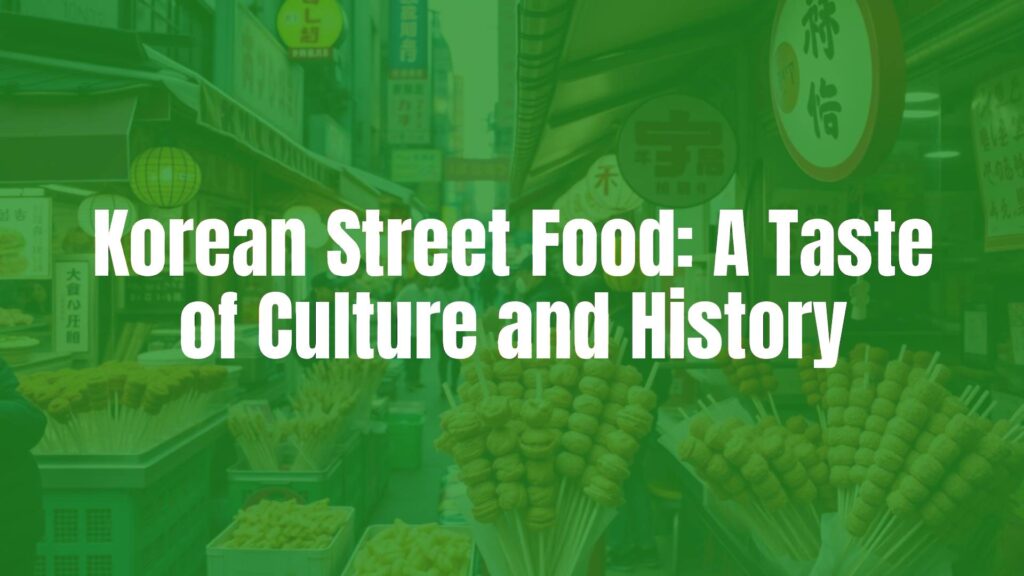
Korean street food, known as gilgeori eumsik (한국의 길거리 음식), is much more than just snacks-it’s a lively and important part of Korean culture that has become popular worldwide. These foods are easy to find, enjoyable to eat, and provide a window into the everyday life and tastes of Korea. Whether it’s a quick bite for a busy commuter, a late-night meal, or a treat for travelers, Korean street food offers something for everyone.

Most Korean street food is made to be eaten on the go. Instead of big meals, you’ll often find snacks or foods on sticks that are easy to eat standing or walking. This makes them perfect for busy city areas like Seoul. Eating street food isn’t just about filling up-it’s a way to enjoy the energy of the city and get a taste of Korean traditions.
What Is Korean Street Food?
Korean street food covers a wide range of ready-to-eat meals and snacks sold from carts, trucks, or small stalls known as pojangmacha. These places are known for being quick, cheap, and varied. Food is made fresh, usually right in front of customers, so it’s hot and full of flavor.
Although we call it “street food,” many of these dishes-known together as boon-shik (분식)-are also served in small, informal restaurants. Whether you eat standing at a stall or sitting in a cozy spot, Korean street food is about convenience, great taste, and taking part in local life.

Why Is Korean Street Food So Popular?
Korean street food’s worldwide popularity has a lot to do with K-pop and Korean dramas. Scenes of street eating in TV shows and music videos have inspired people everywhere to try these foods. Besides its media presence, the food is colorful, pleasing to look at, and works well for sharing on social media.
The flavors are another big reason: many dishes combine sweet, salty, spicy, and savory in exciting ways, making them hard to forget. They’re also cheap and easy to find, which makes them appealing for both locals and tourists. The mix of cultural exposure, tasty options, and low prices has made Korean street food a global favorite.
Main Traits of Korean Street Food
- Ready to Eat: Most items are made for eating right away, often while standing or walking. Many come on skewers or in cups for convenience.
- Entertaining Preparation: Food is cooked in front of you. The sights and smells attract lots of people.
- Strong Flavors: Dishes don’t hold back-they’re usually rich with sweet, spicy, or savory tastes, and use bold seasonings.
- Low Cost: Street food is affordable, so everyone can enjoy it regardless of budget.
How Did Korean Street Food Start?
Korean street food has a long history, changing from basic snacks to a popular type of meal. Its story matches Korea’s own changes, especially during tough times and periods of rebuilding.
History and Growth
Street food first appeared during the Joseon period (1300s), with vendors selling cheap snacks at markets. Some classic items include jinppang (steamed bread with red bean paste) and hoppang (steamed buns). These became common by the 1960s, with even more changes after the Korean War. At that time, vendors played an important role in feeding people who didn’t have much money. Favorite street foods like tteokbokki (spicy rice cakes) and gimbap (rice rolls) became well-known in the 1970s.
How Traditions Have Changed
The kinds of food and ways of selling them have changed a lot over the years. Popular classics like eomuk (fish cakes) and hotteok (sweet pancakes) still exist, but now you can find things like steak cubes and lobster. Some foods are even mixed with ideas from other countries, such as tacos or churros made with a Korean twist. With the appearance of food trucks and dedicated areas for food stalls, street food has become part of city culture without losing what makes it special.

Why Is Korean Street Food Important?
Street food in Korea is more than a quick meal-it’s a big part of Korean daily life and cultural identity. It brings people together and shows what is important in society.
How People Use It Every Day
For people living in Korea, street food is something familiar in everyday life. It’s what you grab during a break, after school, or with friends and coworkers. The red tents of pojangmacha are common spots to sit, eat, and chat. This kind of food brings together people of all ages and backgrounds.
Tourism and International Appeal
Korean street food attracts many tourists. Cities like Seoul have famous markets-Gwangjang Market and Myeongdong-where food isn’t just something to eat, but an activity to enjoy. Seeing food made right in front of you is exciting, and visitors come for the food as well as the atmosphere. Korean food like corndogs, tteokbokki, and hotteok has spread to other countries, showing how Korean culture is reaching more people around the world.

Main Types of Korean Street Food
There is a lot of variety in Korean street food. You can break it down into four main types: snacks, small meals, desserts, and drinks.
| Category | Main Examples | Standard Features |
|---|---|---|
| Savory Snacks |
| Quick, portable, often eaten as a light bite |
| Hearty Dishes |
| Served hot, filling, can be a full meal |
| Desserts |
| Sweet, often eaten as snacks or after a meal |
| Drinks |
| Complements other street food, can be hot or cold |

Which Korean Street Foods Are Must-Tries?
Trying Korean street food for the first time can be fun with so many options. Here are some of the most famous and recommended dishes for beginners:
- Tteokbokki: Soft rice cakes cooked in a spicy-sweet red sauce, often with fish cakes.
- Eomuk (Odeng): Fish cakes served on skewers with a light broth. Warming and mild.
- Gimbap: Seaweed rice rolls filled with veggies, egg, and sometimes meat or crab stick. Easy to eat and filling.
- Mayak Gimbap: Mini “addictive” gimbap rolls with simple fillings, usually dipped in a soy-based sauce.
- Sundae: Korean blood sausage, made with noodles and rice in a sausage casing.
- Twigim: Korean-style tempura, deep-fried vegetables, shrimp, or even rice rolls.
- Gyeran-ppang: A small baked bread with a whole egg inside. Sweet and savory.
- Hotteok: Fried sweet pancake with sugar, cinnamon, and nuts inside. Best when hot.
- Bungeoppang: Fish-shaped pastry with sweet red bean paste, custard, or chocolate filling.
- Dalgona: Sugar candy with a honeycomb texture, sometimes with shapes pressed into them.
- Korean Corndogs: A hot dog or cheese (or both!) on a stick, coated in batter and sometimes rolled in sugar and toppings, then deep-fried.
- Tornado Potato: A spiral-cut whole potato fried on a stick and sprinkled with seasoning.
- Beondegi: Steamed or boiled silkworm pupae, eaten as a snack (for adventurous eaters).
Where to Find the Best Korean Street Food
Main Street Food Areas in Seoul
- Gwangjang Market: One of Korea’s oldest markets, famous for bindaetteok (mung bean pancakes), mayak gimbap, and other traditional dishes.
- Myeongdong: A busy shopping district that turns into a street food hub in the evenings, offering both old and new snacks.
- Namdaemun Market: Seoul’s oldest market, well-known for its food alley and classic dishes like steamed corn, dakkochi, and jokbal (pigs’ feet).
- Hongdae: A lively area full of students and young people, where you’ll find both traditional and trendy food like fried chicken bites, churros, and crepes.
Other Popular Spots in Korea
- Busan: Known for seafood-centered street food at places like Haeundae Market and Jalgalgji Fishmarket. Try ssiat hotteok (pancakes stuffed with seeds and nuts) in BIFF Square.
- Jeonju Hanok Village: This traditional area offers unique takes on bibimbap, like bibimbap croquettes and dumplings, using local ingredients.
Korean Night Markets
Night markets are popular for eating out late in Korea. Seoul Bamdokkaebi Night Market at Hangang Park has many food trucks and dishes from different countries, plus live music. They’re often crowded, but the lively mood and variety make them worthwhile for food lovers.

What Are the Newest Trends in Korean Street Food?
- Fusion Foods: Many stalls now serve foods that mix Korean and other styles, like Korean tacos or croffles (croissant + waffle).
- Fancy Ingredients: Steak cubes, lobster, and similar items that used to be expensive are now sold on the street with Korean flavors.
- Social Media Hits: Foods like tornado potatoes and 30cm ice creams have become stars on Instagram and TikTok. Even old snacks like dalgona have become popular again after being shown on TV shows like “Squid Game.”
- Creative Stalls in Trendy Areas: Places like Myeongdong and Hongdae always have new viral snacks, drawing crowds looking for something different.
What Should You Watch Out for When Eating Korean Street Food?
Food Safety Tips
- Pick busy stalls where food is cooked fresh (avoid food that looks old or left out too long, especially in warm weather).
- If you’re unsure, choose food that is fried, grilled, or cooked well.
- Carry hand sanitizer, as not all places have somewhere to wash your hands before you eat.
Handling Food Allergies and Special Diets
- Be aware that many Korean foods have common allergens like soy, wheat, or seafood.
- If you have strong allergies, ask about ingredients, learn a few Korean phrases, or do some research beforehand.
- If your diet is strict (like gluten-free or vegan), consider simple items or look for restaurants where you can ask more questions about the food.
How to Make Korean Street Food at Home
You don’t need to be in Korea to enjoy street food. Many dishes can be made in your own kitchen. Here’s how you can try:
Popular Recipes to Try
- Tteokbokki: Boil rice cakes and fish cakes in a sweet and spicy gochujang sauce.
- Gyeran-ppang: Bake batter with a whole egg in a mini-muffin pan.
- Hotteok: Pan-fry dough filled with brown sugar, nuts, and cinnamon.
- Gimbap: Roll rice, seaweed, veggies, and cooked meats, sliced into pieces.
Key Ingredients for Authentic Taste
- Gochujang (chili paste)
- Gochugaru (chili powder)
- Garae-tteok (rice cakes for tteokbokki)
- Eomuk (fish cakes)
- Sesame oil and toasted sesame seeds
- Soy sauce, sugar, garlic, and green onions
You can find these at Asian supermarkets or order them online.
Tips for a Real Street Food Feel at Home
- Serve food on skewers, in small cups, or in fun ways like at the stalls.
- Put some K-pop music or a Korean drama on TV to add to the mood.
- Share with others and serve from big dishes so everyone can take what they like, like eating from a street vendor.
With a little creativity, you can bring the energy and fun of Korean street food into your kitchen.