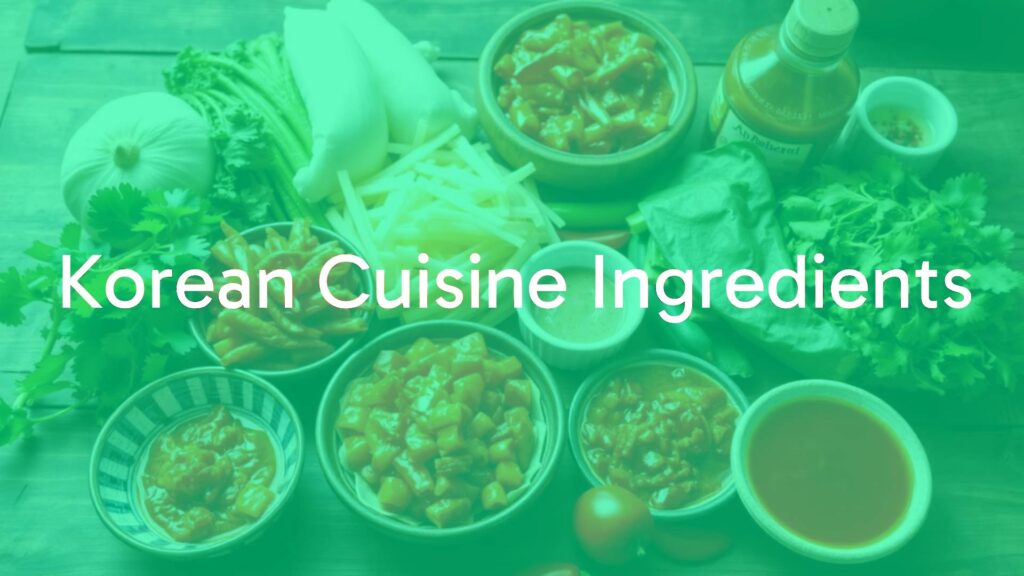
Learning about Korean cooking starts with getting to know the main ingredients used in its dishes. Korean food is recognized for its balance of fermented foods, fresh vegetables, and careful seasoning. Korean recipes often follow traditions and use seasonal produce, with many foods preserved through fermentation. This creates meals that are both healthy and full of taste. From strong-tasting pastes to crisp vegetables, each ingredient helps make the well-loved flavors and smells that people enjoy in Korean food today.
Korean ingredients also show the country’s cultural history, shaped by farming, adapting to the land, and cooking together. The widespread use of fermentation isn’t just about making food taste good; it was also a smart way to keep food fresh through Korea’s changing seasons. This strong tie to the environment means that every meal, whether simple or fancy, reflects a story of tradition, creativity, and respect for what nature gives.

What Defines Korean Cuisine Ingredients?
What Makes Korean Ingredients Unique?
Korean ingredients are different because of the way they’re prepared and the focus on natural flavors. Instead of spices dominating every dish, Korean food gets its flavors by adding layers with fermented sauces and other ingredients. The most important are the “jang” trio-gochujang (red chili paste), doenjang (soybean paste), and ganjang (soy sauce)-each bringing a different taste, from spicy and sweet to savory. These are more than just seasonings; they improve dishes through fermentation, bringing richness and umami (savory taste). Even Korean chili flakes (gochugaru) have a smoky, mild sweetness that makes them stand out from Western chili powders, so they’re essential in Korean recipes.
Korean produce is also unique. For example, Korean radish (mu) is sweeter and crunchier than Japanese daikon, making it perfect for kimchi and side dishes. The perilla leaf tastes a bit like anise and is used to add freshness to meat or stew. Picking and using these special ingredients gives Korean food its fine and complex flavors, which sets it apart from other Asian cuisines.
How Do Seasonality and Fermentation Influence Ingredient Choices?
Korean recipes are closely tied to the seasons and often rely on fermentation. Korea has four clear seasons, and this affects what ingredients are used. Spring is a time for young greens and seafood, summer brings many vegetables and fruits, fall is for grain harvest, and winter means people depend on stored and fermented foods to get by during the cold.
This led to the widespread use of fermentation to keep food longer. Kimchi is the most famous example, but there are also fermented soybean products like doenjang and gochujang, and fermented seafood called jeotgal. Fermentation not only keeps food edible but also brings out deeper flavors and adds helpful bacteria and nutrients. The strong, savory taste common in many Korean dishes comes from these old fermentation techniques, turning basic foods into flavorful and nourishing staples. Working with a living pantry that is always changing through fermentation is one thing that makes Korean cooking stand out.

Main Types of Korean Cuisine Ingredients
Korean food uses a wide range of ingredients, each adding to its well-known taste. These can be grouped into several main types, which make up the base of any Korean kitchen. From salty to sweet, and from fresh to preserved, knowing about these main types helps you learn how to cook Korean meals.
The wide range of foods eaten in Korea shows just how much variety there is, so whether you’re making soup or side dishes, you often use a broad mix of flavors and textures, leading to meals that are always interesting and well-balanced.
Fermented Sauces and Pastes
Fermented sauces and pastes are at the center of Korean cooking. Called “jang,” these include gochujang (spicy chili paste), doenjang (soybean paste), and ganjang (soy sauce). Gochujang is spicy and sweet, doenjang is earthy and savory (different from Japanese miso), and ganjang ranges from salty and light for soups to darker for general use. These aren’t just for dipping but are used in the cooking process to add strong flavors to stews, marinades, and more.
Other important pastes include chunjang (black bean paste) and ssamjang (a dipping sauce made from other Korean pastes). How these are made-with traditional fermentation-shows how important food preservation and taste development are in Korean food. These fermented items make Korean food different from many others, each providing unique flavors made through time and careful methods.

Grains, Noodles, and Rice Cakes
Short-grain white rice is the base of most Korean meals. Often served as “bap,” this rice is fluffy, a little sticky, and slightly sweet. Other grains like barley, black rice, and sweet/glutinous rice are also used, sometimes mixed in for added taste and nutrition. These grains are a key part of the meal, carrying the taste of other dishes.
Noodles are also popular. Dangmyeon are sweet potato glass noodles that become chewy and clear when cooked, often found in japchae. Thin wheat and buckwheat noodles are used in soups or cold dishes. Rice cakes, or tteok, come in various shapes and textures, from chewy pieces for tteokbokki (a street snack) to different forms used in soups and desserts. These ingredients all help fill out and thicken Korean meals, fitting both simple and festive foods.

Vegetables, Fruits, and Wild Greens
Korean food uses lots of fresh vegetables, sometimes as a main part of the dish. Napa cabbage and Korean radish are essential for kimchi. Perilla leaves and other greens are wrapped around meats, used in stir-fries, or eaten raw, adding freshness. Garlic, ginger, and green onions form many dish bases. Bean sprouts bring crunch, and various mushrooms like enoki and king oyster give a meaty, earthy taste.
Korea’s mountains also offer wild greens and roots like fernbrake (gosari) and bellflower root (doraji), which are often foraged, seasoned, and served as side dishes. Fruits like Korean pear and jujubes are used for their sweetness, either in marinades or as snacks and desserts. These plant-based items show Korean food’s focus on freshness and its use of the land’s natural gifts.
Seafood and Sea Vegetables
Korea, surrounded by sea on three sides, makes great use of seafood and sea vegetables. Dried anchovies (myeolchi) are key for making soup stocks, often paired with kelp (dasima) for a deep flavor. Fresh fish, shellfish, and seaweed (gim/laver) are common, eaten grilled, in soups, or used in dishes like kimbap. Miyeok (sea mustard) is often used in seaweed soup, bringing nutrition and soft texture. Salted and fermented seafood (jeotgal) adds strong, savory flavors to dishes like kimchi and stews.
Meats and Animal Products
While vegetables and fermentation are important, meats also have a big part in Korean food. Beef (especially sirloin or tenderloin) is used in bulgogi and japchae. Beef short ribs (galbi) are popular both grilled and braised. Pork belly (samgyeopsal) is a BBQ favorite, and other pork cuts are used in stir-fries and stews. Chicken appears in soups like samgyetang and in stir-fries. Other animal products include offal, blood sausage (sundae), and eggs-all adding taste, texture, and protein to meals.

Spices, Sauces, and Oils
Korean food relies on a handful of spices and sauces to build its unique flavors. Gochugaru (chili flakes) is key for the red color and mild heat in kimchi and spicy stews. Sesame oil has a deep, nutty flavor and is used as a finishing touch, while perilla oil is slightly earthier. Sesame seeds, both whole and crushed, add crunch and garnish. Vinegars and cooking wines help balance flavors and soften meats. The common mix of garlic, ginger, and green onion is at the base of many savory dishes, making these not just optional, but necessary for real Korean taste.

Seeds, Nuts, and Dried Fruits
Though not used as much as pastes or fresh vegetables, seeds, nuts, and dried fruits all add extra taste and texture to Korean dishes. Toasted sesame seeds are a common garnish, either whole or ground. Perilla seeds are sometimes ground to thicken soups. Pine nuts are sprinkled on special dishes and desserts. Dried fruits like jujubes and persimmons are found in desserts and teas or are used to sweeten marinades. These ingredients, while used in small amounts, help round out the taste of many Korean foods.
Sweeteners and Syrups
Korean food uses sweeteners mainly to balance out other strong flavors, not to make dishes super sweet. Traditional sweeteners come from fruit juice or grain syrups like rice syrup (ssal-jocheong), which is thick and a bit malty. Corn syrup is also used, mostly for its shine and mild sweetness. Oligo syrup is a newer, less sweet option. Plum extract (maesil-cheong) is popular for its tart and fruity taste, used in both drinks and as a balance in sauces. Though sugar is used, liquid sweeteners and fruit extracts are more common for that signature Korean flavor.
Fermented Sauces and Pastes in Korean Cooking
At the center of Korean dishes are the fermented sauces and pastes, called “jang.” These aren’t just for extra taste; they shape the flavor and identity of many Korean meals. Their rich, savory, and sometimes spicy profiles are created through long-standing fermentation processes.
Knowing how and when to use these jangs is important for anyone wanting to cook or enjoy Korean food. Each kind brings a different flavor, whether it’s used in a marinade, dipping sauce, or in a stew.
Gochujang: Chili Pepper Paste
Gochujang (고추장) is Korea’s famous red chili paste. Made by fermenting chili powder, glutinous rice, fermented soybean powder, and salt, it’s both spicy and sweet, with a strong, rich taste. It’s not just hot; it also adds a little sweetness and a lot of depth-great for marinades, dipping sauces, and dishes like bibimbap and tteokbokki. To keep it fresh, store gochujang in the fridge after opening.
Doenjang: Fermented Soybean Paste
Doenjang (된장) is a fermented soybean paste a bit like Japanese miso, but usually stronger and earthier in flavor. It’s made from soybeans and salt, aged for months to years. It’s mostly used in stews like doenjang jjigae or as a base in other soups. Some commercial versions add wheat for sweetness, but traditional doenjang is just soy and salt. This paste gives a hearty, savory taste to many classic Korean dishes.
Ganjang: Korean Soy Sauce
Ganjang (간장) is the Korean word for soy sauce, and there are several types.
| Soy Sauce Type | Ingredients | Common Use |
|---|---|---|
| Joseon ganjang (Guk-ganjang) | Soybeans, salt, water | Soups, light in color, very salty |
| Yangjo ganjang | Soybeans, wheat, water | Everyday cooking, marinades, dipping |
| Jin ganjang | Chemically processed | Quick cooking, strong flavor, budget-friendly |
Each type has a specific flavor strength, color, and use. Picking the right one helps your dish taste more traditional.
Chunjang: Black Bean Paste
Chunjang (춘장) is a thick, dark black bean paste mostly used in Jajangmyeon (noodles in black bean sauce). It’s made from roasted soybeans and wheat flour, sometimes with caramel coloring. Chunjang tastes a bit bitter until fried in oil, but then changes to a deep, slightly sweet, and savory flavor. Always fry it before adding it to dishes for the best taste.
Ssamjang: Dipping Sauce
Ssamjang (쌈장) is a well-loved dipping sauce, best known as a side for Korean BBQ meat wrapped in lettuce or perilla leaves. You can buy it ready-made or mix it yourself with doenjang, gochujang, garlic, onion, sesame oil, sugar, and sesame seeds. Ssamjang adds a savory, spicy, and nutty taste that goes perfectly with grilled meats and fresh veggies.
Korean Fish Sauce and Jeotgal
Korean fish sauce (aekjeot) and fermented seafood (jeotgal) are commonly used to add umami and saltiness. Anchovy sauce (myeolchi aekjeot) and sand lance sauce (kkanari aekjeot) are used most for kimchi and soups. Jeotgal includes salt-fermented seafood like clams, squid, and especially shrimp (saewoo jeot), which is mild and sweet. These sauces are very salty, so a small amount goes a long way. They give a sea-inspired taste and help with fermentation in kimchi recipes.
Essential Grains, Noodles, and Rice Cakes
Grains, noodles, and rice cakes are the main carbs in Korean cooking. While rice is the most important, there are many other grains and starches that make Korean food interesting and filling.
Short-Grain White Rice
Short-grain white rice (ssal, 쌀) is the everyday staple. When cooked, it’s sticky but each grain stays separate, with a light shine and a naturally sweet taste. The texture of the rice is important in Korean meals and is considered a point of pride. Japanese sushi rice can be used as a substitute, but Korean rice is preferred when available.
Barley, Black Rice, and Sweet Rice
Other grains like barley are often mixed into rice (“bori-bap”) for a chewier, nuttier dish. Black rice turns white rice purple and adds extra nutrition. Sweet rice (chapssal), also called glutinous rice, is extra sticky and used in rice cakes, stuffed chicken, and desserts.
Dangmyeon: Sweet Potato Glass Noodles
Dangmyeon (당면) are clear, chewy noodles made from sweet potato starch. They’re best known in japchae. They soak up the flavors of sauces well and have a rubbery texture that’s loved in many Korean stir-fries and soups.
Types of Rice Cakes (Tteok)
Tteok (떡) are Korean rice cakes made from glutinous or regular rice flour. They come in lots of shapes and textures; for example, tube-shaped pieces for tteokbokki, and thin slices for tteokguk (rice cake soup). Rice cakes can be grilled, steamed, fried, or enjoyed as sweet treats.
Milled Flours and Starches
Flours and starches help make pancakes, soups, and fried foods. Rice flour and sweet rice flour are used for rice cakes and batters. Sweet potato starch is used for making glass noodles and as a thickener. Cornstarch and potato starch are commonly used for crispy coatings.
Key Vegetables, Fruits, and Mountain Greens
Vegetables have a big place in Korean food-sometimes even making up the main part of the meal. From crunchy radishes to wild mountain greens, these ingredients help bring balance, nutrition, and color to Korean cooking.
Korean Radish (Mu) and Daikon
Korean radish (mu, 무) is shorter, rounder, and sweeter than Japanese daikon, with a greenish top. It’s used in kimchi, side dishes, soups, and can be eaten fresh or dried. While daikon can be used as a substitute, mu has a stronger taste and crunch.
Cabbages and Leafy Greens
Napa cabbage (baechu, 배추) is the main vegetable for classic kimchi, but also used in salads and soups. Perilla leaves (kkaennip, 깻잎) taste herby and are used in wraps or as sides. Other greens like Asian chives and wild herbs are often blanched, seasoned, and served as side dishes (namul).
Bean Sprouts and Garlic
Soybean sprouts (kongnamul, 콩나물) and mung bean sprouts (sukju namul, 숙주나물) add mild flavor and crunch to soups and side dishes. Garlic (manul, 마늘) is plentiful in Korean food, usually added in large amounts for a sharp, strong taste, along with ginger and green onion for stirring up flavor.
Mushrooms: Enoki, King Oyster, and Others
Mushrooms are often used for their earthy flavor and texture. Enoki (paengi-beoseot) are thin and chewy, king oyster (saesongi-beoseot) is thick and savory, and shiitake adds deep flavor to broths and stir-fries. Oyster mushrooms are also common in soups and stews.
Popular Korean Fruits
Fruits aren’t used as much as vegetables but are important in certain dishes. Korean pear (bae, 배) is used to tenderize and sweeten meat in marinades. Jujubes (daechu, 대추) are used in teas, porridges, and some soups, usually dried. Plum syrup (maesil cheong) is fermented and used for its sweet and sour taste.
Mountain Greens and Edible Roots
Korea’s landscape leads to many ingredients being foraged. Fernbrake (gosari, 고사리) is dried, rehydrated, and used in bibimbap and side dishes. Bellflower root (doraji, 도라지) is crunchy and slightly bitter. Mugwort (ssuk, 쑥) is added to soups, rice cakes, and teas. These wild greens and roots bring unique flavors and a taste of Korea’s hills and countryside.
Role of Seafood and Sea Vegetables
Because Korea is surrounded by the sea, seafood and sea vegetables are central to its food. They add rich flavors and nutrition, appearing in everything from broths to garnishes.
Dried Anchovies (Myeolchi)
Dried anchovies (myeolchi, 멸치) are used to make soup bases-large ones for broth, smaller ones are stir-fried for side dishes. Removing the heads and guts before cooking keeps them from tasting bitter. They bring a savory, ocean taste that’s important in many Korean soups and stews.
Kelp (Dasima)
Kelp (dasima, 다시마) is used along with anchovies to make broth for most soups and stews. Kelp has a mild, savory flavor and is sold in dried sheets. It’s usually wiped clean and simmered gently in water for a rich, but gentle, broth.
Fish, Shellfish, and Other Seafood
Fresh fish like mackerel, yellow croaker, and belt fish are grilled or stewed. Clams are added to soups and stews. Squid, octopus, and fish cakes are used in stir-fries and pancakes. Korea’s long coastline means seafood appears in many everyday and festive dishes.
Laver (Gim)
Laver (gim, 김) is dried seaweed that is crispy and savory. It’s used for wrapping kimbap, served as a side dish, or broken over rice and soup. Sometimes it’s simply seasoned and served as a snack.
Fermented and Salted Seafood
Fermented seafood (jeotgal, 젓갈) is used as a seasoning, most commonly in making kimchi but also as a condiment or ingredient in other dishes. The types include liquid fish sauces as well as whole or chopped salt-cured seafood.
Common Meats and Animal-Based Ingredients
Meat isn’t always the main part of a Korean meal, but it’s still important, especially for BBQ and hearty stews. Meat dishes are balanced using sauces and side vegetables for less greasiness.
Beef Cuts and Their Uses
Beef is chosen and cut based on how it’ll be cooked. Thinly sliced sirloin or tenderloin goes in bulgogi. Short ribs (galbi) are used for grilling or braising. Other cuts like brisket go in spicy soups or soy-braised side dishes. See the table below for quick reference:
| Beef Cut | Common Dish |
|---|---|
| Sirloin, Tenderloin | Bulgogi |
| Short Ribs | Galbi, Galbi-jjim |
| Brisket | Beef Soup |
Pork Varieties
Pork belly (samgyeopsal) is the most popular pork cut, mainly for BBQ or boiled wraps (bossam). Pork shoulder and neck are used for spicy dishes or stir-fries, and pork short ribs are marinated and grilled. Thinly sliced pork cooks quickly, making it good for wraps and quick meals.
Chicken and Poultry
Chicken is common-used in soups like samgyetang (chicken with ginseng and sticky rice) or spicy stir-fry (dakgalbi). Korean fried chicken is famous for its crunch, and different chicken parts are used for variety. Duck and other birds are less common but do appear in some special meals.
Offal, Blood Sausage, and Bones
Korean cooking uses almost every part of the animal, including intestines, tripe, and liver in soups and stir-fries for their different textures. Blood sausage (sundae) is made from pig intestines filled with noodles and blood. Bones are used to create creamy, rich broths for soups like seolleongtang.
Eggs and Dairy
Eggs appear in many forms-steamed, rolled omelets (gyeran-mari), stirred into soups, or topping rice dishes. Dairy isn’t traditional but is becoming more common due to modern diets and snacks.
Spices, Condiments, and Oils That Shape Korean Flavor
The main flavors in Korean food come from a select few spices, sauces, and oils. These items are used often, not just for taste but to build the salty, spicy, sweet, and savory layers Korean food is known for.
Gochugaru: Korean Chili Flakes
Gochugaru (고추가루) is an essential spice, giving dishes like kimchi and spicy stews their heat and deep red color. It tastes mildly hot, slightly sweet, and fruity. There are coarse and fine versions-coarse for kimchi and most foods, fine for sauces or pastes. Store in the fridge or freezer so it doesn’t mold or lose flavor.
Sesame Oil and Perilla Oil
Both these oils are used as finishing touches in Korean cooking. Sesame oil is dark, rich, and nutty-added at the end or in dipping sauces. Perilla oil is lighter and has an earthy flavor. Both have low burn points and don’t last long, so they’re usually kept in the fridge. Buy small bottles for better freshness.
Sesame Seeds
Sesame seeds are used on nearly everything, adding crunch and flavor. They taste best roasted and sometimes crushed for stronger aroma. Sprinkled over side dishes, sauces, and even rice, they add a mild nutty note.
Vinegars and Cooking Wines
Vinegar brightens up salads, sauces, and side dishes, especially rice or brown rice vinegar. Vinegared gochujang is used for dipping sauces for fish and blanched veggies. Rice wine (cheongju) is used to tenderize meats and remove gamey smells. Mirin or soju can substitute if needed.
Garlic, Ginger, and Green Onion
These three are used in almost every Korean savory dish. Garlic is often added in large amounts, ginger rounds out the flavor and removes strong smells, and green onions are used in everything from pancakes to soup toppings.
Other Popular Pantry Staples
Korean cooks also use staple ingredients like tofu, special pancake mixes, and frying mixes, making it easier to put together a meal quickly or add texture and protein.
Tofu (Dubu)
Tofu (dubu, 두부) is a main source of protein in soups, stews, and sides. There are three main types:
- Firm tofu (buchim-yong dubu) – good for frying or grilling.
- Soft tofu (jjigae-yong dubu) – used in stews, breaks apart easily.
- Silken tofu (yeondubu) – extra soft, often used in soondubu stew or eaten fresh.
Flours and Batters for Korean Pancakes
Savory pancakes (jeon) use special flour mixes, often including wheat and rice flour. Ready-to-use pancake (buchimgaru) and frying mixes make it simpler to prepare crispy pancakes or deep-fried snacks at home. These products help save time and create the right texture easily.
How to Find and Use Korean Cuisine Ingredients
If you want to cook Korean food at home, you’ll need to stock your pantry with these special items. Many are now available at international supermarkets or Asian grocery stores, and when that’s not possible, online shops are a great option. Here are some simple tips:
Where to Buy Korean Ingredients Locally and Online
Major Korean grocery stores like H-Mart have the widest choice. Asian supermarkets (including Chinese or Japanese) also carry main Korean items like gochujang, gochugaru, doenjang, sesame oil, and noodles. Many regular supermarkets carry a few Korean basics. For those without local access, online shops like SFMart.com or Daeyang.de (in Germany) sell Korean products-just check shipping costs and reviews before buying.
Proper Storage and Preservation
Good storage keeps your Korean pantry fresh and flavorful. Here’s a quick table for guidance:
| Ingredient | How to Store |
|---|---|
| Gochugaru | Fridge or freezer (after opening) |
| Fermented pastes (gochujang, doenjang, ssamjang) | Refrigerate after opening, tightly sealed |
| Soy & fish sauces | Fridge after opening |
| Sesame & perilla oils | Cool, dark place; best in fridge |
| Dried ingredients (anchovies, kelp, gim) | Airtight, cool, dark; fridge or freezer for gim |
| Fresh produce | Veggie drawer for cabbage/radish, cool dry for garlic/ginger |
Substitutes for Korean Ingredients
Sometimes you can’t find a specific Korean ingredient. Here are some common swaps:
- Korean Radish (Mu): Use daikon; flavor will be milder and less crisp.
- Gochugaru: Aleppo pepper powder is closer; regular red pepper flakes are usually too hot or sharp.
- Korean Fish Sauce: Thai or Vietnamese fish sauce works if Korean isn’t available; adjust taste as needed.
- Perilla Leaves (Kkaennip): Japanese shiso leaves are similar in shape but taste a bit different.
- Korean Soy Sauce: Japanese soy sauce (Kikkoman) is an okay substitute for general dishes. For soup soy sauce, mix regular soy sauce with extra salt.
- Rice Wine (Cheongju/Mirim): Japanese mirin or soju/vodka can help, but won’t deliver the same subtle taste.
Using substitutes helps in a pinch, though results might vary. For the most authentic flavor, original Korean ingredients are best whenever you can get them.