Understanding Bulgogi Mandu
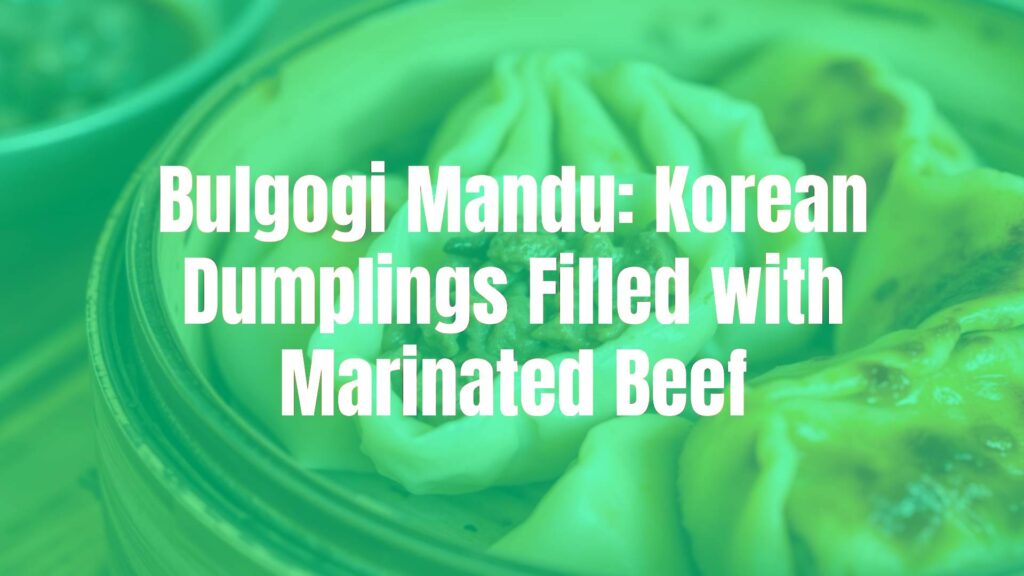
Bulgogi mandu is a flavorful fusion of two beloved Korean dishes: bulgogi (marinated grilled beef) and mandu (dumplings). This unique creation stuffs the savory-sweet taste of bulgogi inside delicate dumpling wrappers, resulting in a dish that is both comforting and rich in tradition. Bulgogi mandu stand out for their juicy, aromatic filling and versatile serving options, making them a popular appetizer, street food, or main course.
Key Characteristics
The signature trait of bulgogi mandu is their aromatic filling, which features thinly sliced beef marinated in a mixture of soy sauce, garlic, sugar, sesame oil, and sometimes additional vegetables like onions or carrots. The filling offers a balance of savory, sweet, and umami flavors typical of bulgogi, wrapped in a tender dough casing. When cooked—whether steamed, pan-fried, deep-fried, or boiled—the dumplings develop various textures, from crisp and golden to soft and juicy.
Historical Roots and Cultural Significance
Mandu have long been a part of Korean cuisine, tracing their origins to exchanges with Central Asian and Chinese cultures centuries ago. Bulgogi, on the other hand, is an iconic Korean marinated beef dish with royal and noble roots. The combination of these two dishes is relatively modern, reflecting Korea’s culinary creativity and evolving tastes. Bulgogi mandu are especially popular in urban areas and are increasingly featured in contemporary Korean restaurants, both within Korea and abroad.
Essential Ingredients
At the heart of bulgogi mandu lies its filling. The beef is typically marinated in a mixture of:
- Soy sauce
- Garlic
- Sugar
- Sessame oil
- Black pepper
- Scallions
- Onion and/or carrot (optional for texture and sweetness)
This mixture is combined with or encased in a thin dumpling wrapper, often made from wheat flour. Some variations also include glass noodles (dangmyeon), tofu, or even mushrooms to enhance flavor and texture.
Popular Variations and Adaptations
Bulgogi mandu can differ widely depending on region and chef preferences. Common variations include:
- Pork or Chicken Substitute: While beef is traditional, some use pork or chicken marinated in a similar style for a different flavor profile.
- Vegetarian Versions: Prepared with tofu, mushrooms, and a soy-based marinade to mimic bulgogi’s signature flavor.
- Serving Styles: Steamed, pan-fried (gunmandu), deep-fried, or simmered in broths (mandu-guk).
- Spicy Bulgogi Mandu: Adding a bit of gochujang (Korean chili paste) for heat.
Serving Suggestions and Pairings
These dumplings are typically enjoyed hot, fresh from the steamer or frying pan. They are often served with a soy-vinegar dipping sauce, sometimes with sliced chili or scallions. Bulgogi mandu are common in banquets, family gatherings, and are a popular street food option. They pair well with light Korean sides (banchan), fresh salads, or a bowl of hot soup. For beverages, try pairing with Korean barley tea, a light lager, or makgeolli (Korean rice wine) for a traditional experience.
In Summary
Bulgogi mandu represent a harmonious meeting of two iconic Korean flavors, resulting in dumplings that are hearty, flavorful, and endlessly adaptable. They offer a taste of both tradition and modern innovation, making them a delightful choice for anyone seeking to explore the variety within Korean cuisine.
