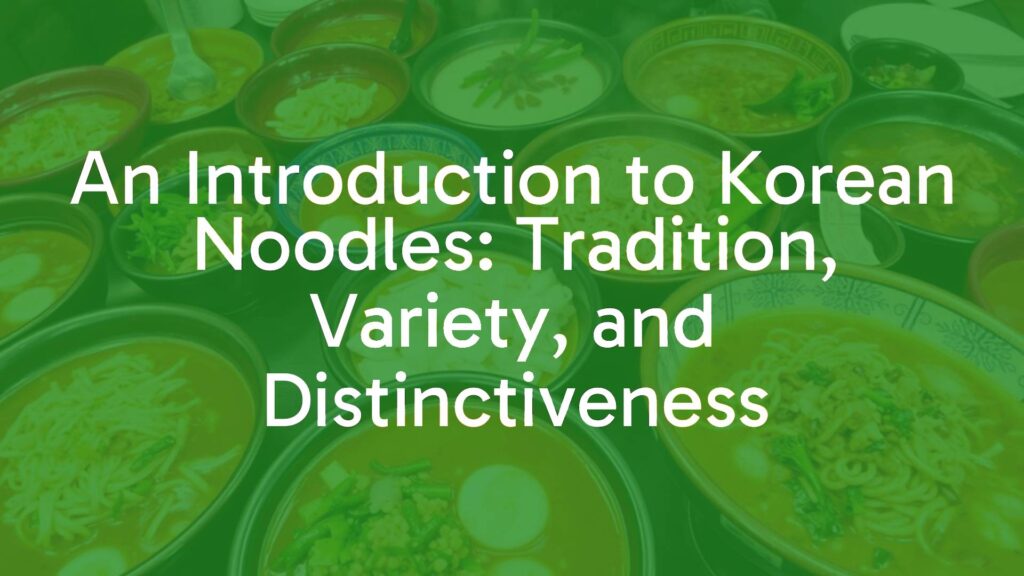
The World of Korean Noodles
Korean noodles, known collectively as “guksu” or “myeon,” play an essential role in the culinary culture of Korea. These noodles encompass a diverse range of shapes, textures, and ingredients, reflecting both traditional flavors and evolving culinary trends. Korean noodle dishes can be enjoyed hot or cold, in broths or dressed with sauces, and are staples at everyday meals as well as special celebrations.
Defining Characteristics of Korean Noodles
What makes Korean noodles unique is their remarkable adaptability and the emphasis on contrasting textures and flavors. Noodles are crafted from ingredients such as wheat flour, buckwheat, sweet potato starch, or even acorns, leading to a variety of distinct noodle types. The choice of noodle is often paired thoughtfully with broths, sauces, or accompaniments, resulting in dishes that range from the hearty and warming to the refreshing and light.
Overview of Popular Types
Some of the most iconic Korean noodle varieties include:
- Jajangmyeon: Wheat noodles topped with a savory black bean sauce, diced pork, and vegetables.
- Naengmyeon: Chewy buckwheat noodles served chilled in a tangy, icy broth or mixed with a spicy sauce.
- Japchae: Stir-fried sweet potato starch noodles blended with a medley of seasoned vegetables and meat.
- Ramyeon: Spicy and comforting instant wheat noodles in a flavorful broth, often enjoyed as a quick meal or snack.
- Kalguksu: Hand-cut, knife-sliced wheat noodles served in a mild, soothing broth, typically with seafood or chicken.
Historical Background and Regional Significance
The origin of noodles in Korea dates back centuries, with references found in historical texts from the Goryeo Dynasty (918–1392). The choice of noodle type and preparation often reflects regional preferences: Naengmyeon is a specialty of the northern regions, particularly Pyongyang, while Kalguksu is celebrated in the south. Noodle dishes often feature at communal gatherings and are associated with longevity, prosperity, and celebration, especially at birthdays and weddings.
Key Ingredients and Preparation
The primary ingredients for Korean noodles vary widely. Wheat flour, buckwheat, and sweet potato starch are the most common bases, each imparting specific qualities to the noodles. Preparation methods include boiling, stir-frying, and even soaking in cold broth. Seasonings range from mild (e.g., anchovy broth, soy sauce) to robust (e.g., gochujang, black bean paste). Toppings often include julienned vegetables, eggs, meats, and seaweed.
Common Variations and Substitutions
Korean noodles offer abundant room for personalization. For gluten-free needs, sweet potato or acorn noodles can substitute for wheat-based varieties. Vegetarian versions abound, relying on mushrooms, tofu, and vegetable-based broths for depth of flavor. Innovations such as kimchi-infused broths or fusion toppings reflect Korea’s evolving food landscape.
Serving Suggestions and Pairings
Korean noodles pair well with classic side dishes like kimchi, pickled radish, and seasoned sprouts. Cold noodle dishes are especially popular in summer, offering a cooling contrast to spicy or grilled mains. Hot noodle soups complement fried foods or rice dishes, while a glass of soju or makgeolli can round out a traditional experience.
Conclusion
Korean noodles are more than just a culinary staple—they are an embodiment of Korea’s rich food heritage and creative spirit. Their endless variety ensures there is a noodle dish for every palate and occasion, making them a beloved fixture in both home kitchens and restaurants across Korea and beyond.
