Understanding Kimchi Stew: Korea’s Comfort in a Bowl
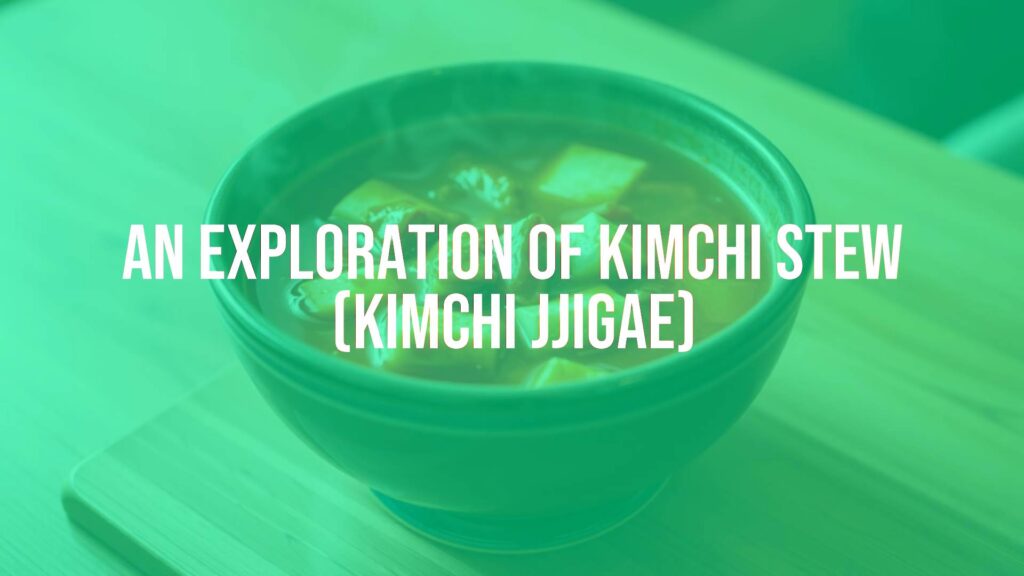
Kimchi stew, known as kimchi jjigae (김치찌개) in Korean, is one of Korea’s most beloved hot pot dishes. Revered for its robust, tangy depth and warming heat, kimchi stew is commonly enjoyed in households and restaurants throughout Korea. Characterized by its signature reddish broth and enticing aroma, kimchi jjigae exemplifies how simplicity and bold flavors converge in Korean cuisine.
Distinctive Qualities of Kimchi Jjigae
Kimchi stew stands out for its uniquely spicy, sour, and umami-rich flavor profile. The dish’s defining ingredient is aged (or “over-fermented”) kimchi, which imparts its signature tang and depth. Combined with various proteins, aromatics, and vegetables, kimchi jjigae is simmered together until the flavors meld, resulting in a deeply satisfying stew. The broth boasts a vibrant red hue from gochugaru (Korean red pepper flakes), with flecks of kimchi and chunks of tofu gently floating beneath the surface.
Historical Roots and Cultural Significance
The origins of kimchi stew can be traced to Korean postwar times, when practical and nourishing meals were essential. As fermented kimchi became a household staple, resourceful cooks repurposed older, sourer batches by simmering them with available proteins and seasonings. Over generations, kimchi jjigae became a fixture in everyday Korean dining, valued both for its comforting properties and its ability to stretch leftover ingredients into a new, hearty meal.
Essential Ingredients and Composition
Beyond the foundational fermented napa cabbage kimchi, the stew commonly features pork belly or shoulder, though it can also include canned tuna, beef, or even seafood. Additional staples such as tofu, green onions, garlic, onion, and mushrooms are frequently added. Seasoning typically incorporates gochugaru (red pepper flakes), gochujang (red pepper paste), soy sauce, and sometimes a touch of sugar to balance acidity. The result is a stew that is at once spicy, savory, and pleasingly sour.
Regional Variations and Ingredient Substitutions
Across Korea, kimchi jjigae takes on subtle local twists. In the southern regions, seafood is more likely to make an appearance, while in Seoul and the north, pork is the meat of choice. Vegetarian versions are common, simply omitting the meat and boosting the umami with additional mushrooms or kelp stock. Substitutions include swapping firm tofu with soft soon tofu for a silkier texture, or using beef, chicken, or even Spam for protein. For a milder stew, less red pepper powder can be used, and some cooks add rice cakes for extra heartiness.
Serving Traditions and Pairings
Traditionally, kimchi jjigae is served bubbling hot in a stone or earthenware pot, often alongside bowls of steamed white rice. The stew is a staple of communal meals, where diners use metal chopsticks and spoons to enjoy its comforting broth and savory toppings. Popular food pairings include banchan (Korean side dishes) such as pickled vegetables, seasoned spinach, and fried eggs. As for beverage companions, chilled Korean soju or a light lager complement the stew’s robust flavors.
Enduring Appeal
Kimchi stew exemplifies the adaptability and resourcefulness of Korean home cooking. Whether experienced as a rustic family meal or in a bustling city restaurant, kimchi jjigae remains a vibrant symbol of Korean comfort food—its assertive taste and warming qualities making it a perennial favorite during chilly evenings or whenever a nourishing, flavorful dish is called for.
