Understanding Spicy Korean Ramen
Spicy Korean ramen is a beloved and iconic comfort food known for its bold flavors and its capacity to deliver heat and satisfaction in a single bowl. Characterized by its vibrant red broth, springy noodles, and addictive spiciness, this dish has won admirers both in Korea and around the world. While ramen originally hails from Japan, Korean adaptations have given it a distinctive flair by emphasizing searing chili heat, garlic, and a range of hearty toppings.
The Flavor, Texture, and Appearance of Spicy Korean Ramen
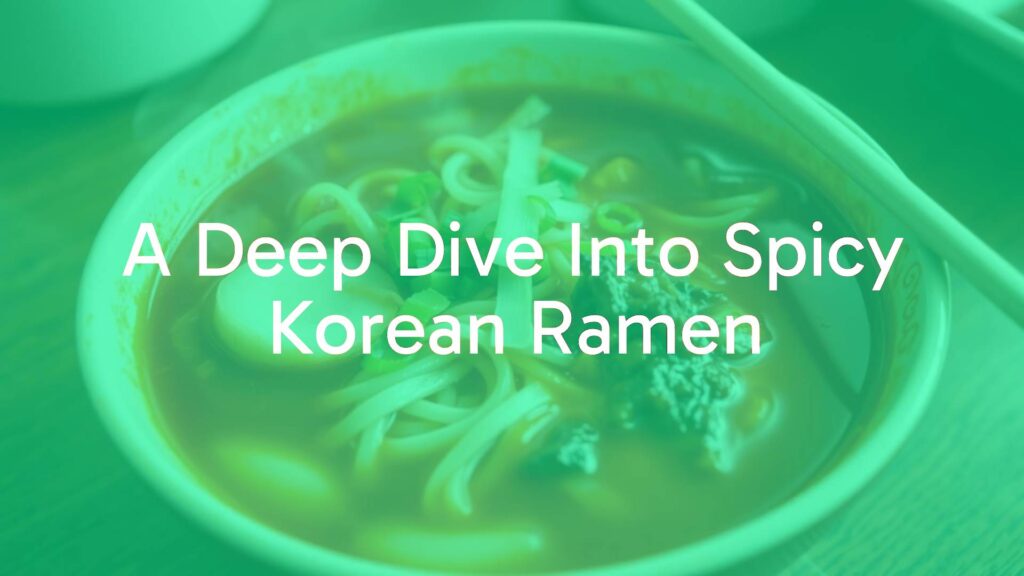
What sets spicy Korean ramen apart is its intensely flavored broth, often bright red from the use of gochugaru (Korean chili flakes) and gochujang (chili paste). The broth typically strikes a harmonious balance between savory, spicy, and umami—sometimes with subtle sweet or tangy undertones. The noodles are usually chewy and elastic, offering a satisfying bite that holds up well in the hot broth. Hearty garnishes, such as sliced scallions, fish cakes, kimchi, or even a soft-boiled egg, enhance the overall experience and give the bowl an eye-catching appearance.
Origins and Historical Influence
The story of spicy Korean ramen begins in the 1960s, when instant ramen was first imported from Japan to Korea. Korean food manufacturers rapidly developed their own versions, incorporating local flavors and preferences for spicy food. By the late 20th century, spicy ramen varieties like the famous “Shin Ramyeon” had become household staples, forever embedding spicy Korean ramen within the country’s culinary landscape. Its popularity correlates with Korea’s love for fiery chili dishes and the convenience culture that began to flourish during periods of rapid modernization.
Key Ingredients That Define the Dish
At its core, spicy Korean ramen consists of five main elements:
- Ramen Noodles: Chewy, wheat-based noodles designed to remain firm even when steeped in hot broth.
- Broth Base: A savory, spicy broth typically made with a combination of chili powders, aromatics (such as garlic and onion), flavored oils, and soy sauce.
- Gochugaru and Gochujang: Korean red chili powder and fermented chili paste are responsible for the signature heat and complex flavor.
- Dried Vegetable Flakes: Commonly included in instant ramen packets, these rehydrate to add texture and nutrition.
- Toppings: Common additions include boiled egg, green onions, sliced kimchi, seaweed, and sometimes sliced meats or cheese.
Common Variations and Ingredient Swaps
Spicy Korean ramen is highly customizable. Variations might include the addition of:
- Seafood: Mussels, shrimp, or squid enhance the oceanic depth of the broth.
- Kimchi: Kimchi ramen adds a tangy, fermented note and even more kick.
- Cheese: Melting a slice of processed cheese into the soup balances out the spiciness and creates a creamy texture.
- Vegetarian Alternatives: For a meatless version, mushroom or vegetable broths work well as substitutes.
- Homemade Variations: While instant ramen is most common, some opt to cook from scratch using fresh noodles and homemade broths.
Serving Suggestions and Pairings
Spicy Korean ramen is traditionally served steaming hot, often in the same pot it’s cooked in. For a more complete meal, side dishes like kimchi, pickled radish, or pan-fried dumplings (mandu) are popular accompaniments. As a beverage pairing, cold barley tea or a refreshing soda can help temper the heat. For those seeking an extra kick, a side of spicy pickles or additional chili paste allows for tuning the spice to personal preference.
Cultural Significance and Modern Popularity
Spicy Korean ramen holds a special place in the hearts of many Koreans, representing quick comfort during busy times and evoking nostalgia for student days or late-night gatherings with friends. Whether enjoyed as a solo snack or a shared dish, it continues to inspire creative culinary twists and remains a fixture in Korean pop culture and beyond.
