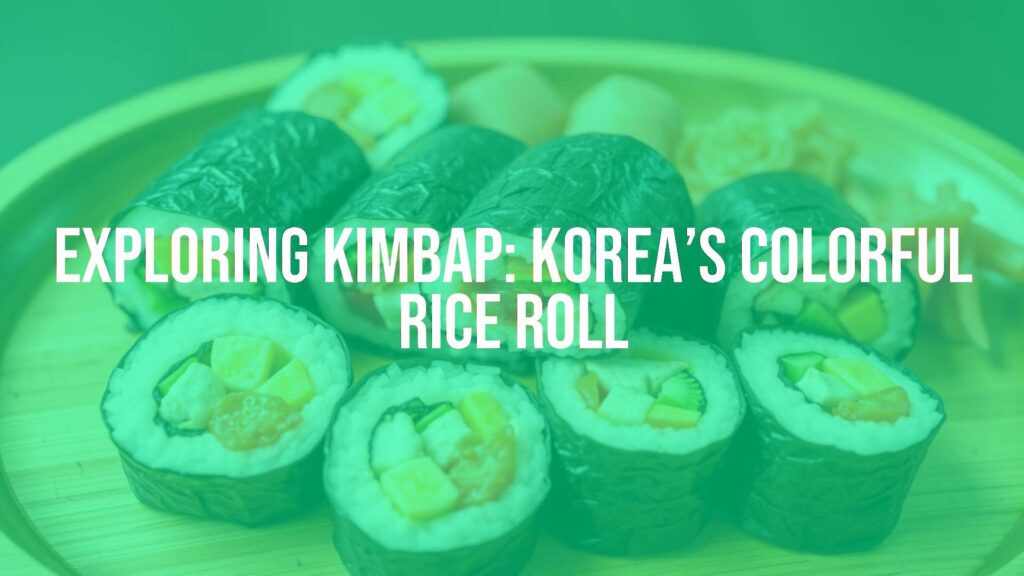
What is Kimbap?
Kimbap (also spelled gimbap) is a celebrated and tasty staple of Korean cuisine, instantly recognized by its vibrant cross-sections of rice, assorted fillings, and seaweed wrapper. This beloved dish resembles sushi in appearance but diverges in its flavor profile, preparation, and cultural role, making it uniquely Korean.
Distinctive Features of Kimbap
Kimbap is crafted by layering and rolling steamed white rice (often seasoned with sesame oil and salt), a variety of meats, eggs, fresh and pickled vegetables, and sometimes cheese or fish cakes onto a sheet of dried seaweed (gim). Each roll is sliced into bite-sized discs that are visually appealing, packed with color and texture. The dish is characterized by a mild, nutty, and slightly sweet flavor from the rice and fillings, with a hint of crispness from pickled radish (danmuji) and the umami undertones of seaweed.
Historical Background and Cultural Roots
While kimbap shares a resemblance with Japanese sushi rolls, it has distinct origins and evolved to suit local tastes and ingredients. Kimbap became particularly popular in Korea during the 20th century as a convenient, portable food ideal for picnics, travels, and school lunchboxes (dosirak). Its wide array of fillings reflects the dish’s adaptability and Korea’s knack for innovation with available ingredients. In contemporary Korea, kimbap is a ubiquitous snack sold at street stalls, convenience stores, and specialty shops.
Regional Importance
Kimbap is enjoyed throughout the Korean peninsula, with minor regional adaptations influencing its contents and size. Coastal regions may incorporate seafood, while inland or metropolitan areas might showcase modern fillings such as bulgogi (marinated beef) or spicy kimchi, demonstrating the dish’s versatility.
Core Ingredients
The essential elements that define kimbap are:
- Dried seaweed sheets (gim)
- White short-grain rice (lightly seasoned)
- Assorted fillings such as julienned carrots, spinach, pickled radish, omelet strips, crab stick, and seasoned beef or ham
The combination and proportion of these ingredients offer endless customization while preserving the core identity of the dish.
Popular Variations and Substitutions
Kimbap’s adaptability means there are many beloved variations, including:
- Chamchi Kimbap: Filled with tuna salad and crisp vegetables.
- Bulgogi Kimbap: Featuring sweet and savory marinated beef.
- Vegetarian Kimbap (Yachae Kimbap): Omitting meat for a veggie-forward roll.
- Mayak Kimbap: Literally “addictive” mini kimbap, often served with mustard and soy-based dipping sauce.
Ingredient substitutions are common; brown rice, quinoa, or even kimchi rice can replace the traditional white rice. Gluten-free seaweed or vegan fillings are also popular for dietary needs.
Serving and Pairing Suggestions
Kimbap is typically consumed as a casual light meal, snack, or picnic food. Its portability and neat packaging make it an ideal companion to outdoor excursions and busy routines. Kimbap is often paired with simple accompaniments such as soup (e.g., tteokguk or clear broth), kimchi, or pickled vegetables. For beverages, light teas or a refreshing, chilled barley tea complement the mild flavors of kimbap perfectly. In some home or restaurant settings, it may also be enjoyed with a splash of makgeolli (Korean rice wine) or beer.
Conclusion
Kimbap stands as a vibrant embodiment of Korea’s culinary creativity—versatile, nutritious, and visually striking. Its endless filling options cater to both tradition and trend, ensuring its place on tables and lunchboxes for generations. Whether shared at a bustling street market or artfully prepared at home, kimbap unites taste, convenience, and culture in every colorful bite.
