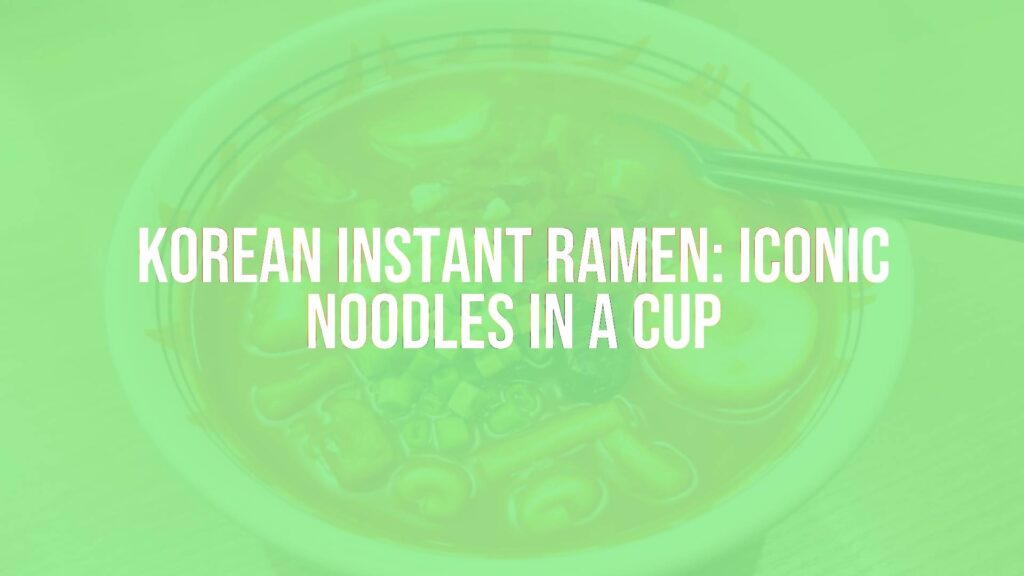
Understanding Korean Instant Ramen
Korean instant ramen holds a special place not only in the Korean dining experience but also on the global stage of comfort food. Recognized for its bold flavors, satisfying chew, and sheer convenience, instant ramen is a quick-preparation noodle dish enjoyed by people of all ages across South Korea and beyond.
Origins and Historical Perspective
Instant ramen first arrived in South Korea in the early 1960s, adapting the Japanese concept to suit local tastes. Over time, Korean companies began innovating with spicier seasonings, chewier noodles, and unique toppings, creating a distinctly Korean take on the dish. Its affordability and speed made it a household staple during periods of economic growth and hardship alike, fostering nostalgic associations and cultural rituals around its preparation and enjoyment.
Signature Features
Korean instant ramen stands out for its punchy, often spicy flavor profile, usually derived from a mixture of chili pepper, garlic, and fermented notes in the powdered soup base. The dried, wheat-based noodles are characteristically thick and springy, retaining an enjoyable al dente texture after cooking. Packets often include dehydrated vegetables or protein bits, adding both flavor and texture. The steaming bowl, bright red broth, and aromatic steam are the hallmarks of this dish’s appealing appearance.
Essential Ingredients
The core components of Korean instant ramen are fried (sometimes air-dried) wheat noodles, a seasoning packet bursting with umami and spice, and a garnish mix—typically dried scallions, bits of seaweed, carrot, or even freeze-dried meat. The soup base frequently uses gochugaru (Korean red chili flakes) or gochujang (fermented chili paste) to achieve its bold taste.
Popular Variations and Regional Influences
While spicy ramen dominates the market, flavors range from creamy cheese blends and milder seafood or beef broths to ultra-hot challenges boasting Scoville scale ratings. Some regional varieties incorporate local specialties, such as busan eomuk (fish cake) or specialty kimchi blends. There are also “jjapaguri” (ramdon)—an internet-famous combination of black bean and spicy ramen, and upgraded versions with premium ingredients or healthier, non-fried noodles.
Serving Suggestions and Pairings
Korean instant ramen is commonly served straight from the pot or in its own container, sometimes with a cracked egg stirred in during cooking, extra vegetables, cheese slices, or a handful of chopped scallions. Many enjoy pairing ramen with kimchi, pickled radish (danmuji), or even a cold beverage like barley tea or light beer to offset the heat. For a heartier meal, it’s not uncommon to add dumplings, rice cakes, or leftover meat.
Ingredient Swaps and Personalization
As a highly adaptable dish, instant ramen welcomes creative substitutions: gluten-free noodles, vegetarian seasoning packets, or additional proteins like tofu can easily be swapped in. The instant nature of the meal encourages personalization, making each bowl a unique culinary expression.
Cultural Significance Today
From on-the-go snacks to late-night comfort food, Korean instant ramen has evolved into a cultural icon and a canvas for culinary experimentation. Whether enjoyed solo or shared among friends, it remains a testament to the enduring appeal of simple, satisfying food.
