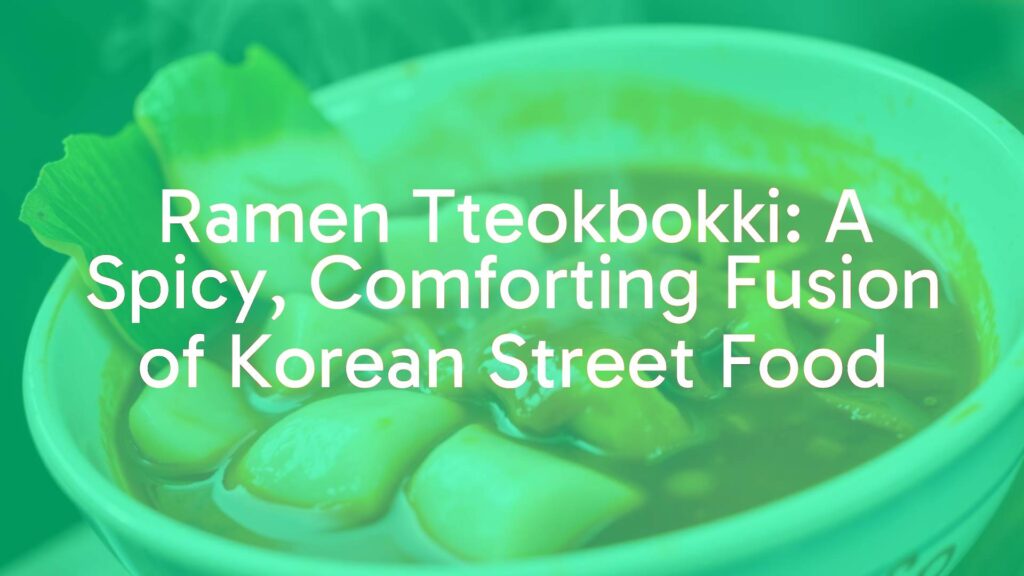
Introducing Ramen Tteokbokki
Ramen Tteokbokki (라면 떡볶이) is a bold and flavorful evolution of Korea’s beloved spicy rice cake dish, tteokbokki. By combining the signature chewy rice cakes (tteok) with springy instant ramen noodles (ramyeon), this hybrid dish creates an irresistibly hearty and satisfying comfort food that has become especially popular among younger Koreans and street food enthusiasts.
Distinctive Characteristics
What sets ramen tteokbokki apart is its combination of pleasingly soft rice cakes and the wavy, slightly chewy texture of ramen noodles, all brought together in a thick, fiery-sweet gochujang-based sauce. This pairing results in a diverse mouthfeel—the chewiness of the tteok merged with the slurp-worthy nature of ramyeon—which makes each bite dynamic and memorable. The dish is typically finished with a rich, glossy red appearance, thanks to the chili paste, often with frothy bubbles on top when served hot and fresh.
Evolution and Popularity
Tteokbokki has deep roots in Korean culinary history, originating as a royal delicacy during the Joseon dynasty before becoming a staple street fare. The practice of adding ramen noodles to the classic tteokbokki sauce started in the late 20th century, influenced by the collectively adored instant ramen culture in Korea. Ramen tteokbokki, sometimes called Rabokki (라볶이), gained traction in school canteens, snack stands, and local eateries, representing casual Korean dining’s playful and adaptable spirit.
Core Ingredients
The essential elements of ramen tteokbokki include:
- Rice cakes (tteok): Typically cylindrical and soft when cooked.
- Instant ramen noodles: Added directly or cooked separately, providing a hearty, filling component.
- Gochujang (Korean red chili paste): The culinary soul of the sauce, offering umami-rich heat and gentle sweetness.
- Fish cakes (eomuk): Sliced thin for additional texture and savory flavor.
- Vegetables: Commonly scallions, cabbage, or onion for aromatic lift and crunch.
- Broth or water: To help cook the ingredients evenly and meld the flavors.
- Sugar, soy sauce, and garlic: Balancing elements to round out the sauce’s flavor profile.
Common Variations and Ingredient Swaps
There is abundant flexibility in ramen tteokbokki, lending itself to regional nuances and personal taste preferences:
- Cheese ramen tteokbokki: Melted mozzarella or processed cheese is sprinkled on top for a creamy twist.
- Seafood additions: Items like shrimp, mussels, or squid can bring a briny depth.
- Vegetarian versions: Omitting fish cakes and using mushroom or kelp broth maintains umami without animal products.
- Spiciness levels: Adjusting gochujang, gochugaru (chili flakes), or even adding chili oil can personalize the heat.
- Different noodle types: Udon or glass noodles may be substituted for a different texture profile.
Serving and Pairing Suggestions
Ramen tteokbokki is typically enjoyed as a shared snack or comforting meal. It’s most often served hot in a shallow pan or bowl, sometimes topped with boiled eggs, extra scallions, or sesame seeds. Popular accompaniments include pickled radish (danmuji) to cut through the richness, and chilled beverages like milk or sweet rice drinks (sikhye) to soothe the palate after the spicy sauce. For those seeking more heartiness, it can be paired with fried dumplings (mandu) or tempura (twigim) on the side.
Why Ramen Tteokbokki Stands Out
This dish merges two icons of Korean cuisine—tteokbokki and instant ramen—delivering a taste experience that is both nostalgic and innovative. The adaptable nature of ramen tteokbokki continues to inspire inventive spins in home kitchens and trend-setting eateries alike, making it a vibrant symbol of Korea’s food culture evolution.
