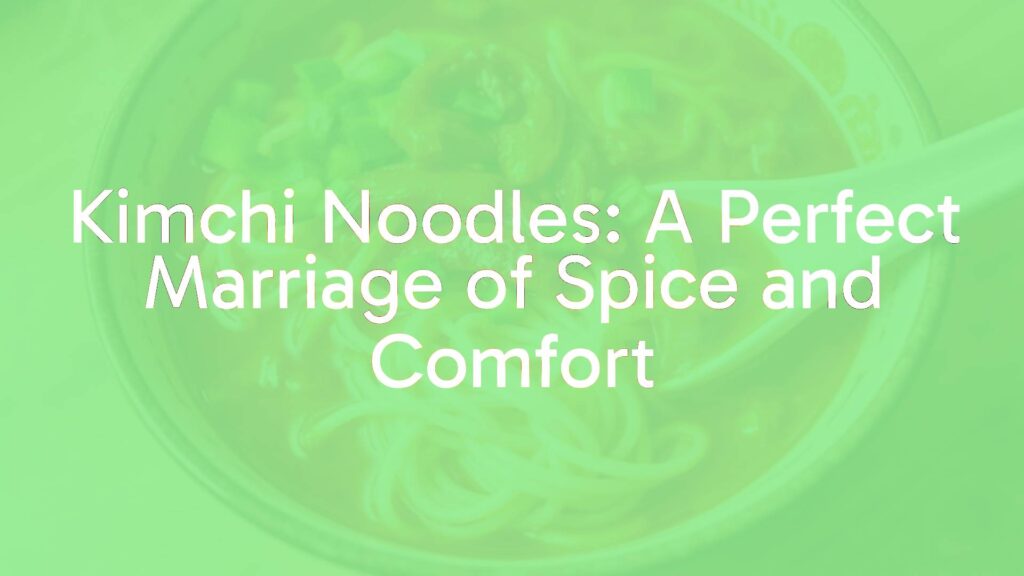
Introduction to Kimchi Noodles
Kimchi noodles, known in Korea as Kimchi Guksu (김치국수) or Kimchi Bibimguksu, are a vibrant fusion that pairs Korea’s famed fermented cabbage (kimchi) with satisfying wheat or buckwheat noodles. This dish is celebrated for its bold flavors, chewy texture, and refreshing, tangy spice, making it a popular choice across the changing seasons.
What Sets Kimchi Noodles Apart?
The defining characteristic of kimchi noodles is the harmonious blend of bouncy noodles and kimchi’s unmistakable zest. Depending on the preparation, the dish can be enjoyed cold or warm. A cold version offers relief during hot summers with its cool, invigorating taste. In contrast, steaming bowls of kimchi noodle soup provide quick comfort in winter. The spiciness and tang of mature kimchi, sometimes accented by gochujang (Korean red chili paste), give the noodles an iconic reddish hue and piquant character.
Origins and Cultural Significance
Kimchi noodles emerged from Korea’s practical yet creative culinary traditions, where leftovers and pantry staples are regularly transformed into bases for new meals. Though the exact origin of kimchi noodles is unclear, its popularity grew alongside Korea’s noodle culture and the everyday presence of kimchi at the table. Especially during the summer, fast, cold dishes like kimchi noodles became a staple among students, workers, and busy families needing quick, satisfying fare that could cool them down and boost their appetites.
Key Ingredients and Preparation
Central to this dish is a generous portion of well-fermented kimchi, finely chopped for texture and even distribution. The noodles typically used are somen (thin wheat noodles) or memil guksu (buckwheat noodles), both prized for their slippery texture and ability to absorb seasonings. The sauce dressing often combines gochujang, soy sauce, sesame oil, vinegar, sugar, garlic, and sometimes a splash of kimchi brine, balancing spicy, sour, sweet, and savory notes. Thinly sliced cucumber, boiled eggs, roasted seaweed, and sesame seeds commonly garnish the dish, adding freshness and crunch.
Common Variations
While the classic kimchi noodles use wheat-based somen, variations abound. Some cooks swap in chewy udon, glass noodles, or whole wheat varieties for special textures. For added protein, shredded chicken, canned tuna, or tofu may be included. Vegetarian versions skip anchovy- or beef-based broths for simple vegetable ones, maintaining the bold flavor profile. In the southern provinces, an extra dash of sugar may be favored, lending a more pronounced sweet-and-spicy balance. Conversely, the North favors brinier, less sweet renditions with milder kimchi.
Serving and Pairing Suggestions
Kimchi noodles are often served in large, shallow bowls to showcase their colorful toppings and ease of mixing. For cold versions, the noodles and toppings are thoroughly chilled and assembled just before serving. Soupy variants may pour hot or warm broth over the assembled ingredients. This dish pairs well with mild banchan (side dishes) like pickled radish or blanched spinach, which counterbalance the heat. Traditional Korean barley tea or chilled sweet rice punch (sikhye) often accompany the meal, providing a refreshing palate cleanser.
Kimchi Noodles in Modern Korean Cuisine
Today, kimchi noodles maintain their popularity both at home and in trendy Korean eateries worldwide. They’re a symbol of Korean culinary flexibility, embodying the ethos of making delicious, satisfying fare from staples at hand. Whether enjoyed for a quick lunch or a communal supper, kimchi noodles exemplify the punchy, craveable flavors that have propelled Korean food to a global stage.
