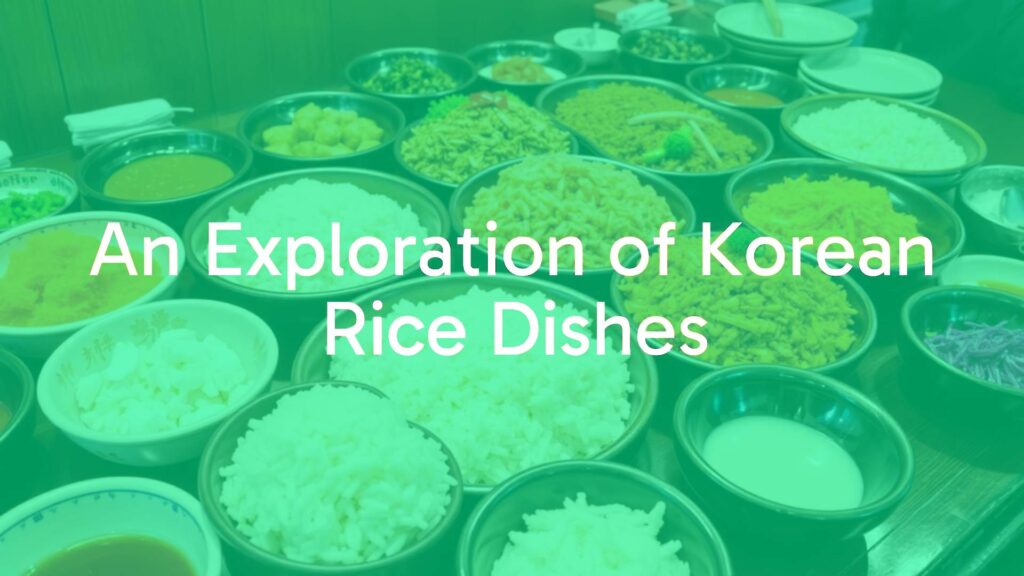
Understanding Korean Rice Dishes: A Culinary Cornerstone
Rice has long stood at the heart of Korean cuisine, not merely as a staple food but as an essential element that shapes daily meals, special occasions, and the nation’s culinary identity. Korean rice dishes, collectively called bap or bap-juk, showcase the diversity and depth of Korea’s food culture, ranging from humble bowls of steamed rice to vibrant, ingredient-packed mixed rice creations.
The Foundation of Korean Meals
Plain steamed white rice, or baekbap, forms the basis for most Korean meals. However, the country’s repertoire of rice dishes goes far beyond simplicity, embracing an astonishing variety of preparations, textures, and flavors. In Korea, rice is not just a side—it anchors the meal, complemented by bountiful banchan (side dishes), soups, and stews.
Key Characteristics and Flavor Profiles
Korean rice dishes are recognized for their versatility and ability to harmonize with bold, savory, spicy, or fermented flavors. Whether served as a blank canvas to absorb accompanying flavors or seasoned and mixed thoroughly, rice adapts to countless forms. The texture may vary from fluffy and light to sticky and chewy, depending on the dish and the type of rice or grains blended into it.
Hallmark Dishes and Signature Styles
- Bibimbap (Mixed Rice): Colorful and nutritious, bibimbap features steamed rice topped with an assortment of seasoned vegetables, meats, a fried egg, and spicy gochujang (chili paste), then vigorously mixed before eating.
- Bokkeumbap (Fried Rice): Korean fried rice typically utilizes leftover rice, stir-fried with vegetables, meats, kimchi, and sometimes topped with a runny egg.
- Dolsot Bibimbap: Served in a hot stone bowl, this variation creates a crispy, golden rice crust at the bottom known as nurungji.
- Kongbap (Rice with Beans): Nutritious blends of white rice with legumes or various grains, reflecting regional traditions and nutritional values.
- Juk (Rice Porridge): Comforting and mild, jok is a slow-cooked rice porridge made with various grains, meats, seafood, or pumpkin, often served to those recovering from illness or seeking warmth.
Historical and Regional Context
Rice cultivation in Korea traces back several millennia, shaping not only diets but social customs and even language. In some regions, local ingredients influence rice dishes—Jeonju is celebrated for its rich version of bibimbap with local bean sprouts, while coastal provinces often add seafood to their rice preparations. The form and content of rice dishes also reflect Korea’s agricultural diversity and the priorities of different historical eras, such as the emphasis on mixed grains during times of scarcity.
Essential Ingredients and Common Additions
Short-grain white rice is the classic base, prized for its slightly sticky yet distinct texture. However, brown rice, black rice, barley, millet, and beans may be introduced for added nutrition and flavor. Vegetables (spinach, fernbrake, carrots, zucchini), various proteins (beef, chicken, pork, tofu), and iconic condiments like gochujang or soy sauce regularly appear. For porridge and some steamed rice blends, nutty sesame oil and roasted seeds play a prominent role.
Popular Variations, Substitutions, and Pairings
Modern interpretations of Korean rice dishes cater to diverse diets, swapping traditional white rice for multigrain or even cauliflower rice. Vegetarian and vegan adaptations are widespread, especially with bibimbap and bokkeumbap. For added depth, some use kimchi or fermented bean pastes for seasoning, while for lighter meals, seafood or tofu are common alternatives. Korean rice dishes pair excellently with side dishes like kimchi, pickled vegetables, or savory soups. Beverages such as barley tea or mild rice drinks like sikhye serve as popular accompaniments.
Serving Traditions and Enjoyment
Rice is often enjoyed steaming hot, served communally or in individual bowls. In celebratory settings, elaborate rice dishes signal abundance and care, while in everyday life, a simple bowl of rice represents comfort and welcoming hospitality. Whether as an understated supporting actor or the main attraction, Korean rice dishes offer endless opportunities to delight the senses and explore the flavors of Korea.
