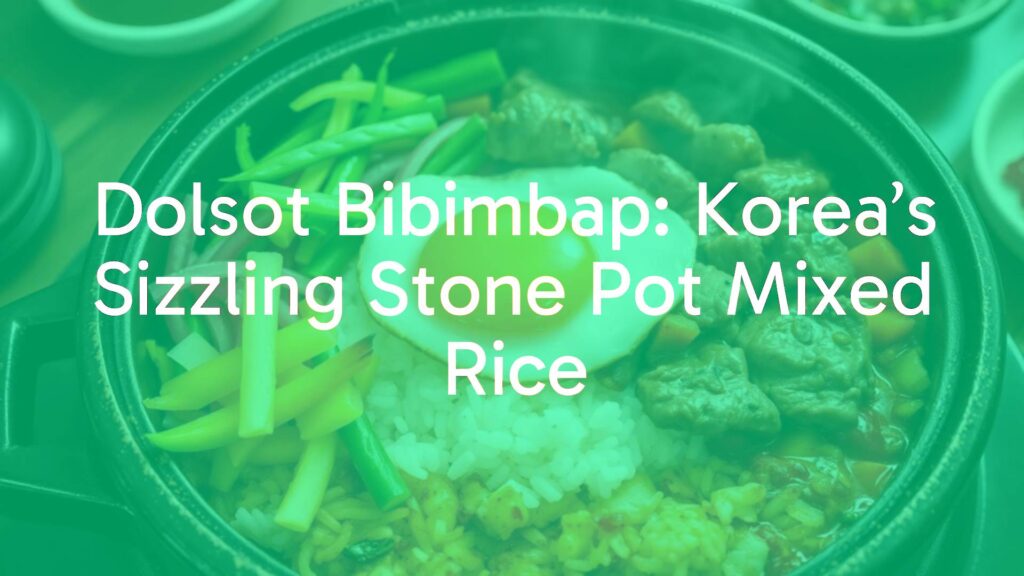
Understanding Dolsot Bibimbap
Dolsot bibimbap (돌솥 비빔밥) is a cherished Korean dish that takes the classic bibimbap experience to another level by serving it in a hot stone bowl. The word “dolsot” means “stone pot,” and this heated vessel is central to the dish’s distinctive character, delivering a satisfying medley of textures, aromas, and flavors in every bite.
The Essence of the Dish
Dolsot bibimbap is celebrated for its theatrical presentation: a variety of fresh, seasoned vegetables, tender marinated beef (or tofu for a vegetarian version), and a sunny-side-up or raw egg are artfully arranged over a bed of steamed rice. Unlike regular bibimbap, dolsot bibimbap arrives at the table sizzling hot, and diners mix the ingredients just before eating. The stone bowl creates a golden, crispy layer of scorched rice (nurungji) on the bottom—a highly coveted highlight.
Historical and Cultural Roots
Bibimbap as a category traces its origins back centuries, featured in royal feasts as well as humble home meals. The dolsot variety is a comparatively modern innovation, gaining widespread popularity in the 20th century as Korean restaurants sought to serve bibimbap with extra drama and texture. The dish is enjoyed throughout Korea, but is especially associated with the city of Jeonju, known for its elaborate and ingredient-rich versions. The stone pot tradition is closely tied to Korea’s heritage of using earthenware and stone in cooking.
Core Ingredients
While there is room for creativity in toppings, dolsot bibimbap is typically built from the following components:
- Rice: Steamed short-grain white rice forms the hearty base.
- Assorted Vegetables: Common options include bean sprouts, spinach, carrots, fernbrake (gosari), zucchini, and mushrooms, each seasoned separately.
- Protein: Slices of marinated beef (bulgogi), chicken, or tofu.
- Egg: A raw or fried egg is placed atop the bowl, its yolk enriching the mix when stirred.
- Gochujang: Korean spicy-sweet red pepper paste is served on the side or in the center for added heat and umami.
- Sesame Oil and Seeds: Drizzled in for depth of flavor and aroma.
Notable Variations and Ingredient Swaps
Dolsot bibimbap’s flexibility is one of its appeals. Ingredient substitutions are common, especially to cater to dietary needs. Brown rice or multigrain rice may be used for a healthier twist. Vegetarians can omit meat in favor of tofu or extra mushrooms, while seasonal greens or local vegetables adapt the dish to what is freshest. Seafood versions, featuring sliced fish or shrimp, occasionally appear in coastal areas.
Sensory Experience: Flavor, Texture, and Appearance
The hallmark of dolsot bibimbap lies in its contrast of textures—the soft, warm rice and vegetables mingled with crispy nurungji. The combination of spicy, earthy, and subtly sweet notes from gochujang and sesame oil ensures a rich, balanced profile. Visually, the dish is a vibrant mosaic of colors, inviting you to stir and create your own custom blend of flavors with every bite.
Serving Suggestions and Pairings
Dolsot bibimbap is typically served bubbling hot, and should be mixed quickly to prevent burning. Accompanying side dishes (banchan) like kimchi, pickled radishes, or soup are standard. For drinks, Korean barley tea or a mild rice wine (makgeolli) complement the meal, enhancing the overall experience.
Conclusion
Dolsot bibimbap encapsulates the spirit of Korean cuisine—celebrating harmony, variety, and a love of sharing meals. Its crackling presentation, complex flavors, and comforting warmth have made it an enduring favorite both in Korea and around the world.
