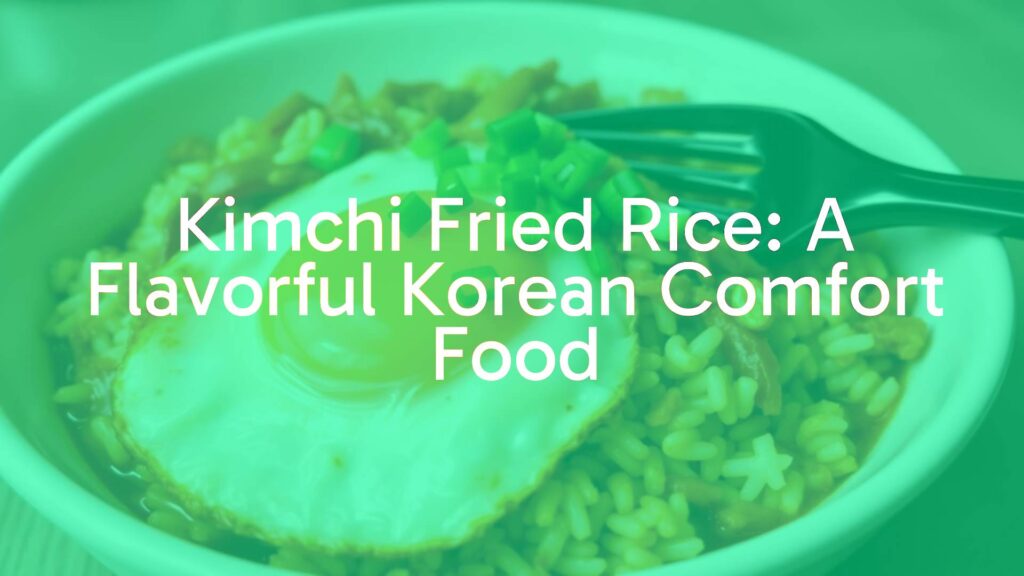
Introduction to Kimchi Fried Rice
Kimchi fried rice, or Kimchi Bokkeumbap (김치볶음밥), stands out as one of Korea’s quintessential comfort foods. This savory, spicy dish is beloved for its ability to turn humble leftovers into a satisfying meal. Bursting with umami-rich flavors, kimchi fried rice offers a creative and delicious use for Korea’s iconic fermented cabbage alongside rice and assorted add-ins.
Defining Characteristics
The soul of kimchi fried rice lies in its bold flavor profile—tangy, spicy, and slightly sour thanks to well-fermented kimchi. The rice is typically stir-fried to achieve a pleasant chew and slight crispness, with each grain coated in the vibrant reddish hue of kimchi and gochujang (Korean chili paste). Additional ingredients such as diced pork, beef, spam, or tofu may be incorporated to enrich flavor and add texture. Often, a fried egg sits atop the final dish, offering a creamy contrast to the fiery rice beneath.
Historical Context and Cultural Significance
While the exact origins of kimchi fried rice are difficult to pinpoint, it gained popularity as an economical way to repurpose leftover rice and aging kimchi—both household staples. As refrigeration became more common and rice cookers proliferated in Korean homes in the twentieth century, turning surplus ingredients into a delicious fried rice became a widespread practice. Today, kimchi bokkeumbap is especially popular among students, office workers, and families for its convenience and robust flavor.
Key Ingredients and Variations
The core elements of kimchi fried rice are straightforward: steamed rice (preferably day-old), well-fermented napa cabbage kimchi, and aromatic seasonings such as garlic, scallions, and sesame oil. Gochujang is a frequent addition for depth and heat, while soy sauce may add extra savoriness. Proteins like pork belly, ground beef, spam, or tofu are often chopped and sautéed before the rice is incorporated.
Common variations abound, reflecting personal preference and available leftovers. Some recipes include vegetables like carrots, onions, or zucchini for added texture and color. Cheese-topped kimchi fried rice is increasingly popular in modern Korean eateries, while some versions swap out white rice for brown rice or mixed grains. For a vegetarian option, skip the meat and ensure kimchi is made without seafood-based seasonings.
Serving Suggestions and Pairings
Kimchi fried rice is typically served piping hot, often with a fried or poached egg on top. A light sprinkle of roasted sesame seeds or chopped green onions adds a finishing touch. The dish pairs well with mild, cooling side dishes such as plain yogurt, pickled radish, or a light miso soup. For drinks, a cold Korean barley tea (boricha) or even a crisp lager-style beer can complement the dish’s spicy intensity.
Why Kimchi Fried Rice Endures
Kimchi fried rice’s enduring popularity lies in its flexibility, bold flavors, and resourcefulness. It turns leftovers into a crowd-pleasing creation and showcases the complexity of Korean fermented cuisine. Whether enjoyed as a quick lunch or a late-night snack, kimchi bokkeumbap never fails to satisfy both the palate and the soul.
