Exploring Kimchi Ramen
Kimchi ramen is a beloved Korean dish that artfully fuses the deep, fermented flavors of kimchi with the comforting slurp of ramen noodles. Known for its vibrant red broth and savory, tangy profile, this dish is a modern classic in both Korean households and restaurants. As an excellent representative of culinary fusion, kimchi ramen captures the essence of traditional Korean ingredients while delivering the universally comforting appeal of ramen.
Defining Characteristics
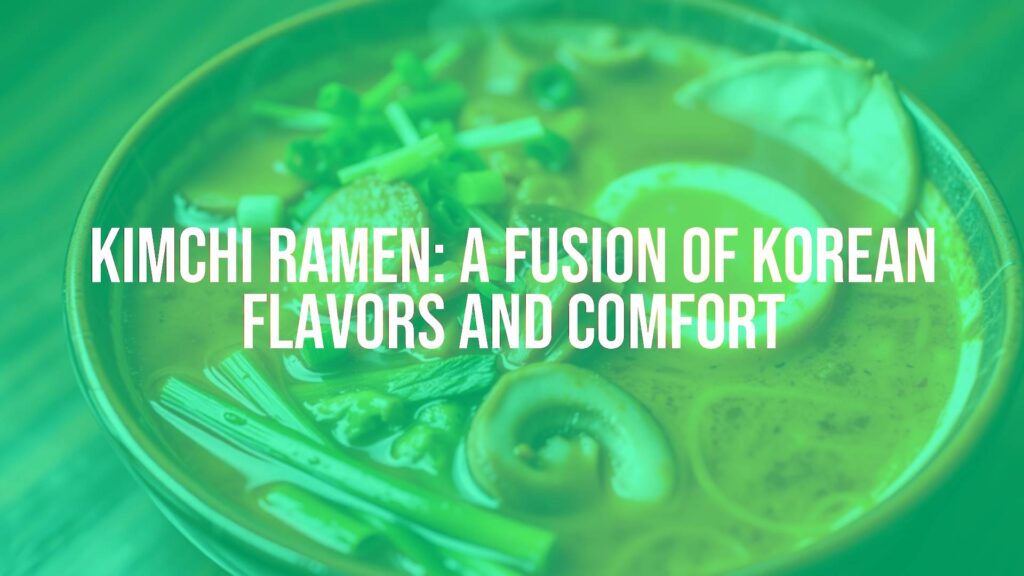
The hallmark of kimchi ramen lies in its bold, spicy broth, which gets its signature flair from kimchi—the iconic Korean fermented cabbage. The broth is typically rich with umami and often tinged a deep orange-red by chili paste (gochujang) or chili flakes (gochugaru). Springy wheat-based noodles add a contrasting chewy texture, while toppings like sliced green onions, mushrooms, and soft-boiled eggs bring layers of flavor and richness.
Historical and Cultural Context
While ramen originated in Japan and became popular in Korea as instant noodles (ramyeon) in the 1960s, kimchi ramen evolved as a popular comfort food during the latter half of the 20th century. As Korea embraced instant noodles, home cooks and street vendors began adding kimchi to ramyeon, creating this uniquely Korean variation. Today, it is a staple among students, busy professionals, and late-night diners seeking hearty satisfaction.
Core Ingredients
Essentially, kimchi ramen combines the following foundational elements:
- Kimchi: Usually baechu (napa cabbage) kimchi, providing fermentation-driven tang and spice.
- Ramen Noodles: Preferably Korean-style instant ramyeon noodles, known for their chewy texture.
- Broth: A base of water or stock, often enhanced with kimchi juice, soy sauce, garlic, and gochujang.
- Proteins and Vegetables: Optional additions can include sliced pork, tofu, mushrooms, or greens.
Flavors, Appearance, and Texture
Kimchi ramen stands out for its vivid color—thanks to spicy seasonings and kimchi—as well as its enticing aroma of fermented vegetables and garlic. The flavor profile is a harmonious blend of spicy, sour, and savory, punctuated by pleasing noodle chewiness and crisp-tender vegetable bites. A soft egg often adds a creamy, cooling element to balance the heat.
Common Variations and Ingredient Tips
Kimchi ramen offers plenty of room for creativity. Popular recipes might feature seafood such as clams or shrimp for added depth, or swap in tofu for a vegetarian-friendly bowl. Some enjoy a heartier broth with added pork belly or beef brisket, while others stick to a lighter, veggie-forward version. Ingredient substitutions can include using gluten-free noodles for dietary needs or experimenting with different kimchis for varied flavor intensity.
Serving Suggestions and Pairings
Most often served piping hot, kimchi ramen makes for a soul-warming meal, especially in colder months. Common garnishes include scallions, toasted sesame seeds, nori sheets, or a dash of sesame oil for extra fragrance. For side dishes, consider pairing with simple banchan like pickled radish or steamed greens. Beverage-wise, a light Korean beer or a cool glass of makgeolli (rice wine) can help temper the dish’s spiciness.
Conclusion
Kimchi ramen is a shining example of how culinary innovation can bridge cultures, blending the characterful flavors of Korea with the universal appeal of noodle soup. Whether enjoyed as a quick snack or a hearty dinner, its comforting warmth and complex tang make it a perennial favorite among spice lovers and noodle enthusiasts alike.
