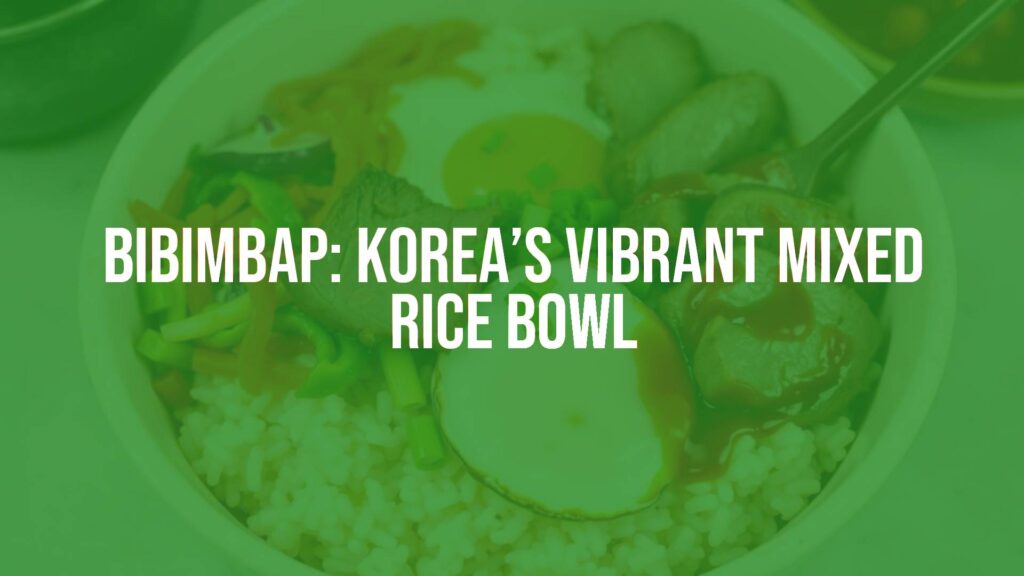
Understanding Bibimbap: Korea’s Iconic Mixed Meal
Bibimbap, translating literally to “mixed rice,” is one of Korea’s most celebrated and visually striking dishes. Renowned for its harmonious blend of flavors, textures, and colors, bibimbap represents both the rustic roots and refined artistry of Korean cuisine.
The Core Elements of Bibimbap
At its essence, bibimbap brings together a warm bed of steamed rice with a selection of seasoned vegetables (namul), slices of protein (often beef or a fried egg), and a dollop of spicy-sweet gochujang (Korean red chili paste). All ingredients are arranged beautifully atop the rice before being vigorously mixed together immediately before eating. This medley yields a dish that is as pleasing to the eye as it is to the palate—offering contrasts between crisp and tender, spicy and savory, warm and cool.
Origins and Cultural Significance
The origins of bibimbap are traced back to the late Joseon Dynasty, though mixed rice dishes have an even earlier history in Korea. Traditionally, bibimbap was consumed on the eve of the Lunar New Year, as a way to use up leftover side dishes. Over time, it gained status as a symbol of balance and unity, and today it is enjoyed across the country and internationally. The city of Jeonju is especially famous for its distinctive varietal, often credited as the birthplace of contemporary bibimbap.
Key Ingredients and Their Roles
A classic bibimbap features a diverse mix of:
- Rice: Usually white short-grain rice, though brown or multigrain rice may be used.
- Namul (Vegetables): A colorful array such as sautéed spinach, bean sprouts, carrots, fernbrake, and zucchini.
- Protein: Sliced marinated beef (bulgogi), grilled chicken, tofu, or a fried or raw egg.
- Gochujang: Essential for bibimbap’s characteristically tangy-spicy kick.
- Sesame oil and seeds: Drizzled on top for aroma and nutty taste.
Distinct Preparation and Presentation
The hallmark of bibimbap lies in its arrangement: vegetables and protein items are laid out in segments or neat piles atop a rice base. Some variations, known as dol sot bibimbap, are served in scorching hot stone bowls, creating crispy, golden rice at the bottom and keeping the dish piping hot.
Regional and Modern Variations
While Jeonju-style bibimbap typically includes raw beef and more elaborate garnishes, regions like Jinju and Tongyeong showcase their own interpretations with local seafood or unique local greens. Beyond tradition, contemporary additions—like avocado, mushrooms, or vegan adaptations—demonstrate bibimbap’s versatility and enduring appeal.
Pairings and Serving Tips
Bibimbap is often accompanied by a selection of kimchi and simple broths or clear soups. For beverages, mild barley tea (boricha) or a light Korean rice wine (makgeolli) make suitable companions, balancing the heat of the gochujang.
Final Thoughts
Bibimbap is not just a meal—it’s a celebration of color, flavor, and texture. Whether presented in rustic home kitchens or high-end restaurants, its dynamic composition invites customization and communal enjoyment, firmly establishing its place at the heart of Korean culinary culture.
