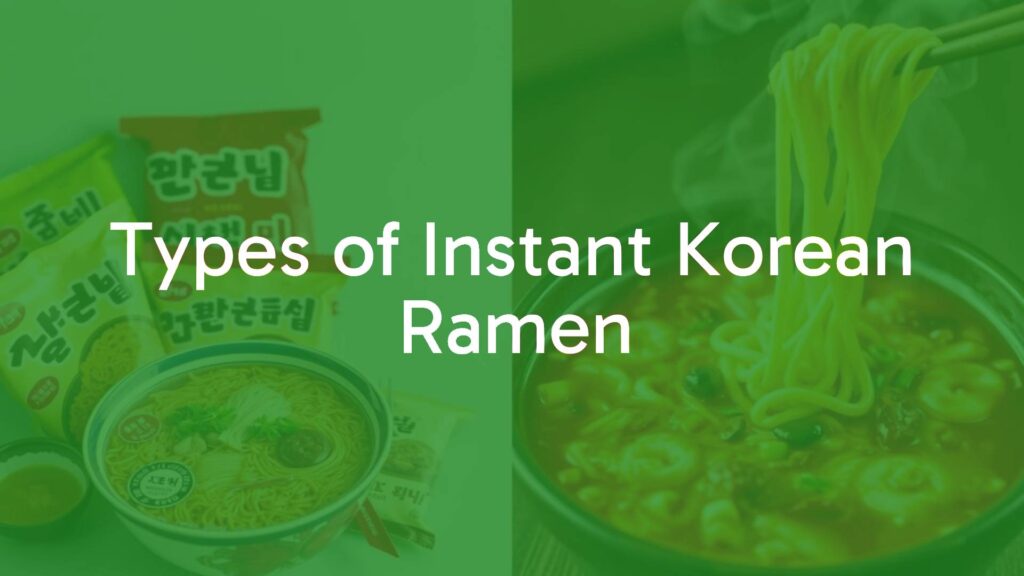
Looking for a fast, tasty, and often spicy meal? Instant Korean ramen, also known as “ramyun” or “ramyeon” in Korea, is a popular choice. Despite what some may think, there’s a huge range of flavors, textures, and spice levels to choose from. Whether you love spicy food, seafood flavors, or prefer something mild and warm, there’s a Korean instant ramen for you. This article explains the different types, so you’ll know what to look for in stores or online.
What Are Instant Korean Ramen Noodles?
Instant Korean ramen noodles are quick and easy meals, enjoyed around the world for their low price and wide variety of flavors. These are usually made from wheat flour and sold in packets or cups with dried noodles, flavor packets (powder or liquid), and sometimes dried vegetables. They’re simple to prepare-just add hot water or cook for a few minutes on the stove. What makes them special is the deep flavor and the many styles to choose from.
Today, instant Korean ramen isn’t just “fast food.” Many people use it as comfort food or as a base to get creative, adding extras like eggs, vegetables, or meat to make the meal bigger and tastier.
What Makes Korean Instant Ramen Different?
Korean instant ramen stands out from other instant noodles because of its strong flavors and often high spice levels. Red pepper is a key ingredient in many types, giving the noodles a red color and a spicy kick. Some varieties are very spicy, while others are not. Besides the spice, Korean ramen noodles are generally thicker and chewier compared to others-they hold up well in the soup or sauce. The seasoning often takes ideas from traditional Korean dishes, like beef bone soup, spicy seafood stews, or black bean noodles. Selling points are the full, rich flavors and the hearty dried vegetables or even pieces of seafood and meat included in the package.

Ramen vs. Ramyun vs. Ramyeon: What’s the Difference?
Sometimes the names are confusing. “Ramen” usually refers to the Japanese noodle dish, which often takes a long time to make fresh, with different broths and toppings. While there is instant Japanese ramen, “ramen” mostly means the Japanese kind.
In Korea, “ramyun” and “ramyeon” both refer to the country’s instant noodles. The difference is just in how the Korean word 라면 is spelled in English-both are correct and mean the same thing. Korean ramyun was invented as instant food, quick to make and easy to eat at home, school, or work. So, if you want to talk about the Korean version, “ramyun” or “ramyeon” is more accurate, but people often just use “Korean ramen.”
What Types of Instant Korean Ramen Are There?
Korean instant ramen comes in many types. You can find different flavors, spice levels, and textures. Here are some of the main types:
Spicy Red Broth Ramen (Shin Ramyun Style)
- These have a famous bright red broth, thanks to lots of red pepper powder.
- Usually, these noodles have a savory, beefy soup with onion, garlic, and mushroom flavors.
- Popular examples include Nongshim Shin Ramyun, Ottogi Jin Ramen (red package), and Ottogi Yeul Super Spicy Ramen.
- Great for people who enjoy a strong spicy taste with rich, complex flavors. The noodles are usually chewy and thick.
Seafood Flavored Ramen
- These use seafood flavors like anchovy, kelp, or squid in the broth.
- They can be mild or spicy, similar to Korean seafood stew (jjamppong).
- Nongshim Neoguri (known for thick noodles and real seafood pieces) and Ottogi Jin Jjambbong are popular examples.
- These often come with dried seafood and vegetables for extra taste and texture.
Mild and Non-Spicy Ramen
- Not all Korean ramens are spicy! Some are quite gentle and comforting.
- Paldo Gomtang offers a beefy, clear broth (like ox-bone soup) with thin noodles and a mild, garlicky taste.
- Other choices: Samyang Original (mild beef flavor) and Ottogi Sesame Ramen (nutty and a bit sweet with eggs).
- Best for people who want a warm meal without strong heat.
Soy Sauce and Black Bean Ramen (Jjajangmyeon)
- Based on the Korean-Chinese jjajangmyeon dish. No soup; instead, noodles are mixed with a thick, sweet, and savory black bean sauce.
- Famous examples: Nongshim Chapagetti and Paldo Jjajangmen (the latter has lots of sauce and vegetable bits).
- Full of umami and very different from most brothy noodles.

Cheese and Creamy Ramen Varieties
- These combine spicy noodles with cheese or creamy powder for a rich, smooth taste.
- Samyang Buldak Carbo is popular-spicy with a sweet, creamy cheese powder.
- Paldo Cheese Noodle is another good choice, with a cheesy broth and spicy kick.
- You can add extra cheese slices for an even creamier meal.
Dry Stir-Fried Ramen
- No soup-these noodles are tossed with thick sauce or seasoning after cooking.
- Samyang Buldak Bokkeum Myeon (“fire noodles”) are the most famous, known for extreme spiciness.
- Great for people who like chewy noodles and a strong, direct flavor.
Cold and Bibim Ramen
- Eaten cold and usually spicy, with a tangy, gochujang-based sauce.
- Paldo Bibimmen is a top pick-cook the noodles, rinse them in cold water, then add the zingy sauce.
- Refreshing, especially on hot days, with a sharp, sweet-spicy flavor.
Vegetarian and Vegan Korean Ramen
- As more people avoid animal products, there are now plant-based options.
- Nongshim Soon Veggie Noodle Soup is vegan and has a light vegetable broth.
- Always read the package to be sure, since recipes can change in different regions.
Halal-Certified Ramen
- Some Korean ramen is made to meet Halal standards for Muslim consumers.
- Look for the Halal certification mark on the packaging. Availability can change depending on country or store.
Popular Instant Korean Ramen Varieties and What Makes Them Special
Here’s a table showing some of the best-known instant ramen types from Korea, along with what makes each one unique.
| Name | Main Features | Spice Level | Special Notes |
|---|---|---|---|
| Shin Ramyun | Spicy beef soup, chewy noodles, red broth | High | Most famous Korean ramen worldwide; also has a “Black” version with bone broth |
| Samyang Buldak Bokkeum Myeon | Dry, extremely spicy stir-fried noodles | Very high | Known as “fire noodles”; became viral online |
| Ottogi Jin Ramen | Comes in mild (blue) and spicy (red), beef broth | Low or medium | Great for those who want to choose spice level |
| Neoguri | Thick noodles, seafood broth, includes some real seafood | Medium | Featured in the “Parasite” movie combination dish “Chapaguri” |
| Chapagetti | Dry noodles, black bean sauce (jjajangmyeon flavor) | None | Non-spicy; often combined with Neoguri for Chapaguri |
| Bibimmen | Cold, sweet, and spicy noodles; no soup | Medium | Refreshing for hot weather |
| Teumsae Ramyun | Extra spicy, soup-based, no meat/seafood pieces | Very high | For serious spice lovers |
| Paldo Cheese Noodle | Cheese-flavored, spicy soup, thick noodles | Medium | Popular with extra cheese added |

Flavor and Texture Differences in Instant Korean Ramen
Korean instant noodles are not all the same. Let’s look at what affects taste and texture:
What Affects the Spicy Taste?
- Spiciness comes mainly from Korean chili powder (gochugaru) and chili paste (gochujang).
- The amount and strength of chili in the seasoning packets decides the heat level.
- Some noodles are mild or leave out chili for more subtle, savory broths. Others (like Samyang Buldak) are made for maximum heat.
- Some types include chili oil for extra spice and wok flavor.
How Do Broth Styles Change the Flavor?
- Spicy Red Broth: Classic and common in Korea. Uses beef or mushroom base plus chili for rich, hot soup (Shin Ramyun, Jin Ramen).
- Seafood Broth: Tastes like the ocean. Can be spicy or mild, with flavors from dried fish, kelp, or squid (Neoguri, Jin Jjambbong).
- Mild/Bone Broth: Non-spicy and hearty, with rich and milky soup (Paldo Gomtang).
- Black Bean Sauce: Not soup. Thick, dark sauce coats noodles (Chapagetti, Jjajangmen).
- Creamy/Cheese Sauce: Modern recipes combine chili with creamy or cheesy flavors for a rich, mellow broth (Samyang Buldak Carbonara).
Noodle Types and Texture
- Medium-thick, chewy: Most popular for soup-based noodles (Shin Ramyun, Jin Ramen).
- Thick, udon-like: For hearty seafood types; chewier and more filling (Neoguri).
- Flat or wavy: More surface area for sauce or broth (Jin Jjambbong).
- Slightly thick, square: Used in dry or sauce-based noodles (Samyang Buldak).
- Thin: Used for mild types or cup noodles; cooks very fast (Gomtang).
Cooking noodles for slightly less time keeps them chewier since they will soften further after adding soup or sauce.

Common Questions About Instant Korean Ramen
Is All Korean Ramen Spicy?
No, not all types are spicy. While many are known for heat, there are several non-spicy or mild options. Always read the package. Some have special labels to show if they are spicy or not.
Are There Options for Special Diets?
Yes. There are vegetarian, vegan, and Halal choices. Nongshim Soon Veggie Noodle Soup is a vegan-friendly option. For Halal, check for the certification symbol. Gluten-free options are rare but might become more available in the future. Always check labels before buying.
What Is the Most Popular Instant Korean Ramen?
Shin Ramyun by Nongshim is the top selling and best-known Korean instant noodle, both in Korea and around the world. Other stars include Samyang Buldak Bokkeum Myeon (for extreme spice) and Ottogi Jin Ramen (for all-around flavor and value).
How Is Korean Instant Ramen Different from Japanese Instant Ramen?
- Origin: “Ramen” is Japanese (often fresh, with longer prep time), while “Ramyun/Ramyeon” refers to Korean instant noodles.
- Flavor: Korean versions are mostly spicy with red pepper. Japanese instant noodles focus more on deep, savory broths like miso or shoyu, often with less heat.
- Noodle style: Korean noodles are usually thicker and chewier.
- Extras: Koreans often add eggs, cheese, or veggies directly to the pot; Japanese ramen toppings are usually served after the soup is cooked.
Both have their fans, but Korean instant ramen is loved for its strong flavors and the ease of making a hot meal in minutes.
