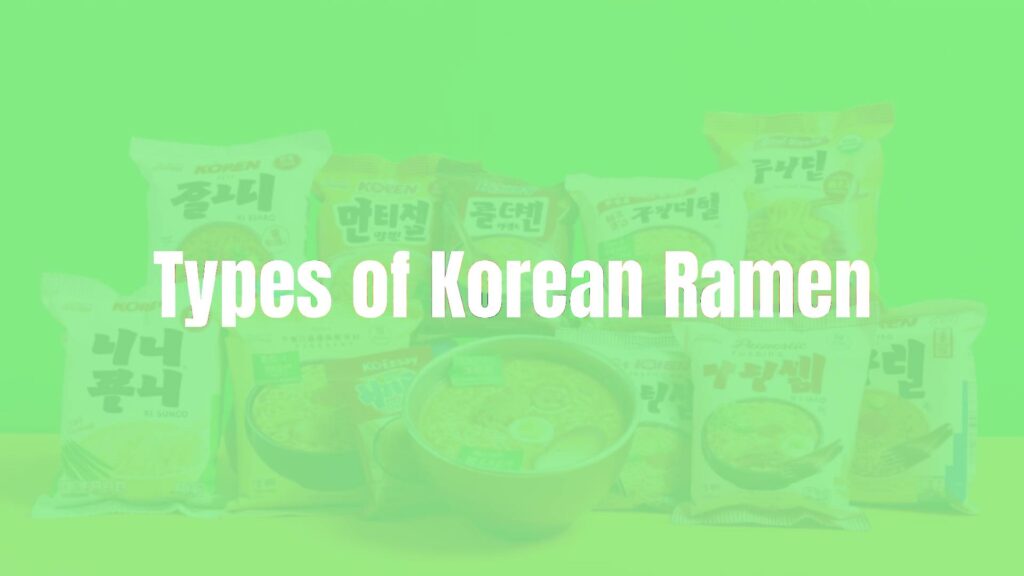
Korean ramen-often spelled ramyeon-is a popular instant noodle dish loved in Korea and all over the world. While many people think of Korean ramen as a quick, spicy meal, it actually comes in a wide variety of flavors and forms. Some are rich and mild, some are seafood-based, and some are even enjoyed cold. This guide will help you learn about the different kinds of Korean ramyeon, their main ingredients, and which brands make the best-known styles.

What Is Korean Ramen (Ramyeon)?
Korean ramyeon refers to instant noodles that are easy and quick to prepare. It first appeared in the 1960s after the Korean War, when instant noodles became a cheap and filling food option. Today, ramyeon is a beloved comfort food, with the average South Korean eating around 80-90 packages per year. A standard packet usually includes fried or dried noodles, seasoning or sauce packets, and dried vegetables or flakes.
Although it starts as a simple meal, Koreans often add extras like eggs, vegetables, cheese, meat, or seafood to make ramyeon more filling and tasty. The noodles are usually cooked in a pot, and some people buy special pots made just for ramyeon. These pots fit the noodles well and heat up quickly, making the process even easier.
How Is Korean Ramen Different from Japanese Ramen?
A lot of people wonder about the difference between Korean ramyeon and Japanese ramen. Japanese ramen is usually made fresh, with broth that simmers for many hours and soft noodles. It focuses on deep, meaty, or salty flavors but is usually not very spicy.
Korean ramyeon is made to be instant and quick. It’s known for its bold, spicy flavors, often using lots of red pepper for heat and color. While Japanese ramen focuses on careful broth preparation, Korean ramyeon stands out for being spicy, convenient, and fast to make, thanks to its instant noodles and seasoning packets.

Main Ingredients in Korean Ramen
Korean ramyeon usually contains:
- Dried Noodles: Most are made from wheat flour and fried so they cook quickly. Noodle thickness can vary based on the type.
- Seasoning or Sauce Packets: These give the noodles their flavor. Broth-style noodles come with seasoning powder; dry-style noodles come with liquid sauce. Flavors often include red pepper, onion, mushroom, seaweed, and other seasonings.
- Dried Flakes: These are small pieces of vegetables, and sometimes seafood or meat, that add texture and taste to the meal-like scallions, carrots, mushrooms, or even bits of squid.
Some packets also include extras like chili oil for more spice or cheese powder for a creamy taste.
Main Types of Korean Ramen
Korean ramyeon isn’t just about spicy red soup-it comes in many forms to suit all tastes. Here are the main types:
Spicy Ramyeon
This is the most famous kind. These noodles are noted for their spicy, bold flavors, often made with lots of red pepper powder. Well-known examples include Nongshim’s Shin Ramyun and Ottogi Yeul Super Spicy Ramen. They’re popular for their warming, intense heat and deep taste.

Mild and Non-Spicy Ramyeon
Not everyone likes spicy food, and there are plenty of options that are mild and savory, without much or any chili. Paldo Gomtang, for example, has a rich beef broth that tastes like Korean ox-bone soup. These noodles rely more on vegetables, chicken, or beef flavors than on heat.
Seafood and Fish-Flavored Ramen
Because Korea has lots of coastline, seafood flavors are popular. These noodles include tastes from squid, mussels, or fish, and often come with pieces of dried seafood. Nongshim Neoguri is known for its thick noodles and spicy seafood taste. Ottogi Jin Jjambbong is another choice, taking inspiration from a Korean-Chinese seafood soup.
Black Bean (Jjajang) Ramyeon
Based on the dish Jjajangmyeon, these “dry” noodles are coated with a rich, sweet-savory black bean sauce instead of soup. Nongshim Chapagetti and Paldo Jjajangmen are top examples. For these, the water is usually drained after boiling the noodles, and the sauce is stirred in to coat them.

Cheese and Creamy-Flavored Ramyeon
If you like your noodles creamy, look for cheese-flavored varieties. Samyang Buldak Carbo Hot Chicken combines spicy chicken sauce with cheese powder, making it both creamy and spicy. People sometimes add extra cheese on top to make these even richer.
Cold and Dry Ramen (Bibimmyun)
Bibimmyun is popular during hot weather. Here, noodles are cooked and rinsed in cold water, then tossed with a spicy and tangy sauce. Paldo Bibimmyun is a leading choice, offering a refreshing, lightly spicy dish. People often top cold noodles with cucumber, egg, or tuna.

Vegan and Vegetarian Korean Ramen
With more people choosing plant-based diets, there are more vegan and vegetarian ramyeon options. Nongshim Soon Veggie is a well-known vegan noodle with a gentle vegetable broth, free of meat and animal products. It’s always good to check the package for vegan or vegetarian labels to make sure it fits your needs.
Cup vs. Packet Ramen
Korean ramen usually comes in either a cup or a packet. Packet ramen is meant to be cooked in a pot, giving you the chance to customize and add ingredients. Cup ramen is more portable and can be made just by adding hot water-good for quick snacks or eating outside the home. Some flavors are only available in one form or the other.
Popular Korean Ramen Brands and Their Top Flavors
Several big companies make most of the famous Korean ramyeon varieties. Here are some of the top brands and their signature products:
| Brand | Signature Flavor | Main Features |
|---|---|---|
| Nongshim | Shin Ramyun | Spicy, beefy broth with chewy noodles and dried veggies |
| Samyang | Buldak (“Fire Noodle”) | Extreme heat; also comes in flavors like carbonara and cheese |
| Ottogi | Jin Ramen | Mild or spicy beef broth; affordable and satisfying |
| Paldo | Bibimmyun | Cold, spicy, and sweet sauce; great for summer |
| Nongshim | Neoguri | Spicy seafood flavor with thick noodles |
| Nongshim | Chapagetti | Black bean “Jjajang” noodles (dry, not soupy) |

Frequently Asked Questions About Korean Ramen
Is Korean Ramen Always Spicy?
No, not every Korean ramen is spicy. While there are many hot options, there are also many types with mild or no chili at all. If you don’t like spicy food, look for beef, chicken, or veggie-based noodles instead of the red, pepper-based varieties.
Are There Mild or Non-Spicy Korean Ramyeon Options?
Yes, absolutely. Flavors like Paldo Gomtang (beef bone broth), Ottogi Sesame Ramen (egg and sesame), and Nongshim Soon Veggie (vegetable broth, vegan) are gentle and have little to no heat.
What Is the Spiciest Korean Ramen?
The Samyang Buldak Bokkeum Myeon (especially the 2x Spicy version) is known to be one of the hottest ramens available. Ottogi Yeul Super Spicy is another extra-hot choice. These noodles are famous for their strong heat, so they’re best for people who love spicy food.
Are There Korean Ramen Options for Special Diets (Vegan, Halal)?
Yes, many companies now make ramyeon options for vegans, vegetarians, and those who eat only Halal foods. Nongshim Soon Veggie Noodle Soup is vegan, and some Samyang products are Halal-certified (look for the logo on the package). Always check labels closely to be sure, as recipes and certifications can vary by country.
