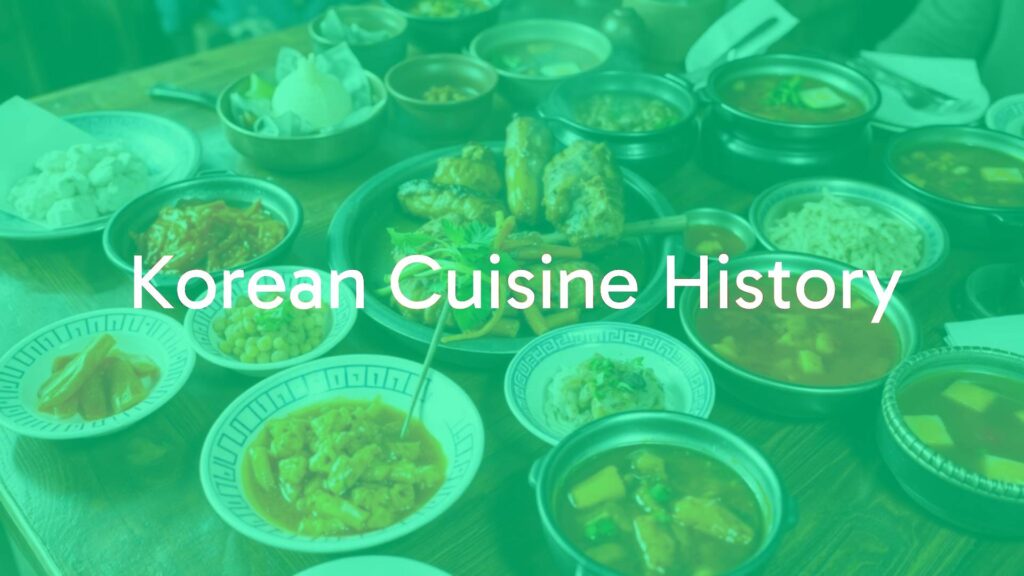
Korean cuisine, called “Hansik,” is known for much more than just great food. It reflects the traditions and history of Korea over hundreds of years. With bold tastes, a mix of ingredients, and cooking methods passed down through generations, Korean dishes have changed over time, influenced by the country’s culture and environment. From warming stews and pickled vegetables to seafood and barbecue, Korean food offers something for everyone. What makes it special is its deep connection to Korea’s land, climate, and important historical moments.

What Shaped Korean Cuisine?
Korean food developed through a combination of natural surroundings, farming progress, and contact with other cultures. Its history shows how people adjusted to their environment and life challenges. Over thousands of years, Korean cooking has grown into the unique and well-known cuisine recognized today.
Main Early Influences on Korean Food
The geography and climate of Korea had a huge impact. The peninsula’s cold winters and warm summers are similar to those of the north-central United States, while its mountains and valleys each offer different foods. Valleys provide rice, beans, and vegetables. Mountains give wild greens and mushrooms. Because of this, many areas have their own specialties. For example, wild ferns and roots are found in mountain areas, and southern regions focus on rice dishes like bibimbap.

People’s need to survive also shaped Korean food. Until the 1900s, most people lived in rural areas and relied on small farming and gathering wild food. This made Korean cuisine hearty, especially compared to other East Asian countries. To get through long, cold winters, Koreans used fermentation to preserve food, helping them store vegetables and other food for months. These habits ensured there was always safe and tasty food to eat, and they are still a big part of Korean cooking today.
How Did Staples Like Rice and Soybeans Develop?
Staple ingredients in Korean food come from farming traditions and local resources. In the Jeulmun pottery period (8000-1500 BCE), people hunted, fished, and did basic farming. The Mumun period (about 1500 BCE) brought more advanced farming, with millet, barley, wheat, beans, and rice grown, and hunting and fishing still important.
Rice became the main food over time. Although when and how rice arrived in Korea is still studied, proof exists of its use thousands of years ago. Koreans prefer short-grain rice, which shaped their taste. Soybeans-native to Korea and neighboring Manchuria-have been around for a long time, so foods like tofu, doenjang (soybean paste), and kanjang (soy sauce) became essential. Chili peppers are often thought to have come from Portuguese traders in the 1600s, but studies say milder, local Korean chilis have existed for millions of years. These local peppers are key for dishes like kimchi and gochujang, making Korean food stand out.

Important Historical Periods for Korean Food
Korean cooking has changed through each time period. From ancient kingdoms to modern times, new foods and methods have come and gone, but core parts have stayed the same.
Three Kingdoms Period (4th-7th Centuries)
During this time, the three main kingdoms-Goguryeo, Baekje, and Silla-shared and traded foods with each other and outsiders. New cooking methods and preserved foods like fermented, salted, and dried dishes became important. The royal courts helped create long-lasting recipes and customs.
Goryeo Dynasty (10th-14th Centuries)
The Goryeo era made big changes to Korean food. Korean barbecue (gogi-gui)-grilling meat at the table-became common. Bulgogi, another marinated meat dish, started then too. Foreign groups, especially from Mongolia and Central Asia, brought foods like beef and dairy. Noodles, dumplings, and soups such as seolleongtang (beef bone soup), galbitang (short rib soup), and naengmyeon (cold noodles) became part of everyday meals.
Joseon Dynasty (Late 1300s-1800s)
Confucian ideas, which value balance in life, also shaped food during the Joseon Dynasty. Meals mixed the five elements, tastes, and colors for health. Plant foods and fermentation-especially for kimchi and sauces-became even more important, and meals followed strict etiquette. The focus was on harmony, respect, and eating together.
Influence from Other Countries
China, Japan, and Mongolia left their mark on Korean food. Chinese ideas brought in noodles, dumplings, and stir-fry. Japan contributed fermented fish and seafood. The Mongols introduced beef, dairy, and more soups and noodles. Even during times of conflict, these new foods became part of Korean life, adding more variety.
Japanese Colonial Period (1910-1945)
Japanese rule brought Japanese food and cooking techniques into Korea. While Koreans kept their own dishes, they also adjusted to what was available, often because supplies were low. This period shows how Koreans kept their food identity strong even during hard times.
After the Division: North and South Korea
After 1945, North and South Korea developed different food habits. South Korea became known for blending new flavors and introducing dishes like Korean BBQ and bibimbap worldwide. North Korea kept to more traditional dishes like Pyongyang naengmyeon (cold noodles). These changes underline how politics and society can change food culture in important ways.

How Has Farming Changed Korean Food?
Traditional Korean meals depend on what can be grown and caught. The seasons control what’s available, so there is a close tie between food and nature.
Rice, Beans, and Grains in Korean Food
Crops like rice, barley, and millet have long been at the center of Korean meals. The word for steamed rice, “bap,” is a key part of every meal. Koreans ask “what do you eat with rice?” showing that side dishes (banchan) are just as important. Beans-especially soybeans-are crucial and are used for protein and taste, especially in pastes and sauces.
Chili Peppers and Chinese Cabbage
Chili peppers and Chinese cabbage are linked to the history of kimchi. Some believe hot peppers came to Korea from the West in the 1600s, but studies show local, milder peppers were already here. These helped flavor early kimchi. Chinese cabbage (baechu) also has a long history in Korea, used in making kimchi for centuries-likely before the 1400s. These foods are now main parts of Korean cuisine.
When Did Chili Peppers Become Essential?
Korean chili peppers, or kochu, were present long before European traders brought other varieties. They’re usually milder (600-1000 Scoville units) than foreign hot peppers. Seeds found in a Joseon-period mummy prove they were in use hundreds of years ago, and they became very important for gochujang and kimchi. Though new peppers came later from global trade, native chilis have had a big impact for thousands of years.
Soybean Products in Korea
Soybeans are an old and important crop for Korea. They have grown here for millions of years. Koreans use them to make fermented foods such as doenjang (soybean paste), kanjang (soy sauce), and gochujang (chili paste with soybeans). These are the main flavors in many meals. The method for making these condiments by fermenting soybeans helped preserve food when meat and dairy were rare. This creativity with soybeans sets Korean food apart from other East Asian cuisines.
Fermentation’s Role in Korean Food
Fermentation in Korea is more than a way to make food last; it is a tradition and a key part of taste and health in Korean cuisine. Born from practical needs, fermentation has become a core technique.
Kimchi: A Symbol of Korea
Kimchi, the tangy, spicy, pickled vegetable side dish, is everywhere in Korean meals. It was made to keep food edible during winter. Traditionally, families buried pots of kimchi to keep them cool or warm enough to ferment right. Making kimchi together (“kimjang”) was an important community activity. Kimchi comes in hundreds of varieties, and it’s so meaningful that it was sent to space with a Korean astronaut. Fermented kimchi is praised for its nutrients and probiotics that add to a healthy diet.

Essential Fermented Sauces: Jang
The jang family-kanjang (soy sauce), doenjang (soybean paste), and gochujang (chili paste)-gives Korean food its main taste. These sauces are made by letting soybeans ferment and break down over time, which adds a deep, savory flavor. For example, soybeans are cooked, dried, and made into meju bricks, then soaked in salty water to create doenjang and kanjang. Gochujang is a mix of chili, glutinous rice, and soybean paste. Each sauce is used daily in Korean cooking and is needed to make signature dishes taste right.
Fermentation for Storing Food
To keep food from spoiling during hard winters, Koreans learned to ferment what they grew. They used clay jars that let gases out but kept out water, helping food stay edible for months. Fermentation also changed the way food tasted and increased nutrients. For example, kimchi’s sourness comes from lactic acid made during fermentation. Jang sauces gain their strong flavors through the breakdown of bean proteins in the process. Fermentation shows how necessity led to longtime food traditions.
Korean Flavors and Cooking Methods
Korean dishes are known for their special mix of tastes: spicy, sweet, sour, and savory, often in the same dish. Cooking in Korea focuses on balance-not only in food, but also in presentation and sharing.
Spices and Seasonings
Balance in taste is a main feature of Korean cooking. Spices like garlic, ginger, green onion, and mild chili peppers help create colorful, flavorful food. “Yangnyom,” a seasoning mix with garlic, chili, ginger, sesame oil, and fermented sauces, is used in many dishes. The right saltiness, called “kan,” is important to make rice and side dishes taste perfect together.
Banchan: Side Dishes
Banchan means the small plates that fill the table during Korean meals. These include vegetable, tofu, seafood, and egg dishes, and nearly always kimchi. Everyone at the table shares them. Banchan bring color and variety, and eating many kinds of food in a meal is thought to be healthy. Restaurants usually refill banchan for free to show hospitality and support sharing at the table.

Rice, Noodles, and One-Pot Stews
Rice (“bap”) is at the center of every meal in Korea, often accompanied by noodles like naengmyeon (cold noodles) or japchae (sweet potato noodles). One-pot meals such as “jjigae” (stew) or “jeongol” (hot pot) mix meats and vegetables for warming, family-style dining. Kimchi jjigae and doenjang jjigae are common examples. This food is especially comforting in Korea’s cold seasons.
Eating Together
Eating is a shared experience in Korea. Main dishes and many side dishes go in the center of the table, and everyone helps themselves. Korean BBQ, where each person cooks meat at the table, is a popular social meal. These traditions encourage respect, friendship, and a strong sense of community during meals.
Modern Changes and Worldwide Popularity
Today, Korean food is known around the world, thanks to things like K-pop, dramas, and movies. People everywhere now enjoy Korean restaurants, BBQ, and foods like bibimbap and kimchi. Delivery apps and global restaurant chains have helped even more people try Korean flavors.
Korean Food Around the World
The popularity of Korean food has grown thanks to Korean pop culture (“Hallyu wave”). Dishes like kimchi, bulgogi, and bibimbap are served internationally and people enjoy the social aspect of BBQ and shared meals.
Changes in Dining Habits
In South Korea, eating habits have updated quickly due to urban living and new technology. While key dishes and basics remain, many people now enjoy fusion food (mixing Korean and other cuisines) and single-bowl meals like bibimbap. Restaurants may now serve just a few specialized dishes. Food delivery is also much more common. Despite changes, sharing and balance stay at the heart of Korean food.
Frequently Asked Questions about Korean Food History
Here are answers to some common questions about the history and main ideas behind Korean cuisine.
What was a Traditional Korean Meal Like?
Traditionally, a meal (“bap-sang”) centers on steamed rice with several side dishes (“banchan”) and a soup or stew (“kuk”). Side dishes make the meal balanced and interesting. A typical setup has rice, soup, a main dish (meat or fish), kimchi, and at least two or three other sides, all served to share. Food is meant to be balanced and colorful to represent health and harmony.
How Do Breakfast, Lunch, and Dinner Differ in Korea?
Breakfast, lunch, and dinner usually have the same kinds of food: rice, soup, kimchi, and some side dishes. Breakfast can include fried rice or kimchi stew, while lunch might be bibimbap or gimbap (rice rolls). Dinner often adds more meats and stews. Even as fast or Western-style meals appear, the idea of a balanced meal with many sides remains strong.
Is Korean Food Spicy?
Korean food often uses chili peppers and spicy sauces, but the heat is usually not extremely strong compared to foods from some other places. Local Korean chili peppers are mild to medium (600-1000 on the Scoville scale). Some dishes like buldak (spicy chicken) or tteokbokki are very spicy, but others, like bulgogi, japchae, or kimbap, are not spicy at all. Overall, the spiciness level varies, and many non-spicy options are always available.
What Are Classic Korean Dishes?
Classic Korean meals are built around rice, soup, and banchan, with kimchi as a mainstay. Important flavorings include gochujang (chili paste), doenjang (soybean paste), and kanjang (soy sauce). Some famous dishes are bibimbap (mixed rice with toppings and chili sauce), bulgogi (grilled marinated beef), and kimbap (rice and vegetables in seaweed rolls). Other staples include stews like kimchi jjigae and sundubu jjigae, and grilled meats like galbi (ribs). These dishes combine fresh ingredients, fermented seasonings, and shared eating practices to create meals that are filling and meaningful.
Summary Table: Key Influences on Korean Cuisine
| Period | Main Food Changes |
|---|---|
| Three Kingdoms | Cultural exchange, start of food preservation, royal dishes |
| Goryeo Dynasty | Korean BBQ, new noodles and soups, Mongol influence |
| Joseon Dynasty | Confucian meal balance, more fermentation and side dishes |
| Japanese Colonial | Adapted Japanese cooking, dealt with food shortages |
| Modern Era | Fusion cuisine, global spread with K-pop culture |
Core Ingredients in Korean Cooking
- Short-grain rice (“bap”)
- Soybeans and soybean products (tofu, doenjang, kanjang)
- Chinese cabbage (“baechu”)
- Local chili pepper (“kochu”)
- Garlic, ginger, green onions
Common Types of Korean Dishes
- Kimchi – fermented, spicy vegetables
- Banchan – small side dishes
- Gogi-gui – Korean BBQ (grilled meats)
- Jjigae – stews (like kimchi jjigae)
- Bibimbap – rice bowl with toppings
- Kimbap – seaweed rice rolls
- Naengmyeon – cold noodles
- Sundubu jjigae – soft tofu stew