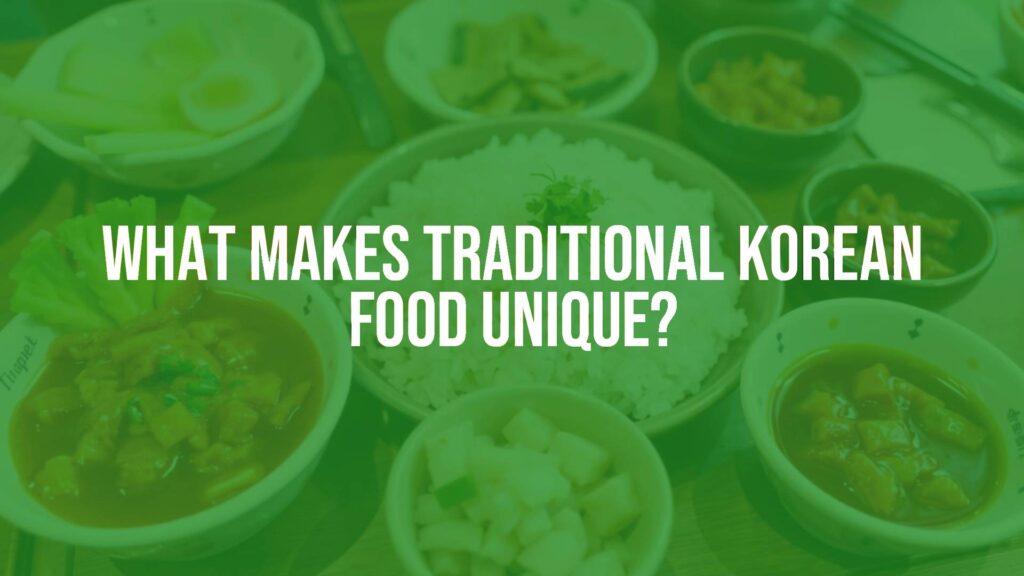
Traditional Korean food, called hansik, is more than just a meal-it brings together history, natural resources, and the idea that what you eat can help keep you healthy. Hansik is known for its balance in flavor, texture, and nutrition. It features a lot of fermented foods and meals are typically made up of a main dish like rice or noodles, plus a range of small side dishes. This meal setup is one reason why Korean food is different from many others around the world.
Main features of Korean food
- Meal Layout: Korean meals almost always include a main item (rice or noodles) and various side dishes (banchan), making meals feel like a shared buffet at every table.
- Variety: The list of recipes is long, from spicy chili pastes like gochujang to deep soybean pastes like doenjang, reflecting centuries of creativity in the kitchen.
- Fermentation: Foods are often fermented for long periods-kimchi is a prime example-giving dishes complex flavors and health benefits.

Regional differences in Korean food
The geography of Korea-mountains, fields, and coasts-has shaped what people eat in different areas. Coastal regions have more seafood, whether eaten raw, fried, or grilled. Areas away from the sea focus more on meats and wild plants. While every region has kimchi, how it’s made and the ingredients used can change a lot from place to place, giving each area its special twist on a classic dish.
Cultural and historical roots in Korean food
Korean cooking has always focused on both taste and health. The old saying “food and medicine are from the same source” is still important today. Ingredients with high nutritional value and health boosts-like ginseng-are common. Eating together is an old tradition and shows the community spirit found in Korean culture. Some well-loved dishes, like Budae jjigae (“Army Stew”), even come from hard times, mixing American foods after the Korean War with usual Korean ingredients.
What are the basic ingredients in traditional Korean cooking?
The special taste of Korean food starts with its local ingredients, many of which are mixed together with care to create strong, healthy flavors. Below is a summary of the main ingredients used:
| Ingredient Type | Examples | Main Uses |
|---|---|---|
| Grains & Noodles | White rice, multigrain rice (Japgokbap), sweet potato noodles, wheat noodles | Base of most meals (rice), main part in dishes like Japchae and Kalguksu |
| Fermented Foods | Kimchi, gochujang, doenjang, soy sauce (ganjang), ssamjang | Flavor and preserve food, main sources of taste and healthy bacteria |
| Vegetables & Meats | Cabbage, radish, spinach, wild greens, beef, pork, chicken, seafood | Used widely in side dishes, soups, stews, grilled BBQs |
| Spices & Seasonings | Gochugaru (chili powder), sesame oil, garlic, ginger, jeotgal (salted seafood) | Give dishes their bold flavors and heat |

How are typical Korean meals organized?
Eating together and balancing what’s on your plate are key ideas in Korean meals. Unlike Western meals, where courses come one after another, everything is served at once so you can taste and combine different foods as you like.
Standard Korean meal parts
- A bowl of rice (bap), plus a soup or stew (guk or jjigae), are in the center of the table.
- Surrounding these are many side dishes (banchan)-these can range from a few to more than a dozen, depending on the meal.
Banchan (side dishes): The heart of the table
Banchan are small side dishes, often pickled or fermented, that make Korean meals colorful and exciting. Kimchi is the most famous, but other common options include seasoned greens, pancakes (jeon), and little servings of meat or seafood. Banchan are usually refillable, and having such variety helps keep meals interesting and nutritious.

Table customs and etiquette
- Wait until the oldest person starts eating before you begin.
- Rice and soup bowls can be lifted, but not the banchan dishes.
- Use both chopsticks and a spoon; use the spoon mostly for rice and soups.
- It’s normal to share food and serve each other at the table.
- Lettuce or cabbage leaves are often used to wrap meat and other fillings-eat the whole wrap in one bite.
Well-known traditional Korean dishes
Korean cuisine is broad and has something for everyone. Here are some important dishes you’ll find on most traditional menus:
- Kimchi: Fermented napa cabbage or radish, flavored with chili, garlic, and seafood seasonings. Different types exist across regions.
- Bibimbap: A rice bowl topped with mixed vegetables, beef, and an egg, usually served with spicy gochujang. Sometimes served in a hot stone bowl for a crispy rice layer.
- Bulgogi: Thinly sliced beef (or pork), marinated in soy sauce, pear, garlic, and grilled or stir-fried. Usually eaten wrapped in lettuce with sauces and sides.
- Galbi: Marinated short ribs, grilled on a hot fire, often served in LA-style bone-in strips. Eaten with different side dishes.
- Japchae: Sweet potato noodles stir-fried with veggies and beef. Known for its chewy, springy noodles and sweet-savory taste.
- Tteokbokki: Chewy rice cakes cooked in a spicy, sweet sauce, often with fish cakes. Popular as street food.
- Samgyetang: Chicken soup with ginseng, garlic, and jujube. A whole young chicken is stuffed and boiled to make a nourishing, filling meal.
- Jjigae and Guk: Stews (jjigae) and soups (guk) are main dishes-like Kimchi Jjigae (kimchi stew), Doenjang Jjigae (soybean paste stew), and oxtail or rib soups like Seolleongtang and Galbi Tang.
- Jeon: Savory pancakes (rice flour-based) filled with green onions, seafood, or kimchi, cut into small pieces for dipping in soy sauce.
- Gimbap: Seaweed-wrapped rice rolls filled with cooked items like vegetables, egg, tuna, or beef. Makes a great snack or quick meal.

Korean food choices: Meat, seafood, and vegetarian options
Korean food can easily work for almost any diet, from meat lovers to vegetarians and everyone in between:
- Barbecue & Meat Dishes: Tabletop grilling is popular. Besides Bulgogi and Galbi, Samgyeopsal (pork belly) and Bossam (boiled pork wraps) are common. Dak-galbi (spicy stir-fried chicken) is another hearty favorite.
- Seafood: The ocean is never far away in Korea, so fish-grilled, fried, raw, and used in soups-shows up often. Favorites include grilled mackerel and Maeuntang (spicy fish stew). Fresh sliced fish (Hoe) is common in port cities.
- Vegetarian & Temple Food: Buddhist temples stick to vegetable, grain, and fermented foods-no meat and often no strong-tasting roots. Many banchan are also vegetarian, and dishes like Japchae or soft tofu stew (Sundubu-jjigae) can be made plant-based.
Traditional Korean food and health
Koreans have long believed food should help keep you well. Many dishes are built with health and balance in mind.
The power of fermented foods
Fermentation helps develop deep flavors and fills foods with friendly bacteria (probiotics). Kimchi, doenjang, and gochujang, all made this way, are good for stomach health and can help with digestion.
Nutritional benefits
Typical Korean meals, with their mix of rice, soup, vegetables, and side dishes, offer a good amount of protein, fiber, vitamins, and minerals. Lots of vegetables are used, which boosts nutrition and variety. Dishes like Bibimbap or Samgyetang (chicken and ginseng soup) are known for being complete meals with lots of health benefits.
Balance in taste and nutrition
Korean cooking aims for both good taste and balanced meals. Foods are usually not too fatty or sweet, and natural seasonings like chili paste, garlic, or sesame oil add both flavor and health benefits. The spicy taste in foods can be good for your metabolism, and high vegetable content means lots of antioxidants.

Advice for enjoying traditional Korean food
Exploring Korean food is fun. Here’s how to make the most of it, whether you’re new to the cuisine or looking to get more out of your meals:
- Dining Etiquette: Let the oldest diner start. Use a spoon for rice and soup and chopsticks for the rest. Don’t be afraid to eat lettuce wraps in one big bite-even if your hands get messy.
- How to Build a Balanced Meal: Mix grilled meats with fresh greens, tangy kimchi, and raw garlic for a mouthful of flavors. Use rice to balance spicy stews. Dipping pancakes in soy sauce and eating them with kimchi is a classic combo.
- Ordering Tips: Ask staff for their favorites-they have great suggestions. Many dishes are for sharing (not per person). Banchan come with your meal and can usually be refilled without charge. Let the kitchen know if you want less spicy food. Keep an open mind and try new things!
Where to eat real traditional Korean food
Korea is full of places to try classic dishes, but you can also find authentic flavors in restaurants worldwide.
Top places in Korea for local food
- Seoul’s Myeongdong and Insadong areas are famous for street food-Tteokbokki, Hotteok (sweet pancakes), and much more.
- Chuncheon is the home of Dak-galbi (spicy chicken stir-fry).
- Jeonju is well-known for its Bibimbap and is highlighted by UNESCO for its food scene.
- Traditional markets like Gwangjang Market in Seoul let you try many dishes in one stop and are easy on the wallet.
Well-known restaurants and food markets
- 853 Korean BBQ: For top Korean BBQ in Seoul.
- Guldari Shikdang: A go-to for Kimchi Jjigae.
- Tteokbokki Town: Perfect for rice cake fans.
- Nongri Bapsang: Famous for Bibimbap.
- JangAn Samgyetang: Great place for chicken soup with ginseng.
- Jeondae Gamdaek: Known for their pancakes (Jeon).
- Big food markets offer countless options and let you try a variety of tastes all in one place.
Making Korean food at home: Resources
- “Maangchi’s Big Book Of Korean Cooking” covers lots of recipes from BBQ to Bibimbap.
- “The Korean Vegan” by Joanne Lee Molinaro features plant-based recipes.
- “Wookwan’s Korean Temple Food” is the best guide for learning about plant-based temple meals.
- Online videos from chefs like Baek Jong Won give easy-to-follow tips and recipes for everything from tteokbokki to barbecue.
- For the real taste, use Korean kitchen tools like the stone bowl (dolsot) for hot stews and crispy Bibimbap.