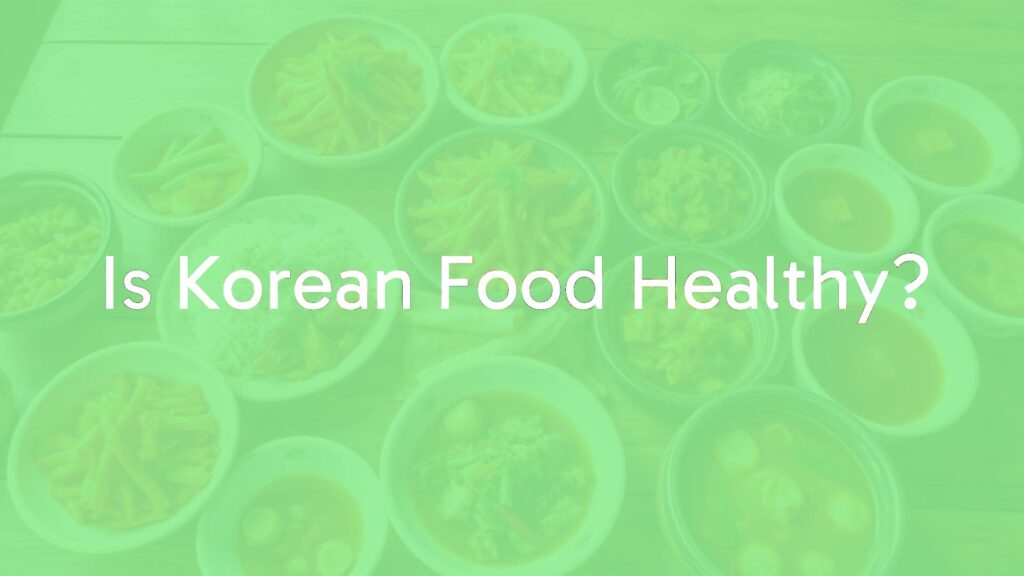
Yes, for the most part, Korean food is seen as very healthy. The cuisine is well-known for its bright flavors and a variety of fresh ingredients, most of which are good for your health. Korean dishes usually focus on vegetables, lean meats, and fermented foods that help your gut. While some meals are more of a treat, most Korean recipes fit nicely with a balanced way of eating.
Many people believe Korean food is healthy, and research supports this idea. Many articles and blogs talk about the healthiness of Korean cuisine. Traditionally, Korean food, sometimes called the “K-diet,” aims to nourish and heal, not just fill you up. These ideas have been a big part of Korean culture for thousands of years. It’s about taking care of the whole body, not just eating to stay full.
Common Beliefs and Scientific Viewpoints
People often think Korean food is good for you because of what goes into each meal. Meals will often have lots of side dishes (banchan), soups (kuk), and kimchi. These and the staple rice and meat or fish come together in a typical Korean meal (bapsang). Compared to many Western foods, Korean food uses more vegetables and less oil, so it’s usually lower in calories and feels lighter, but is still filling. Many non-Koreans appreciate Korean food for this reason.

Studies show that traditional Korean meals may lower your chance for metabolic syndrome-which includes heart disease, diabetes, and stroke. The way Korean food is made and which ingredients it uses are a big part of what makes it different and healthy.
Why Traditional Korean Meals Are Healthy
Traditional Korean meals are based around rice, with many vegetables, beans, seafood, and just a little bit of red meat. Fermented foods are common too, so you get plenty of fiber, vitamins, and helpful bacteria. The cooking styles-blanching, boiling, pickling, and grilling-help keep the fat low, and nutrients stay in the food. Unlike some other cuisines, deep-frying and baking are not common in older Korean recipes, which helps keep meals lighter.
Korean eating habits are a lot like other healthy diets, such as the Mediterranean diet. Both focus on plants, but the K-diet uses more carbohydrates (mainly from rice), while Mediterranean food uses more healthy fats (like olive oil). In both cases, eating plenty of vegetables, fish, and fewer meats means less saturated fat overall.
What Healthy Foods Are Used in Korean Cooking?
Korean food is full of ingredients that are good for you. There are lots of different foods from land and sea, and each one brings different nutrients to the table.
The Role of Vegetables
Korean cooking uses a lot of vegetables! They aren’t just an extra on the side-they’re a big part of almost every meal. Many side dishes (banchan) are made from vegetables, often flavored with fermented sauces. This means you get plenty of vitamins, minerals, and fiber most of the time. Some common veggies in Korean food are spinach, cabbage, bean sprouts, radish, burdock root, and squash. Most are steamed, quickly stir-fried with little oil, or simply seasoned, which helps keep their nutrients intact.
Fermented Foods Like Kimchi
No talk about Korean food is complete without mentioning kimchi. Kimchi is cabbage that’s been fermented (pickled) with salt, garlic, ginger, and red pepper flakes. It’s very healthy because it has lots of “good” bacteria (probiotics) for your gut. Kimchi is also low-calorie and high in fiber, vitamins, and minerals. Other fermented foods in Korean cooking include soybean paste (doenjang), soy sauce (ganjang), and hot pepper paste (gochujang). These bring flavor and more health perks, thanks to fermentation.
Lean Proteins, Tofu, and Seafood
Korean dishes use many protein sources, but often focus on lean meats, tofu, and seafood rather than making meat the main part of the meal. Tofu appears in lots of stews, soups, and mixed rice dishes. Fish and other seafood are also popular and are usually grilled or stir-fried. These choices offer protein and help keep cholesterol and fat lower compared to diets with more fatty meats.
Whole Grains: Rice and Barley
Rice (bap) is almost always part of a Korean meal. Even though white rice is used a lot, Koreans sometimes add whole grains like barley. These give you longer-lasting energy and important nutrients. While rice-based meals have more carbohydrates than meals based on bread or pasta, the effect on health is generally positive when eaten along with lots of vegetables and lean proteins.
The Value of Seaweed
Seaweed is a common part of Korean cuisine. You’ll find it in soups, as wrapping for kimbap (a roll similar to sushi), and as a side dish. It’s rich in iodine, minerals, and vitamins and adds both taste and nutrients that may be missing from land-based foods.

What Health Benefits Does Korean Food Offer?
Korean food brings many health benefits, thanks to both the ingredients used and the ways meals are prepared.
Fermented Foods and Gut Health
One of the biggest health positives comes from all the fermented foods. Kimchi and similar dishes are high in probiotics, which are “good” bacteria for your gut. Having a healthy gut can help with digestion, immunity, and even your mood. Eating fermented foods like kimchi, soybean paste, or pepper paste gives your body a steady supply of these beneficial bacteria.
Good for Your Heart
Because traditional Korean cooking uses less saturated fat (from lean meats, tofu, and lots of fish/seafood) and generally shies away from deep-frying, it can help support heart health. Most vegetable, seafood, and tofu dishes give you the nutrients you need, without too much unhealthy fat. Studies have shown that a Korean-style diet may lower your risk for heart and blood vessel problems.
High in Fiber and Antioxidants
Korean meals feature lots of vegetables, grains, and beans. This means plenty of fiber, which is good for digestion, blood sugar control, and keeping you full. On top of fiber, many common Korean ingredients have antioxidants. For example, the spicy red pepper paste used in many dishes contains capsaicin, which may help your body fight off damage and support metabolism.

May Help the Immune System
Fermented foods like kimchi help your immune system because a healthy gut is tied to better overall defense against sickness. The garlic, ginger, and vegetables often found in Korean dishes all include vitamins and plant compounds known to help the body fight illness. Some studies even think high fermented food consumption in East Asia may have helped with disease resistance, like during the COVID-19 pandemic.
What Are the Healthiest Korean Dishes and Ingredients?
Looking through a Korean menu, you’ll find plenty of choices that are good for you. Here are some of the healthiest options:
- Bibimbap: This is a rice bowl topped with mixed vegetables, a bit of beef or tofu, and a fried egg. It’s easy to customize, very balanced, and full of nutrients.
- Kimchi and Other Fermented Sides: Kimchi supports gut health and can help manage weight. Other fermented foods, like doenjang and gochujang, offer similar benefits and loads of flavor.
- Soups and Stews: Brothy meals like Soondubu jjigae (soft tofu stew) are filling, high in protein, and not too high in fat. They’re usually light on oil, so get lots of vegetables and lean meat or tofu in your bowl.
- Grilled Fish and Seafood: Seafood dishes such as grilled fish or spicy octopus stir-fry (Nakji Bokkeum) offer lean protein and healthy fats without frying.
- Vegetable Side Dishes (Banchan): Examples are seasoned spinach, bean sprouts, blanched zucchini, or steamed eggplant. They provide lots of vitamins, minerals, and fiber with low calories.
What Health Risks or Downsides Does Korean Food Have?
Although Korean food is mostly healthy, there are some things to watch out for:
High Salt Levels
Many Korean seasonings (like soy sauce, gochujang, and doenjang) are salty. Kimchi and other fermented foods also have lots of salt. Brothy soups and stews can be high in salt, too. People in Korea often eat more than the recommended amount of sodium. A diet high in salt can lead to high blood pressure and increase your risk of heart disease and kidney issues, and may make stomach cancer more likely. People with high blood pressure need to pay particular attention to this.
Fried Foods
Although traditional Korean cooking uses healthy methods like steaming or grilling, fried foods like Korean fried chicken have become popular. These dishes are high in fats and may have sugary, salty coatings. Eating them too often can increase calories and fat-better to have these rarely.
Hidden Sugars
Some Korean sauces and marinades (like those used in bulgogi or fried chicken) can have more sugar than you expect. If you’re trying to control blood sugar or watch your calories, it’s good to be aware of this and, if cooking at home, reduce the sugar, or use less sweet sauce when ordering out.
How Can You Make Korean Food Even Healthier?
You don’t have to give up flavor to eat healthy Korean food. With a few easy changes, you can enjoy your favorite dishes in a healthier way, whether eating out or making meals at home.
Lowering Sodium
- Use less soy sauce or gochujang when cooking-try low-sodium options, or dilute sauces with a bit of water.
- Add more flavor with garlic, ginger, or lemon, instead of relying only on salt.
- If eating out, ask for less salt or pick dishes without much sauce.
- Remember, kimchi and soups already have a lot of salt, so balance your meal with less salty choices elsewhere.
Picking Healthier Cooking Styles
- Choose grilled, boiled, or steamed dishes instead of fried ones.
- When stir-frying, use just enough oil to coat your pan-keep it light.
- Save foods like fried chicken for special occasions.
Eat More Vegetables
- Load up your plate with vegetable sides (banchan).
- In restaurants, try to fill at least half your plate with vegetables.
- At home, use lots of veggies in your soups, stir-fries, and rice dishes.
Use Less Oil and Sugar
- Keep a light touch with oil, especially for things like pancakes or stir-frys.
- Try reducing sugar in marinades and sauces, or use a natural sweetener.
- Sesame oil is flavorful but high in calories, so use it sparingly.
Control Portions
- Family-style meals can make it easy to overeat, so try to balance your portions: half vegetables, a quarter protein, and a smaller serving of rice or noodles.
- Eat slowly and pay attention to when you feel full.
- Choose tofu or seafood over fattier meats if watching your weight.

Is Korean Food a Good Choice for a Healthy Diet?
Yes! Adding Korean dishes to your regular meals is a great way to eat more healthily. Korean food often matches what modern nutritionists recommend: lots of vegetables and fermented foods, plenty of whole foods, and light seasoning techniques.
Korean Food in a Balanced Diet
Korean meals are already built for balance-a typical plate has rice, some meat/tofu/fish, and several kinds of vegetable sides. Most Korean cooking keeps added fat low, thanks to healthy techniques like grilling, steaming, or fermenting. Fermented foods like kimchi bring gut-healthy bacteria, and vegetables offer vitamins and fiber. Because of all the veggies and low oil, a Korean meal usually has fewer calories than a typical Western meal, making it a good way to manage weight or simply eat better overall.
Easy to Adjust for Your Needs
Korean food works for many different diets. If you don’t eat meat, it’s easy to swap tofu or extra vegetables into most recipes. If salt is a concern, you can use less sauce or dilute it. If you need to monitor your carbs, just limit rice portions and focus on the variety of veggie sides. Korean cuisine’s range of vegetables, lean proteins, and fermented foods means you can mix and match to fit your needs, making it a healthy choice for almost anyone.
| Healthier Choices | Foods to Eat Sparingly |
|---|---|
| Bibimbap, kimchi, grilled fish, vegetable soups, steamed eggplant banchan | Korean fried chicken, salty soups, sweetened marinades, deep-fried jeon |